

In the bustling world of construction, selecting the right tools and components is crucial for ensuring safety, efficiency, and cost-effectiveness. One such critical component in formwork systems is the H20 beam forkhead. With a variety of options available in the market, choosing the best H20 beam forkhead for your specific needs can be challenging. This article aims to guide you through the process, helping you understand the essential aspects of H20 beam forkheads, from basic features to advanced customization options.
Understanding H20 Beam Forkheads: Importance and Applications
● Introduction to H20 Beam Forkheads
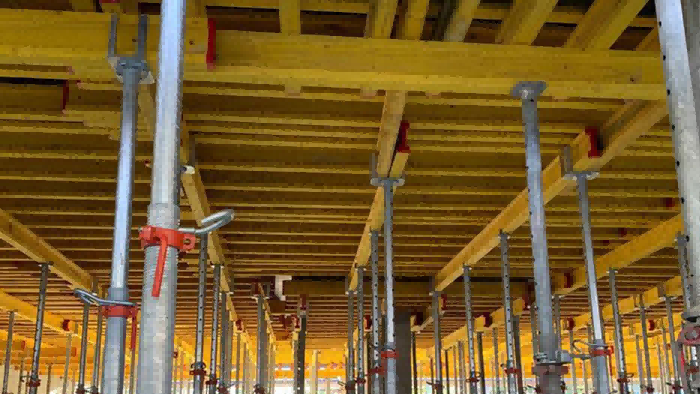
H20 beam forkheads are essential components used in formwork systems to hold beams in place securely. They play a vital role in supporting wet concrete during the pouring and curing processes, ensuring that the formwork structures remain stable and intact. These connectors are designed to fit atop steel props, accommodating H20 timber beams at precise right angles. This setup creates robust junction points that are crucial for the integrity and stability of any construction project.
● Common Applications in Construction
H20 beam forkheads are predominantly used in large-scale construction projects, including commercial buildings, bridges, tunnels, and residential complexes. Their primary function is to provide a reliable connection between formwork beams, making them indispensable in projects where concrete stability is of utmost importance. Furthermore, their versatility allows them to adapt to various formwork systems, thus expanding their applicability in different construction scenarios.
Key Features of a Quality Forkhead
● Material Quality and Durability
The choice of material is a fundamental factor in determining the quality of an H20 beam forkhead. High-strength steel is commonly used due to its durability and load-bearing capacity. Investing in a forkhead crafted from premium materials ensures that it can withstand the rigors of construction work and maintain its integrity over time, reducing the risk of accidents and structural failures.
● Design and Structural Integrity
A well-designed H20 beam forkhead should offer enhanced precision in achieving accurate angles and dimensions. This precision is crucial for constructing formwork structures that meet specific project requirements. Additionally, the structural integrity of the design ensures that the forkhead can accommodate the necessary weight and stress without compromising safety or performance.
Size and Compatibility Considerations
● Standard Sizes Available in the Market
When selecting an H20 beam forkhead, it is essential to consider the size and compatibility with your existing formwork system. Manufacturers typically offer a range of standard sizes to suit different project needs. For example, a typical forkhead might have dimensions of 200mm in height, 80mm in width, and 230mm in length, with a weight range of 3.7 to 4kg.
● Compatibility with Different Beam Types
Compatibility with various beam types is another crucial consideration. While most forkheads are designed to fit standard H20 beams, some projects may require customization to accommodate different beam profiles. Ensuring that the forkhead is compatible with your specific beam type will help in achieving a stable and secure connection.
Material Options: Choosing the Right Forkhead Material
● Comparison of Steel and Other Materials
Steel is the most common material used in the manufacturing of H20 beam forkheads due to its exceptional strength and durability. However, other materials such as aluminum or composite alloys may also be used for specialized applications. The choice of material should align with the environmental conditions and load-bearing needs of the project.
● Importance of Corrosion Resistance
Corrosion resistance is a vital factor in prolonging the lifespan of forkheads, especially in environments exposed to moisture or chemicals. Opting for materials with inherent corrosion resistance or those treated with protective coatings can prevent rust and degradation, ensuring the reliability and durability of the forkhead throughout the construction process.
Surface Treatments for Enhanced Longevity
● Overview of Common Surface Treatments
Surface treatments such as hot-dip galvanization, zinc plating, or powder spraying can significantly enhance the longevity of an H20 beam forkhead. These treatments create a protective barrier that shields the metal from environmental elements that may cause wear and tear or corrosion.
● Benefits of Galvanization and Coatings
Galvanization is a popular choice for adding a layer of corrosion protection, while coatings like powder spraying provide an additional surface finish that can improve both the aesthetics and durability of the forkhead. Such treatments are essential for maintaining the structural integrity of the forkhead over time, especially in harsh construction environments.
Customization Options to Suit Your Project Needs
● Tailoring Sizes and Designs
Customization is a valuable option for projects with unique requirements. Many manufacturers offer the possibility to tailor the size and design of H20 beam forkheads to better suit specific formwork systems and beam types. This flexibility ensures that the forkhead can meet the particular demands of any construction project, enhancing overall effectiveness.
● Adding Logos or Branding for Identification
In addition to functional customizations, companies can also opt to add logos or branding to forkheads. This not only aids in easy identification on construction sites but also promotes brand visibility. Custom branding options add a professional touch, reinforcing a company's identity in the industry.
Stability and Safety: Ensuring Reliable Formwork Systems
● Importance of Connector Stability
The stability provided by an H20 beam forkhead is crucial for ensuring the safety of formwork systems. A stable connection prevents movement and shifts during concrete pouring, reducing the risk of accidents or structural failures. Choosing a forkhead that prioritizes stability is essential for maintaining safety standards on the construction site.
● Tips for Maintaining Formwork Safety
To ensure the safe operation of formwork systems, it is critical to regularly inspect forkheads and other components for signs of wear or damage. Proper installation, in which beams are snugly fitted into the forkhead openings, will also contribute to maintaining the structural integrity of the system. Following manufacturer guidelines and industry best practices is essential for optimizing safety.
Installation Guide: Steps to Properly Fit a Forkhead
● Attaching Forkheads to Beams Securely
The installation of an H20 beam forkhead involves attaching it securely to the ends of formwork beams. This process requires careful alignment to ensure that the beams are fitted snugly into the forkhead's openings, creating a stable junction.
● Completing the Formwork Structure
Once the forkheads are attached, additional formwork components such as vertical posts and cross-braces can be added to complete the structure. This comprehensive setup ensures that the formwork can adequately support the concrete during the curing process, minimizing risks of shifts or collapses.
Cost Considerations and Budgeting for Forkheads
● Price Range Analysis and Quality Correlation
When budgeting for H20 beam forkheads, it is essential to balance cost with quality. While it may be tempting to opt for the least expensive option, investing in a higher-quality forkhead can yield long-term savings by reducing the need for replacements and minimizing construction delays caused by component failures.
● Long-term Savings from Durable Options
Durable forkheads crafted from high-quality materials and treated with protective coatings tend to have a longer lifespan, which translates to cost savings over time. Evaluating the total cost of ownership, including maintenance and replacement costs, can help in making an informed decision that aligns with the project's budgetary constraints.
Choosing a Supplier: Factors to Consider
● Evaluating Supplier Reputation and Reliability
Selecting a reputable supplier is critical for ensuring the quality and reliability of H20 beam forkheads. Factors such as industry experience, customer reviews, and the range of products offered can provide insight into a supplier's reputation.
● Comparing Delivery Times and Customer Service
In addition to product quality, consider the supplier's customer service and delivery timelines. Reliable delivery ensures that the project timeline is not disrupted, while effective customer service can provide invaluable support and guidance in selecting the right forkhead for your needs.
About Kosun
Hunan Kosun Metal Products Co., Ltd. is a leading scaffolding company with design, production, sales, and logistics capabilities in China. We focus on providing customers with safe, reliable, and innovative scaffolding solutions. With over 15 years’ experience in the scaffolding industry, we have many customers from Europe, South East Asia, North America, South America, Australia, New Zealand, and the Middle East. Our products include scaffolding tubes, scaffolding couplers, steel props, and a wide range of formwork accessories such as forkheads. As an experienced OEM manufacturer, Kosun is committed to quality and customer satisfaction, providing high-quality scaffolding products globally.
Post time: 2025-02-18 18:40:02