

Introduction
Steel tube scaffolding is an essential component in the construction industry, providing safe and efficient access to building sites and facilitating various construction activities. The right selection and implementation of scaffolding can significantly impact the success of a project. In this comprehensive article, we will explore the , including aspects such as material selection, design standards, structural integrity, and more. We will also discuss the role of custom steel tube scaffolding and the importance of partnering with a reputable steel tube scaffolding manufacturer, factory, and supplier for optimal results.
Material Selection and Properties
● Importance of High-Quality Materials
The foundation of any robust scaffolding system begins with the selection of high-quality materials. Steel tube scaffolding is preferred due to its strength, durability, and ability to withstand various environmental conditions. Best steel tube scaffolding systems are manufactured using premium-grade steel that meets industry standards, ensuring safety and reliability in construction projects.
● Common Materials Used in Scaffolding
The primary material used in steel tube scaffolding is often carbon steel or galvanized steel. These materials are chosen for their resistance to corrosion, tensile strength, and ability to be formed into precise dimensions required for scaffolding components. Custom steel tube scaffolding solutions may incorporate different materials or alloys based on specific project requirements.
Adhering to Design Standards
● International vs. National Standards
Adherence to design standards is crucial for the safe deployment of scaffolding systems. Both international and national standards provide guidelines that ensure scaffolding is constructed and utilized safely. Best steel tube scaffolding manufacturers design their products to comply with standards such as OSHA, ANSI, and ISO, which dictate load-bearing capacities, assembly procedures, and safety requirements.
● Guidelines for Load-Bearing and Wind Resistance
Designing scaffolding to support specific loads and withstand environmental factors such as wind is essential. The load-bearing capacity is determined by factors including the type of work being performed, the number of workers, and the weight of materials on the scaffolding. Wind resistance is also critical, as scaffolding must remain stable in adverse weather conditions. Manufacturers ensure their products meet these criteria through rigorous testing and adherence to engineering standards.
Dimensions and Tolerances in Design
● Ensuring Precise Component Fit
Accuracy in dimensions and tolerances is vital for the safe assembly and disassembly of scaffolding systems. Components must fit together seamlessly to maintain structural integrity and prevent accidents. Best practices in the industry involve precise machining and quality control checks to ensure each component meets the required specifications.
● Impact on Stability and Assembly
Precise dimensions contribute to the overall stability of the scaffolding system. Any deviations in size or fit can compromise the system's safety and efficiency. The best steel tube scaffolding suppliers provide components that are easy to assemble and disassemble, reducing construction time and costs while maintaining safety standards.
Efficient Coupling Systems
● Types of Couplers Used
Couplers are critical in connecting scaffolding tubes to form a stable structure. There are several types of couplers, including right-angle couplers, swivel couplers, and sleeve couplers. Each type serves a specific purpose and contributes to the system's overall stability and flexibility. Selecting the appropriate coupler is essential for custom steel tube scaffolding solutions that meet unique project requirements.
● Importance of Secure Connections
Secure connections are imperative to maintaining the scaffolding's structural integrity. High-quality couplers ensure that components remain securely connected, even under stress. Scaffolding manufacturers rigorously test couplers to ensure they meet load-bearing and safety standards.
Ensuring Structural Integrity
● Maintaining Stability Under Load
Structural integrity is a cornerstone of scaffolding safety. The design must account for various loads, including live loads (workers and materials) and dead loads (the weight of the scaffolding itself). Manufacturers conduct detailed analyses to ensure their products can withstand these forces without compromising safety or performance.
● Vertical and Lateral Stability Considerations
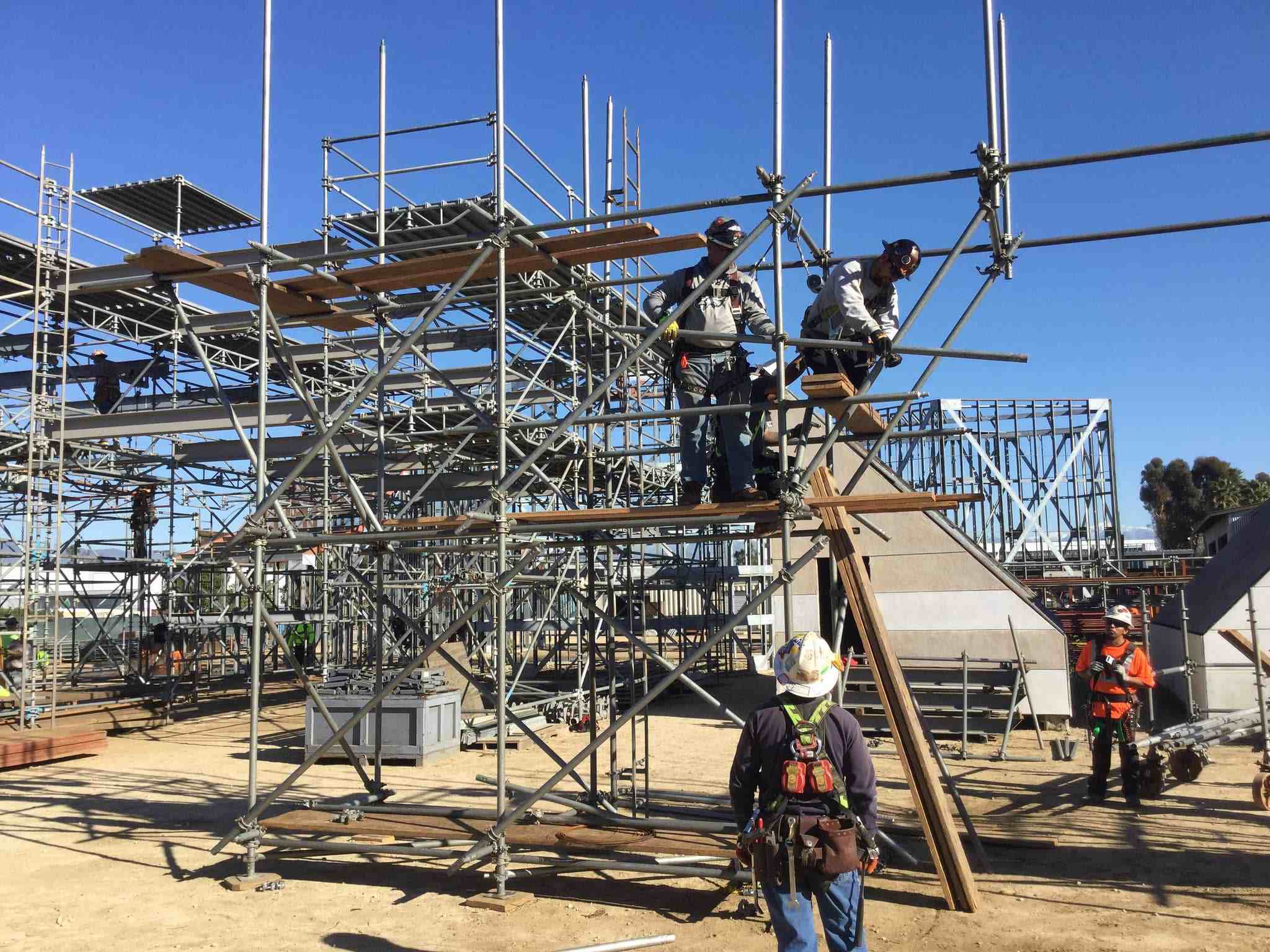
Vertical and lateral stability are crucial for preventing scaffolding collapse. Steel tube scaffolding systems are designed to distribute loads evenly across the structure, minimizing the risk of tipping or buckling. Manufacturers also incorporate features such as diagonal bracing and tie-in arrangements to enhance stability.
Ease of Assembly and Disassembly
● Modular Components for Efficiency
Modular design in scaffolding allows for quick and easy assembly and disassembly, which is essential for meeting project timelines. Best steel tube scaffolding systems feature standardized components that can be easily interchanged and adapted to different project configurations.
● Reducing Labor Costs Through Design
Efficient design not only enhances safety but also reduces labor costs. Scaffolding manufacturers focus on creating systems that require minimal tools and expertise to set up, allowing construction teams to focus on other critical tasks and improve overall project efficiency.
Incorporating Security Features
● Guardrails and Fall Prevention
Safety is paramount in any scaffolding project. Guardrails and fall prevention systems are integral components that protect workers from potential falls. Steel tube scaffolding suppliers provide comprehensive solutions that include these features, ensuring compliance with safety regulations and protecting workers on the job.
● Compliance with Safety Regulations
Compliance with safety regulations is non-negotiable in scaffolding projects. Manufacturers design their products to meet stringent safety standards, and regular inspections ensure continued compliance. By choosing a reputable steel tube scaffolding factory, project managers can be confident in the safety and integrity of their scaffolding systems.
Anchorage and Foundation Requirements
● Importance of Secure Anchoring
The stability of a scaffolding system largely depends on its anchorage. Secure anchoring ensures that the scaffolding remains stable under various conditions, including high winds and uneven ground surfaces. Manufacturers provide detailed guidelines for proper anchorage based on project-specific requirements.
● Designing Foundations to Handle Loads
The foundation of the scaffolding system must be capable of supporting all loads imposed by the structure and any additional forces. Steel tube scaffolding manufacturers conduct thorough assessments to determine the appropriate foundation design, ensuring stability and safety throughout the project duration.
System Compatibility and Flexibility
● Integration with Existing Scaffolding Systems
Compatibility with existing scaffolding systems is often a critical consideration for construction projects. Custom steel tube scaffolding solutions can be designed to integrate seamlessly with current systems, providing flexibility and cost savings. Manufacturers offer a range of products and accessories to accommodate diverse project needs.
● Meeting Diverse Project Requirements
Every construction project is unique, with specific requirements for scaffolding design and functionality. The best steel tube scaffolding supplier will work closely with project managers to assess these needs and provide tailored solutions that ensure safety, efficiency, and cost-effectiveness.
Routine Inspection and Maintenance
● Checking for Corrosion and Damage
Regular inspection and maintenance are essential to extending the lifespan of scaffolding systems and ensuring ongoing safety. Inspections should focus on detecting signs of corrosion, damage, or wear that could compromise the system's integrity. Manufacturers often provide guidelines and recommendations for routine maintenance procedures.
● Regular Maintenance for Safety and Functionality
Maintenance is not only about addressing existing issues but also about preventative measures. Steel tube scaffolding factories emphasize the importance of regular maintenance to prevent potential hazards and ensure the system remains in optimal condition throughout its use.
Conclusion
The are extensive and multifaceted, encompassing material selection, design standards, structural considerations, and safety features. Partnering with a reputable steel tube scaffolding manufacturer, factory, and supplier ensures that all these aspects are addressed comprehensively, resulting in a safe and efficient scaffolding system.
Hunan Kosun Metal Products Co., Ltd. is a leading scaffolding company in China, offering design, production, sales, and logistics services. With over 15 years of experience, Kosun provides customers worldwide with safe and innovative scaffolding solutions. The company's extensive product range includes scaffolding tubes, couplers, steel props, and various system solutions, all manufactured using high-quality materials and rigorous quality control. Kosun is committed to excellence and customer satisfaction, making it a trusted partner in engineering projects globally.
Post time: 2025-03-11 12:05:06