

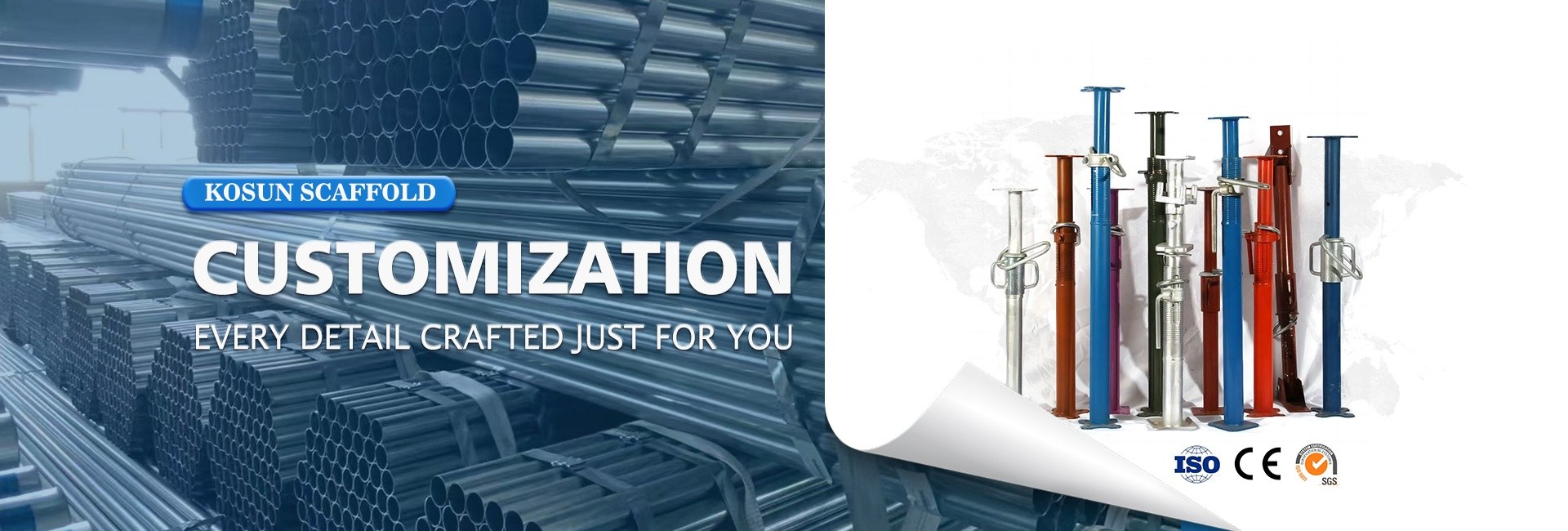
Trying to predict the 2026 steel prop tripod market feels like guessing lottery numbers with a bent tape measure—prices wobble, demand shifts, and your project budget hides in the corner, quietly sobbing.
To calm the chaos, use structured market data, compare long‑term price trends, and plan flexible contracts; start with the latest steel outlook from the World Steel Association here: World Steel in Figures.
1. 📈 Global construction recovery and its impact on steel prop tripod demand
By 2026, global construction recovery will keep steel prop tripod demand firm, led by housing upgrades, transport projects, and industrial plants in both mature and emerging markets.
Contractors will favor durable, reusable systems that reduce on‑site labor and speed formwork cycles, driving steady orders for adjustable tripods across rental fleets and direct buyers.
1.1 Public infrastructure pipelines
Governments plan roads, bridges, metros, and airports to support growth and urbanization. These long pipelines create stable demand for tripods used with shoring and slab props.
- High bridge and viaduct work
- Deep station and tunnel pours
- Fast‑track airport expansion slabs
1.2 Residential and urban renewal
Affordable housing and old‑building renovation support ongoing use of Steel Prop Tripod systems in mid‑rise and low‑rise structures.
- Small crews need easy handling
- Fast assembly cuts labor hours
- Reuse across multiple sites
1.3 Industrial and logistics facilities
Warehouses, data centers, and factories need large, open floors. Steel prop tripods help support high slab loads with flexible spacing.
| Segment | Demand Trend to 2026 |
|---|---|
| Logistics hubs | Strong |
| Manufacturing plants | Moderate |
| Data centers | Rising |
1.4 Rental market expansion
Equipment rental firms expand fleets as contractors shift from ownership to rental, boosting recurring purchases of robust, easy‑to‑maintain tripods.
- Higher utilization of each set
- Focus on durability and safety
- Standardized models across regions
2. 🧮 Key cost drivers shaping 2026 steel prop tripod price trends
Steel prop tripod prices in 2026 will reflect movements in steel coil costs, labor, energy, shipping, and tightening safety standards in major producing countries.
Buyers should track raw material indices and freight rates while securing longer contracts with reliable manufacturers to reduce short‑term price volatility.
2.1 Raw steel and coating costs
Hot‑rolled coil, zinc, and paint prices remain the main direct cost drivers for any Scaffolding Steel Prop Tripod product line.
- Global steel cycle influences base prices
- Galvanizing improves life but adds cost
- Powder coating supports branding and protection
2.2 Labor, energy, and automation
Wage growth and energy prices push up factory costs, but automated welding and cutting help keep unit costs stable.
| Factor | Impact on Cost |
|---|---|
| Labor | Moderate increase |
| Energy | Volatile |
| Automation | Reduces per‑unit cost |
2.3 Freight, logistics, and lead time
Ocean freight and inland trucking strongly affect landed cost, especially for distant buyers who order full container loads.
- Optimized stacking lowers freight per unit
- Near‑port factories reduce inland costs
- Stable schedules cut demurrage risks
2.4 Visual bar chart: main cost drivers (2026)
The chart below illustrates a typical cost structure share for steel prop tripods in 2026, showing the relative weight of each key driver.
3. 🏗️ Technological improvements in steel prop tripod design and load performance
New designs improve load capacity, stability, and on‑site speed, helping contractors pour safely while cutting assembly time and lifetime ownership costs.
3.1 Stronger, lighter materials
Optimized tube thickness and high‑strength steel allow better load performance without heavy weight, supporting quicker handling on dense sites.
- Higher safe working loads
- Reduced risk of deformation
- Improved fatigue resistance
3.2 Faster locking and height adjustment
Refined collars, pins, and footplates make it easy to set and lock props, boosting productivity and reducing training time.
| Feature | Benefit |
|---|---|
| Quick pins | Rapid height setting |
| Wide feet | Higher stability |
| Clear markings | Easy level control |
3.3 Better corrosion protection and lifecycle
Improved galvanizing and coating slow rust, extend service life, and keep tripods safe in tough climates and frequent rental cycles.
- Longer inspection intervals
- Lower replacement rates
- Higher resale value
4. 🌍 Regional market outlook and capacity changes in major producing countries
By 2026, Asia, Europe, and the Middle East will dominate production and consumption, with capacity shifts driven by energy, labor, and trade policy.
4.1 Asia‑Pacific production leadership
China and surrounding countries keep strong capacity and export focus, serving global buyers that need flexible lead times and custom branding.
- Competitive labor and steel costs
- Large‑scale automated lines
- High export share to Europe, Africa
4.2 Europe and North America: quality and standards
Producers in these regions focus on strict standards, traceability, and close cooperation with local contractors and rental groups.
| Region | Key Feature |
|---|---|
| Europe | EN standard compliance |
| North America | Jobsite support and training |
4.3 Middle East, Africa, and Latin America demand
Large infrastructure programs and housing plans raise imports and, in some cases, encourage local assembly or finishing plants.
- Rising demand for heavy‑duty shoring
- Preference for proven designs
- Growth in rental‑based models
5. 🛠️ Why Kosun steel prop tripods suit long‑term project cost control
Kosun focuses on robust design, stable quality, and efficient production, helping contractors cut total lifecycle costs across repeated projects and rental cycles.
5.1 Stable quality and safety margin
Strict material checks and welding control give each Scaffolding Shoring Prop Tripod a safe working load with clear safety margins.
- Consistent dimensions fit standard props
- Reduced on‑site failures
- Better safety records
5.2 Lower lifecycle and maintenance cost
Durable coatings and strong joints cut repair time and replacement frequency, giving owners lower cost per use over many rental turns.
| Item | Impact |
|---|---|
| Durability | Fewer replacements |
| Coating | Less rust treatment |
| Standard parts | Easy spares |
5.3 Flexible supply and customization
Kosun offers flexible order sizes, branding, and packaging, helping distributors and contractors align inventory with local project cycles.
- Logo and color customization
- Mixed container loading
- Technical documentation support
Conclusion
The 2026 steel prop tripod market will stay active as construction and infrastructure spending remain strong worldwide. Buyers will focus on stable quality, safety, and total cost of ownership.
By tracking steel, freight, and regional demand shifts, and by partnering with reliable manufacturers such as Kosun, contractors can better manage price risk and long‑term project budgets.
Frequently Asked Questions about steel prop tripod
1. What is a steel prop tripod used for?
A steel prop tripod stabilizes vertical props during concrete formwork and shoring, helping them stand safely before full load is applied by slabs or beams.
2. How long can a steel prop tripod last on site?
With proper handling, storage, and anti‑corrosion treatment, tripods can last many years, especially when coatings are intact and regular inspections remove damaged units.
3. How do I choose the right tripod model?
Check required prop height, load class, local standards, and site conditions. Then match these with the tripod’s rated capacity, weight, and compatibility with your props.
4. Are steel prop tripods suitable for rental fleets?
Yes. Their strength, simple design, and easy inspection make them ideal for rental fleets that need long life, fast turnover, and low maintenance cost.
5. How will prices for steel prop tripods move toward 2026?
Prices will mainly follow steel, energy, and freight costs. Using long‑term supply agreements and ordering efficiently can help smooth out short‑term price swings.
Post time: 2026-03-16 20:38:03