

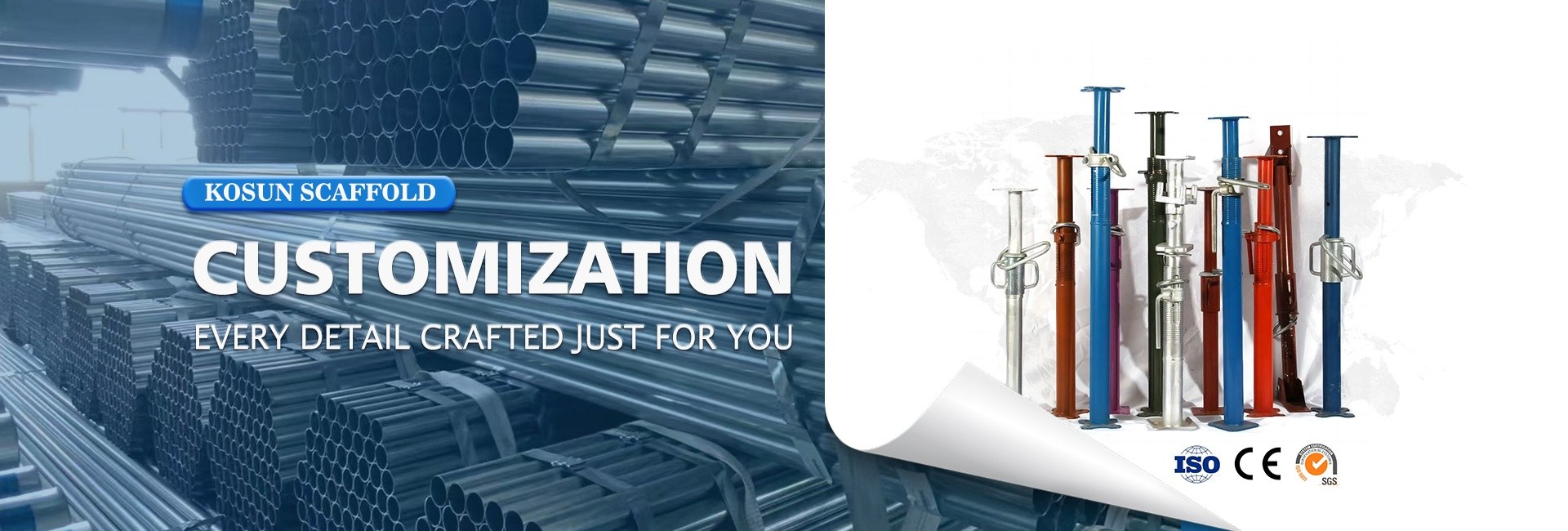
Introduction to Steel Support Forms in Construction
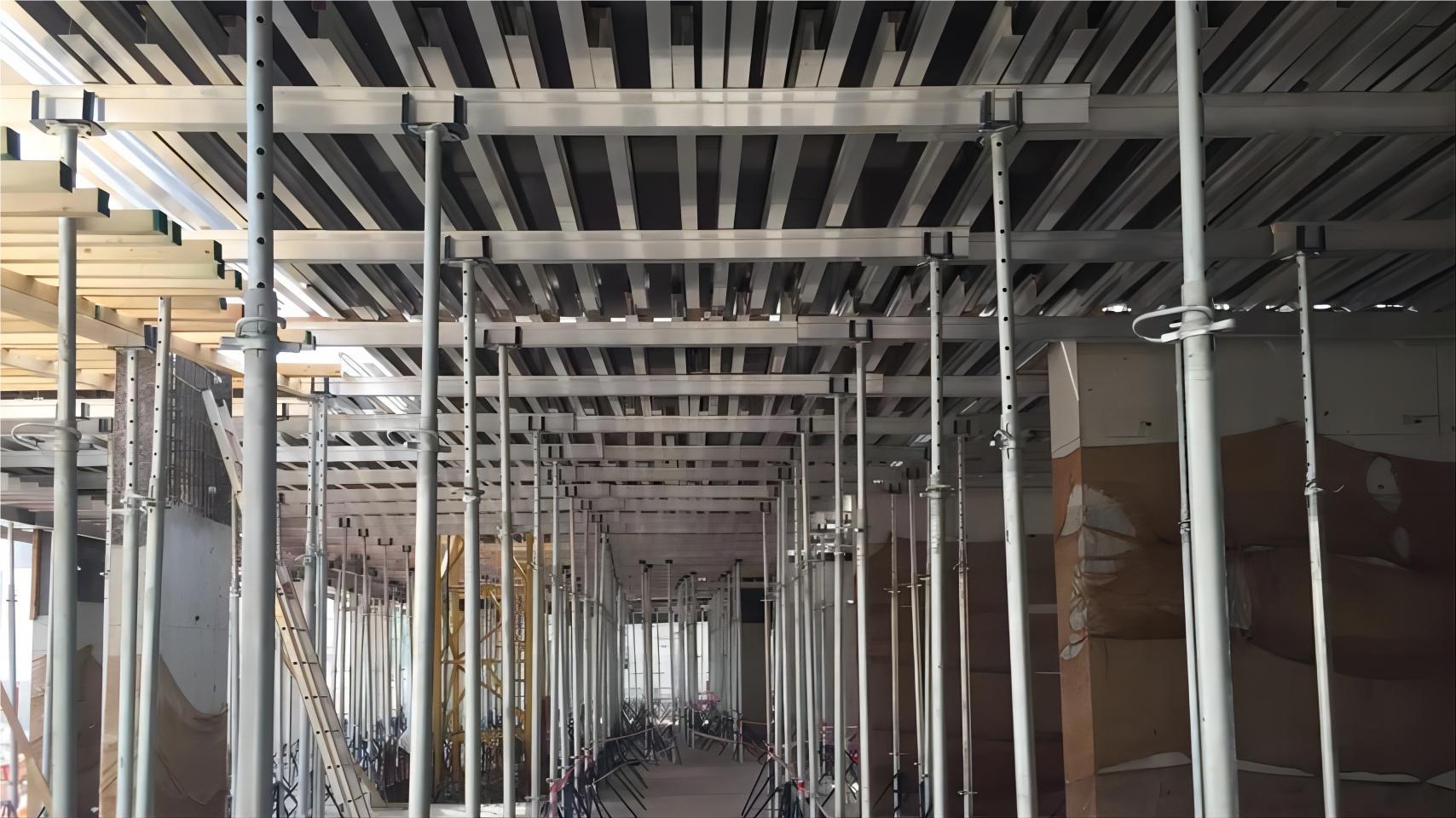
In contemporary construction, steel support forms are indispensable, laying the foundation for stability and resilience in architectural projects. Steel, with its innate strength, versatility, and durability, serves as the cornerstone for building structures, ensuring they withstand the rigors of time and nature. The use of custom steel support systems is prevalent across various domains, ranging from residential homes to towering skyscrapers, underscoring their importance in modern engineering.
The demand for the best steel support solutions has driven innovations in design and manufacturing, with suppliers and manufacturers striving to offer reliable, high-performance products. As structures grow in complexity, the need for adept steel support systems becomes even more pronounced.
Angles: Essential L-shaped Steel Members
● Types of Angles and Their Applications
Angles are foundational elements in steel support structures, characterized by their L-shaped design. They come in various forms, including equal-leg, unequal-leg, and special angles, each serving unique purposes in construction. Equal-leg angles are often used where uniform distribution of load is critical, while unequal-leg angles are suited for applications requiring differential support strength.
● Role in Resisting Bending and Torsion
The application of angles in construction is notable for their efficacy in resisting bending moments and torsion. This makes them ideal for frameworks that encounter multi-directional forces, providing the necessary rigidity and support for complex structures.
Columns: Rectangular and Circular Steel Supports
● Types of Steel Columns
Steel columns are integral to the structural integrity of buildings, commonly employed in square, rectangular, round, and flange forms. These columns are pivotal in transferring vertical loads from beams and slabs down to the foundations.
● Function in Resisting Compressive Forces
Columns are engineered to resist compressive forces, which are prevalent in multi-story buildings. The strength-to-weight ratio of steel columns makes them preferable over other materials, enabling slender designs that optimize space without compromising on strength.
Beams: Primary Steel Support Structures
● Various Types of Steel Beams
Beams stand as one of the primary members in steel support systems, available in diverse types such as I-beams, H-beams, and T-beams. Each type is engineered to handle specific structural demands, with I-beams being a staple in supporting horizontal loads.
● Functionality in Withstanding Bending Moments
Steel beams are designed to effectively resist bending moments, a common stressor in building frameworks. Their design allows them to span large distances with minimal support, making them suitable for bridges and large open spaces in buildings.
Channels: Versatile U-shaped Steel Members
● Forms and Applications
Channels, with their distinctive U-shaped design, play a versatile role in steel support structures. Available in C-shaped, U-shaped, and Z-shaped variants, they are employed in a multitude of applications, including wall frames and supports for building facades.
● Use in Resisting Bending and Torsion Forces
Their design facilitates efficient management of bending and torsion forces, making them indispensable in structures that require elevated flexibility and strength. Channels often support roofs, floors, and walls, contributing to the overall stability of the edifice.
Brackets: Connecting and Supporting Steel Components
● Variety of Steel Brackets
Brackets are crucial in steel support systems, offering connectivity and additional support where needed. Available in various shapes such as L-brackets, T-brackets, C-brackets, and U-brackets, they ensure secure fastening of elements across structures.
● Importance in Structural Connectivity and Load Support
The strategic placement of brackets enhances the integrity of the structure, distributing loads effectively and preventing undue stress on primary elements. They are particularly essential in areas where components meet at angles or extend beyond standard support lengths.
Tubulars: Circular Cross-section Steel Elements
● Variants of Steel Tubulars
Tubular steel elements are characterized by their circular cross-sections, with variations including square, rectangular, and round tubes. These components contribute significantly to the overall support infrastructure, providing robust frameworks for complex projects.
● Capabilities in Resisting Bending, Pressure, and Torsion
Their hollow design allows for high strength with reduced weight, making them ideal for applications where heavy loads and dynamic forces are present. Tubulars are frequently used in high-rise buildings, bridges, and industrial facilities.
Cantilevers: Steel Members for Extended Support
● Types of Steel Cantilevers
Cantilevers, available in single-arm and double-arm versions, extend horizontally from a vertical support, offering an innovative solution for spanning spaces without the need for intermediary supports.
● Application in Resisting Bending Moments and Torsion
These structures are specifically designed to resist bending moments and torsion, lending themselves to architectural features such as balconies, overhangs, and bridge cantilevers. Their ability to carry loads at a distance makes them a vital element in modern architectural design.
Welded Frames: Customizable Steel Support Systems
● Forms of Welded Steel Frames
Welded steel frames offer unparalleled customization in steel support systems, crafted in forms such as I-beam, H-beam, and T-beam configurations. These frames are tailored to meet specific structural and aesthetic needs, ensuring optimal performance and design.
● Design and Use in Resisting Various Structural Forces
The adaptability of welded frames allows for seamless integration into any architectural plan, providing resilience against diverse structural forces. Their bespoke nature enables the creation of unique and efficient support systems that cater to a wide array of building requirements.
Conclusion: Choosing the Right Steel Support Form
● Criteria for Selecting Appropriate Steel Structures
Selecting the best steel support form involves considering factors such as load requirements, environmental conditions, and aesthetic preferences. The choice of steel support has a profound impact on the construction's efficiency, cost, and longevity.
● Impact on Construction Efficiency and Stability
Investing in high-quality, custom steel support solutions from reputable manufacturers ensures the construction's stability and resilience. Steel support systems not only enhance the aesthetic value but also contribute significantly to reducing construction time and cost.
About Hunan Kosun Metal Products Co., Ltd.
Hunan Kosun Metal Products Co., Ltd. is a leading name in the scaffolding industry, offering design, production, sales, and logistics solutions in China. With over 15 years of experience, Kosun specializes in providing safe and innovative scaffolding systems to clients worldwide. The company’s comprehensive product range includes scaffolding tubes, couplers, and various systems that meet stringent industry standards. Known for its commitment to quality and customer satisfaction, Kosun is a trusted OEM manufacturer, recognized for excellence in engineering projects globally.
Post time: 2025-02-27 17:32:06