

Introduction to Steel Varieties
Steel is a cornerstone of modern industrial and construction projects, playing a crucial role in the development of infrastructure globally. Steel comes in various forms, each tailored to specific applications, from reinforcing rods in concrete to complex machinery components. Amidst the spectrum of steel varieties, two primary types gain attention: plank steel and regular steel. Understanding their differences is vital for manufacturers, factories, and suppliers who depend on the right material for their specific needs.
Composition and Manufacturing of Regular Steel
Key Components and Grades
Regular steel is primarily composed of iron and carbon, yet its versatility comes from the inclusion of other elements such as chromium, nickel, and manganese. Over 3,500 different grades of steel have been developed, each offering unique characteristics tailored to specific applications. The concentration of carbon in regular steel influences its mechanical properties; for instance, higher carbon content typically enhances strength but reduces ductility.
Manufacturing Processes
Manufacturing of regular steel involves several processes, including the Bessemer process, open-hearth furnace, and modern electric arc furnaces. These processes are designed to refine raw iron into high-quality steel, often adjusting the carbon content and other additives to achieve desired properties.
Characteristics of Plank Steel
Structural Components and Design
Plank steel is a specialized type of steel used predominantly in scaffolding systems. Its primary function is to provide stable platforms for workers, tools, and materials at elevated heights. The design incorporates a non-slip surface and a hook-and-notch system, enhancing safety and stability.
Material Strength and Applications
Manufactured from high-grade steel, plank steel is known for its exceptional durability and ability to withstand heavy loads and harsh environmental conditions. This makes it an indispensable component in construction, maintenance, and industrial activities, where safety and resilience are paramount.
Load Capacity and Durability
Supporting Heavy Loads with Confidence
Plank steel is engineered to hold significant weight, offering unmatched load capacity compared to many regular steel applications. This characteristic is essential for scaffolding, which must support not only the weight of workers but also various tools and building materials. Typically, plank steel can handle loads far exceeding 500 kg per square meter.
Longevity in Harsh Conditions
The longevity of plank steel is attributed to its robust construction and resistance to fire, corrosion, and mechanical wear. It remains reliable under extreme temperatures and challenging environments, offering a longer service life than many regular steel products.
Safety Standards and Fire Resistance
Compliance with Safety Regulations
Plank steel is designed to meet rigorous safety standards, ensuring worker protection in high-risk environments. Its non-slip surface and secure assembly methods reduce accidents, which is crucial for compliance with occupational safety regulations.
Fire-Resistant Properties
Unlike some regular steel types, plank steel boasts enhanced fire-resistant qualities, vital for maintaining structural integrity in fire-prone areas. This makes it a preferred choice in projects where safety cannot be compromised.
Longevity and Cost-Effectiveness
Investment in Long-Term Solutions
The upfront investment in plank steel may be higher than some regular steel forms, yet its long-term benefits often offset initial costs. Its durability and reduced maintenance needs translate to lower lifecycle costs, making it a cost-effective solution for long-term projects.
Economic Advantages for Manufacturers and Suppliers
For manufacturers, factories, and suppliers, offering plank steel can be economically advantageous due to its demand in various industries such as construction and maintenance. Its long-lasting nature means fewer replacements and repairs, enhancing overall project efficiency.
Modular Design and Versatility
Adaptable to Various Scaffolding Systems
Plank steel offers a modular design, allowing for quick assembly and disassembly across different scaffolding systems. This flexibility is advantageous in dynamic construction environments where quick adjustments are needed.
Broad Range of Applications
The versatility of plank steel extends beyond mere scaffolding. Its use in industrial platforms, bridges, and temporary structures showcases its adaptability to diverse applications, further widening its appeal to manufacturers and suppliers.
Environmental and Sustainable Aspects
Sustainable Manufacturing Practices
Plank steel is manufactured with sustainability in mind, often using recyclable materials and eco-friendly processes. This aligns with the global shift towards reducing carbon footprints and enhances its appeal as a sustainable building material.
Contributions to Green Construction
By incorporating plank steel in construction projects, manufacturers and suppliers can contribute to more sustainable building practices. Its durability and reusability reduce waste, aligning with green construction initiatives.
Classification and Grades of Steel
Understanding Steel Grades
Steel is classified into various grades based on chemical composition and mechanical properties. Regular steel grades, including carbon steel, alloy steel, stainless steel, and tool steel, serve different functions across industries.
Comparing Grades with Plank Steel
Plank steel falls under a specialized category due to its unique application in scaffolding and load-bearing projects. While regular steel serves a broader range of applications, the specific design and safety attributes of plank steel make it indispensable where secure elevated platforms are necessary.
Conclusion: Choosing the Right Steel
In the world of industrial and construction applications, selecting the right type of steel is crucial to project success. Plank steel and regular steel each offer distinct advantages depending on the specific needs of the deployment. Manufacturers, factories, and suppliers must weigh factors such as load capacity, safety, durability, and environmental impact when making a decision.
Kosun Provide Solutions
Kosun is dedicated to offering comprehensive solutions for industries requiring high-quality steel products. Our expertise in plank steel and regular steel aids manufacturers, factories, and suppliers in selecting the best materials for their projects. By providing durable, sustainable, and efficient steel solutions, Kosun supports the advancement of safe and resilient construction practices worldwide.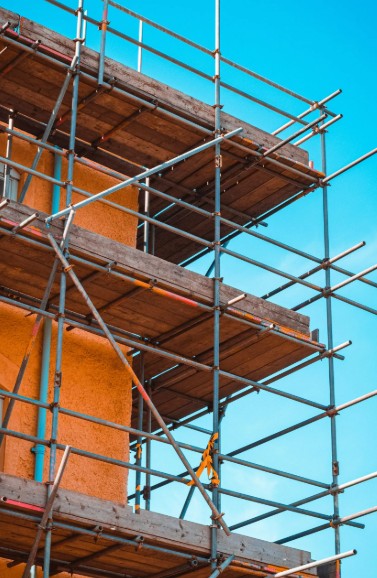
Post time: 2025-09-15 16:33:05