


1.Safety Precautions: Prioritize safety by ensuring all workers involved wear appropriate Personal Protective Equipment (PPE), including helmets, gloves, and safety harnesses.
2.Communication and Planning: Develop a comprehensive dismantling plan and communicate it clearly to the team, ensuring everyone understands their specific roles and responsibilities during the process.
3.Material and Tool Removal: Clear the scaffolding platform of any materials, tools, or debris to create a safe and unobstructed workspace.
4.Start from the Top: Begin dismantling the scaffolding from the highest level. Prior to proceeding, remove all guardrails, toeboards, and other safety features.
5.Decking Dismantling: Remove the decking or other platform surfaces starting from the top and working downwards, ensuring each level is cleared before moving to the next.
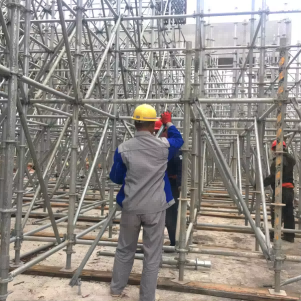
6.Dismantle Braces and Horizontal Components: Step-by-step, remove the horizontal braces and components, making sure to release any fittings or locks as required. Work from the top down, storing the dismantled components in an organized manner.
7.Dismantle Vertical Posts: After removing the horizontal components, proceed to dismantle the vertical posts or standards with braces. If possible, use a pulley system or manually lower them to the ground, taking care to avoid dropping heavy components.
8.Safely Lower Components: When dismantling a scaffolding tower, employ a hoist or pulley system to carefully lower larger components to the ground. Ensure that there are no workers below who might be injured by falling objects.
9.Inspect and Clean: After all scaffolding has been removed, clean and inspect each component for damage or wear. Any damaged or faulty parts should be repaired or replaced prior to the next use.
10.Store Components: Store the dismantled components in a designated area, keeping them organized and protected from damage to ensure they are readily available for future use.
Post time: 2025-01-08 17:30:35