

Introduction
Ringlock scaffolding is undeniably one of the most versatile and reliable systems used in modern construction projects globally. Its popularity stems from its flexibility, efficiency, and ease of assembly. However, as with any construction equipment, there are specific requirements and precautions that must be observed to ensure a safe working environment. This article delves deep into these requirements and precautions, ensuring that your next scaffolding project is both successful and safe.
Importance of Material Inspection for Safety
● Inspecting for Defects and Damage
Before commencing any scaffold installation, a comprehensive inspection of all components is crucial. Ensuring that all elements of the ringlock scaffolding are free from defects and damage not only guarantees the safety of the workers but also the structural integrity of the scaffold. Components should be checked for signs of wear, rust, or any visible deformities. Utilizing damaged parts can compromise the safety of the construction site, potentially leading to accidents.
● Ensuring Component Integrity
The integrity of each component is vital for the stability and performance of the scaffolding. Regular inspections and maintenance can help in identifying issues early. By ensuring that each component meets the required standards, projects can proceed without unnecessary interruptions or hazards. Collaborating with a trusted ringlock scaffolding manufacturer ensures that all components are of the highest quality, reducing the likelihood of encountering defective parts.
Training Requirements for Scaffold Installers
● Assembly and Disassembly Training
Proper training of installation crews is essential. Workers must be well-versed in the processes of assembling and disassembling the ringlock scaffolding. Comprehensive training programs should cover the system's intricacies, teaching workers to identify potential issues, and instilling a culture of safety. Custom ringlock scaffolding setups may require specialized training to address unique assembly challenges.
● Proper Use of Personal Protective Equipment
Safety gear is crucial when dealing with any scaffolding installation. Workers should be trained in the correct use of personal protective equipment (PPE), including helmets, harnesses, and gloves. Proper PPE use not only protects workers but also ensures compliance with safety regulations. A ringlock scaffolding supplier typically offers guidance on the recommended PPE for specific installations.
Foundation Stability and Suitability
● Assessing Ground Conditions
The stability of the ground is foundational to the safety of the scaffolding. Before installation, the site must be assessed for its ability to support the scaffold's weight, including that of the workers and materials. Factors like soil type, moisture content, and ground slope should be considered. A ringlock scaffolding factory usually provides guidelines to assess these ground conditions adequately.
● Preparing a Stable Installation Base
Once ground conditions are deemed suitable, preparation of the base follows. This includes leveling the area and ensuring it can withstand the imposed loads. Proper base preparation minimizes the risk of scaffold settlement and tilt, maintaining the scaffold's structural integrity throughout its use. A best ringlock scaffolding solution incorporates a robust base preparation strategy.
Ensuring Secure Base Component Placement
● Importance of Base Plates and Adjustable Bases
The foundation of any successful scaffold installation lies in the correct placement of base components. Base plates and adjustable bases act as the initial contact point between the scaffold and the ground, distributing loads effectively. Incorrect placement can lead to tilting or collapse, jeopardizing worker safety.
● Establishing a Stable Scaffold Foundation
A stable foundation is the cornerstone of any scaffolding project. By following manufacturer guidelines and ensuring all base components are securely placed, the likelihood of foundation-related scaffolding failures is minimized. A reliable ringlock scaffolding factory will emphasize the importance of a stable foundation in their installation instructions.
Following Manufacturer's Assembly Instructions
● Importance of Correct Assembly
Adhering strictly to the manufacturer’s instructions is crucial when assembling ringlock scaffolding. These guidelines are meticulously crafted to ensure safety and efficiency. Missteps during assembly can compromise the scaffold's structural integrity, posing significant risks.
● Ensuring Secure Connections and Engagement
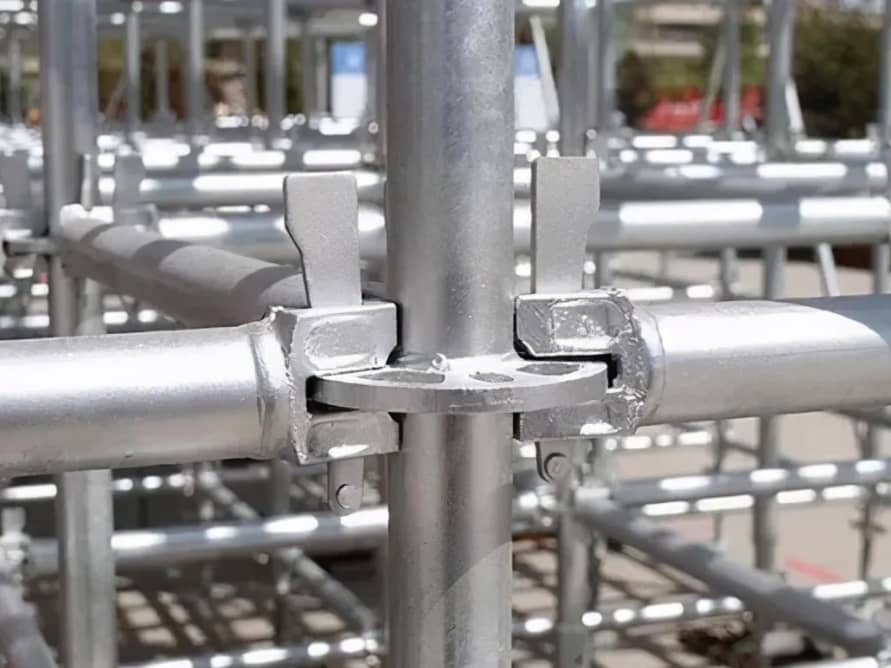
Each connection in a ringlock scaffolding system plays a vital role in the overall stability of the structure. Ensuring that all connections are fully engaged and secure is paramount. Manufacturers of best ringlock scaffolding systems provide detailed instructions to facilitate correct assembly, reducing the chances of human error during setup.
Installing Safety Features: Toe Boards and Guardrails
● Preventing Falls with Guardrails
Falls are one of the most common hazards in construction sites. Installing guardrails on all open sides and ends of the scaffolding is critical in preventing such incidents. Guardrails act as physical barriers, reducing the risk of workers inadvertently stepping off the edge.
● Importance of Toe Boards for Safety
Toe boards further enhance the safety of scaffolding systems by preventing tools and materials from falling. This safety measure protects workers below from potential injuries and ensures the work area remains organized. Custom ringlock scaffolding solutions often integrate these safety features to meet specific site requirements.
Role of Stabilizers and Ties in Scaffold Stability
● Using Stabilizers for Additional Support
Stabilizers play a crucial role in maintaining the upright position of the scaffolding, especially in taller constructions. These components provide additional support, reducing the risk of sideways tipping and enhancing the overall stability of the scaffold.
● Preventing Tip-Over Risks
Proper use of ties is essential in securing the scaffolding to adjacent structures. By doing so, the risk of the scaffold tipping over due to external forces, such as wind or unbalanced loads, is significantly reduced. A reliable ringlock scaffolding supplier will provide the necessary stabilizers and ties to ensure scaffold stability.
Understanding and Adhering to Load Capacities
● Importance of Load Capacity Awareness
Exceeding the load capacity of scaffolding is a common but dangerous oversight in construction projects. Understanding the load limits of the ringlock scaffolding ensures that these limits are not breached, maintaining the scaffold's integrity and the safety of its users.
● Avoiding Scaffold Overloading
Overloading can lead to catastrophic failures, endangering workers and the integrity of the structure. By strictly adhering to manufacturer-specified load capacities, projects can proceed with minimal risk. The best ringlock scaffolding systems offer clear load capacity guidelines to prevent overloading.
Creating Safe Access and Egress Points
● Importance of Secure Ladders and Stair Towers
Safe access and egress are fundamental to scaffolding safety. Properly installed ladders and stair towers provide secure entry and exit points for workers. These components must be stable and positioned to minimize the risk of falls or trips.
● Ensuring Stability of Entry Points
The stability of access points is crucial. Regular checks should be performed to ensure that ladders and stair towers remain secure throughout the project. Collaborating with a reliable ringlock scaffolding manufacturer ensures access components meet industry safety standards.
Impact of Weather Conditions on Scaffold Safety
● Avoiding Installation in Adverse Weather
Weather conditions can significantly impact the safety and stability of scaffolding systems. High winds, rain, and storms can pose serious risks during installation and operation. Projects should be planned with weather conditions in mind, avoiding installation during adverse weather.
● Monitoring Weather Conditions for Safety
Constant monitoring of weather conditions minimizes unforeseen risks. Implementing safety protocols, such as securing the scaffold during high winds, can prevent accidents and ensure the ongoing safety of the construction site. Custom ringlock scaffolding setups often incorporate weather considerations into their design.
Conclusion
The successful installation of ringlock scaffolding hinges on strict adherence to outlined safety requirements and precautions. From rigorous material inspections to comprehensive installer training and load management, each step is crucial in ensuring a secure and efficient scaffolding setup. By partnering with a trusted ringlock scaffolding supplier, the risk of accidents is minimized, and project efficiency is maximized.
About Kosun
Hunan Kosun Metal Products Co., Ltd. is a leading scaffolding company with design, production, sales, and logistics abilities in China. We focus on providing customers with safe, reliable, and innovative scaffolding solutions. With over 15 years’ experience in the scaffolding industry, we have many customers from Europe, Southeast Asia, North America, South America, Australia, New Zealand, and the Middle East. Kosun's comprehensive range of products includes scaffolding tubes, couplers, and various system setups, meeting the diverse needs of construction projects worldwide. As a trusted ringlock scaffolding manufacturer, Kosun is committed to quality and customer satisfaction.
Post time: 2025-03-04 18:57:03