

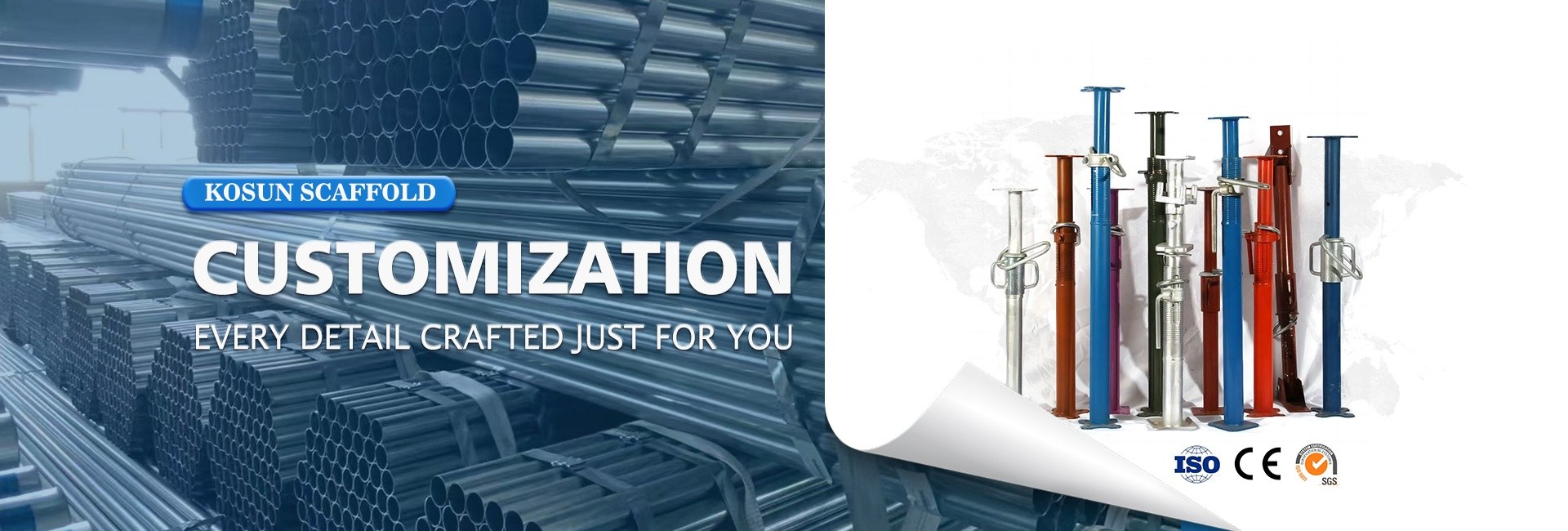
Introduction to Scaffold Tubes
● Definition and Basic Structure
Scaffold tubes are indispensable components in the construction industry, providing the structural backbone for scaffolding systems that facilitate safe and efficient work at height. Typically made from robust materials such as steel or aluminum, scaffold tubes are designed to withstand significant loads and environmental stresses. These tubes serve as a framework that supports workers and materials, ensuring stability and safety on construction sites. As the construction industry continues to evolve, scaffold tubes have undergone various innovations to enhance their performance and adaptability, making them critical tools in modern construction projects.
● Historical Context and Evolution
The evolution of scaffold tubes parallels the development of construction techniques. In ancient civilizations, rudimentary scaffolding was constructed using wood, rope, and other readily available materials. Over time, as the demand for taller and more complex structures increased, so did the need for more reliable and durable scaffolding solutions. The introduction of metal scaffold tubes marked a significant turning point, allowing for greater load-bearing capacities and reduced structural weight. Today, modern scaffold tubes are not only integral to building projects but are also utilized in various industries that require temporary and stable structures.
Materials and Construction of Scaffold Tubes
● Common Materials Used
Scaffold tubes are primarily constructed from materials that offer a balance between strength, durability, and ease of handling. Steel is the most common material used, valued for its exceptional strength and resistance to bending or warping. Meanwhile, aluminum offers a lightweight alternative with inherent corrosion resistance, making it suitable for certain environmental conditions. Each material presents unique advantages, allowing scaffold tube manufacturers to supply custom scaffold tubes tailored to specific project needs.
● Advantages of Each Material
Steel scaffold tubes are renowned for their ability to support heavy loads, making them ideal for large-scale construction projects. Their inherent strength ensures safety and stability, even under challenging conditions. On the other hand, aluminum scaffold tubes, being lighter, facilitate easier transport and installation, reducing labor costs and time. The choice between these materials often depends on specific project requirements, environmental conditions, and budget considerations. Scaffold tube suppliers provide a range of options to ensure that project managers can select the best scaffold tube for their needs.
Primary Uses of Scaffold Tubes in Construction
● Support Structures for Buildings
In construction, scaffold tubes are primarily used to create support structures that allow workers to access and perform tasks at elevated heights. These support systems are crucial for tasks such as painting, repair, maintenance, and installation of building elements. Scaffold tubes offer the flexibility to be configured in various layouts, accommodating different building designs and site conditions. Custom scaffold tubes can be engineered to meet specific height and load requirements, ensuring the safety and efficiency of construction operations.
● Facilitation of Safe Working Environments
Safety is a paramount consideration in construction, and scaffold tubes play a vital role in ensuring worker safety. By providing a stable and secure platform, scaffold tubes reduce the risk of falls and accidents during high-altitude work. They also allow for the safe transport of materials and tools, further enhancing workplace safety. Scaffold tube manufacturers adhere to stringent safety standards and regulations, ensuring that every tube meets the necessary requirements for safe usage on construction sites.
Scaffold Tubes in Temporary Structures
● Events and Exhibitions
Beyond traditional construction uses, scaffold tubes are increasingly employed in creating temporary structures for events and exhibitions. Their versatility allows for the construction of stages, seating areas, and display stands in a variety of settings. Scaffold tube factories produce components that are easily assembled and disassembled, making them ideal for short-term applications where flexibility and rapid deployment are essential.
● Emergency Shelters and Temporary Installations
Scaffold tubes have proven invaluable in emergency response situations, where rapid deployment of temporary shelters is required. In the aftermath of natural disasters, scaffold tubes can be used to erect stable and secure structures that provide shelter and protection to affected populations. Their adaptability and ease of installation make them an essential resource in humanitarian efforts, highlighting their importance beyond the conventional construction sector.
Safety Considerations with Scaffold Tubes
● Load Capacities and Weight Distribution
Understanding load capacities and proper weight distribution is critical when using scaffold tubes. These factors determine the structural integrity and safety of the scaffold system. Manufacturers provide detailed guidance on load limits, ensuring that users can safely implement scaffold systems without compromising safety. Proper training and awareness of these considerations are essential for all personnel involved in the setup and use of scaffold tubes.
● Stability and Securing Techniques
To ensure stability, scaffold tubes must be securely fastened and anchored. This involves using appropriate scaffold fittings and clamps designed to hold tubes in place under varying conditions. Scaffold tube suppliers offer numerous accessories to enhance stability, such as base plates and couplers, which are essential in maintaining the scaffold's structural integrity during use. Frequent inspections and maintenance are also critical components of scaffold safety management.
Scaffold Tubes in Industrial Applications
● Oil and Gas Industry Usage
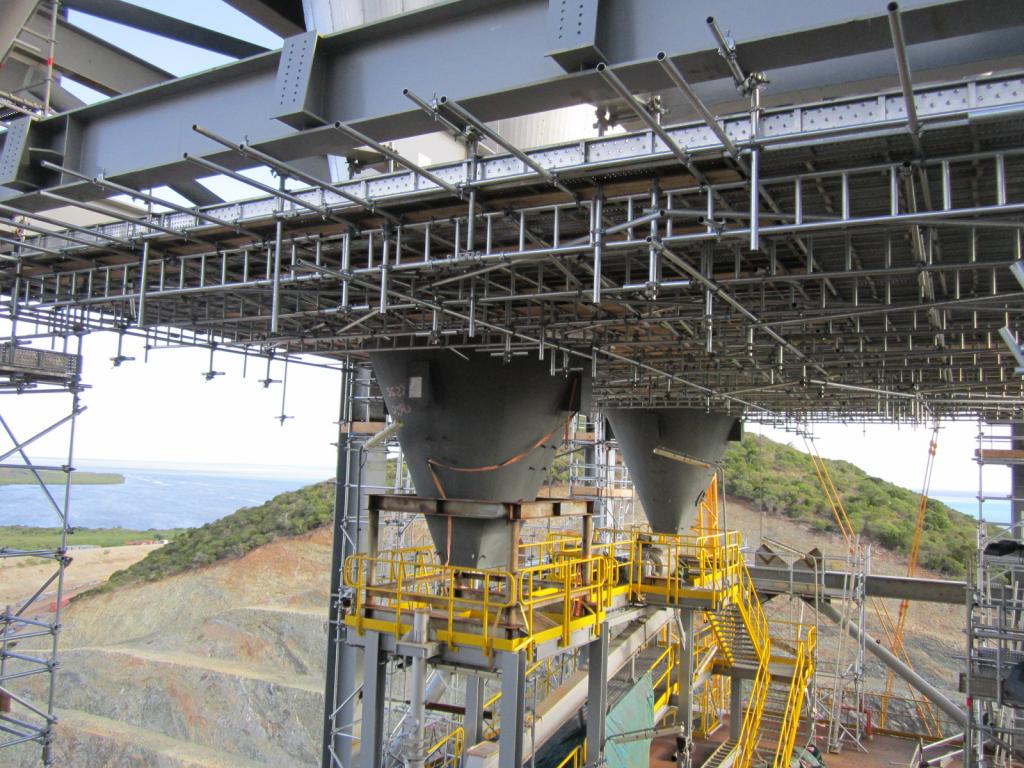
In the oil and gas industry, scaffold tubes are used extensively in the construction and maintenance of rigs and refineries. These environments often require complex scaffold structures to provide access to hard-to-reach areas. The durability and flexibility of scaffold tubes make them ideal for these demanding applications, where safety and efficiency are of the utmost importance. Custom scaffold tubes can be manufactured to withstand the harsh conditions commonly encountered in this industry.
● Heavy Manufacturing and Maintenance Projects
Scaffold tubes are also essential in heavy manufacturing environments, facilitating maintenance and repairs of large machinery. Their ability to be configured in numerous ways allows for safe access to equipment, ensuring that maintenance tasks can be carried out effectively. Scaffold tube manufacturers work closely with industrial clients to provide solutions that meet the specific requirements of manufacturing and maintenance operations.
Innovative Uses of Scaffold Tubes
● Creative Architectural Projects
The adaptability of scaffold tubes has inspired architects to incorporate them into innovative and creative design projects. From temporary art installations to experimental architectural structures, scaffold tubes offer a unique and industrial aesthetic. Their versatility allows architects to push the boundaries of conventional design, creating visually striking and functional spaces.
● Art Installations and Educational Projects
Artists and educators have embraced scaffold tubes as a medium for creating large-scale installations and educational structures. Their modular nature and ease of assembly provide endless possibilities for creative expression and interactive learning experiences. Scaffold tube suppliers have collaborated on numerous projects, showcasing the artistic potential of these versatile components.
Environmental and Economic Impact of Scaffold Tubes
● Reusability and Recyclability
Scaffold tubes offer significant environmental benefits due to their reusability and recyclability. Unlike disposable construction materials, scaffold tubes can be reused across multiple projects, reducing waste and resource consumption. At the end of their life cycle, metal scaffold tubes can be recycled, further minimizing their environmental footprint. This sustainable approach aligns with the growing demand for eco-friendly construction practices.
● Cost-Effectiveness in Construction Projects
The cost-effectiveness of scaffold tubes is another key advantage, particularly for large-scale and long-term projects. Their durability and reusability contribute to significant cost savings over time, while their ease of installation reduces labor costs. Scaffold tube suppliers provide competitive pricing and flexible solutions, enabling construction companies to optimize their budgets without compromising quality or safety.
Regulations and Standards Governing Scaffold Tubes
● Relevant Safety Standards and Codes
Scaffold tubes are subject to a variety of safety standards and codes to ensure their safe use in construction and other applications. These regulations cover aspects such as material quality, load-bearing capacity, and assembly procedures. Scaffold tube manufacturers are required to adhere to these standards, providing assurance that their products meet the necessary safety criteria. Compliance with these regulations is essential to maintaining the safety and integrity of scaffold systems.
● Compliance and Inspection Processes
Regular inspections and compliance checks are crucial in maintaining scaffold safety. These processes ensure that scaffold tubes remain in good condition and are used correctly in line with established guidelines. Scaffold tube suppliers often provide documentation and support to facilitate compliance, helping clients navigate the complexities of safety regulations and maintain high standards of operational safety.
Future Trends and Developments in Scaffold Tube Technology
● Technological Advancements Influencing Design
The future of scaffold tubes is shaped by ongoing technological advancements that enhance their design and functionality. Innovations such as advanced materials, improved manufacturing techniques, and smart technologies are set to revolutionize the scaffold industry. These developments promise to deliver scaffold tubes that are lighter, stronger, and more adaptable, meeting the evolving needs of construction and industrial applications.
● Potential Future Applications and Innovations
As scaffold tube technology continues to advance, new applications and innovations are likely to emerge. From integration with digital tools for enhanced project management to the development of modular systems that can be adapted on-the-fly, the potential for future growth is vast. Scaffold tube manufacturers are positioned to lead these innovations, providing cutting-edge solutions that address the challenges of tomorrow's construction landscape.
Conclusion
● Introduction to Kosun
Hunan Kosun Metal Products Co., Ltd. is a leading scaffolding company with a strong focus on design, production, sales, and logistics capabilities. With over 15 years of experience, Kosun provides safe, reliable, and innovative scaffolding solutions to customers worldwide, including those in Europe, South East Asia, North America, South America, Australia, New Zealand, and the Middle East. Known for their high-quality scaffolding tubes, couplers, and custom scaffold tube options, Kosun remains committed to excellence and customer satisfaction, making them a trusted partner in the construction industry.
Post time: 2024-11-27 12:32:04