

Introduction
Scaffolding is an indispensable component of the construction industry, providing essential support and safety for workers as they carry out tasks at various heights. The global significance of scaffolding is reflected in its substantial economic impact. In the UK alone, scaffolding contributes an estimated £2.86 billion to the economy. This underscores the importance of understanding the different types of scaffolding available, to ensure the safety and efficiency of construction projects. This article delves into the three main types of scaffolding: supported, suspended, and aerial scaffolding, all of which are vital in various contexts within the construction industry.
Supported Scaffolding: Structure and Uses
● Description and Construction of Supported Scaffolding
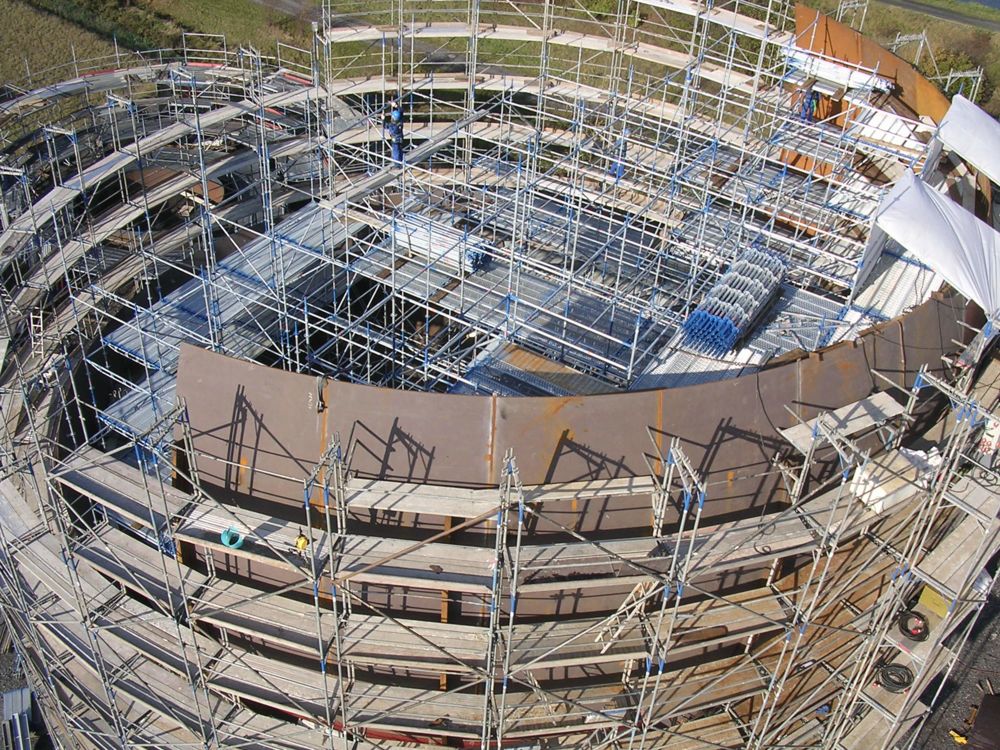
When people think of scaffolding, supported scaffolding is usually the first image that comes to mind. This type of scaffold is constructed vertically from the ground, using materials such as metal tubes and couplers. Supported scaffolding is securely anchored to the ground and the building's structure, providing a stable platform that is essential for tasks that need elevation. It is perhaps the best scaffold type for projects where there is ample ground space, allowing for a solid foundation and extensive structural support.
● Typical Materials Used: Metal Tubes and Couplers
Supported scaffolding primarily utilizes metal tubes and couplers to build its frameworks. These materials are chosen for their strength, durability, and ability to withstand substantial loads. Scaffold manufacturers often employ steel due to its robustness, despite its higher cost compared to other materials like wood. The choice of high-quality materials and precise construction techniques ensures that supported scaffolding remains safe and efficient for workers.
● Common Applications in Construction Projects
Supported scaffolding is widely used in construction projects where accessibility to the ground is not an issue. It's prevalent in building facades, renovations, and any site where stable, elevated platforms are required. Its reliability and ease of assembly and disassembly make it a preferred choice for many large-scale projects, providing a cost-effective solution for prolonged construction activities.
Advantages and Safety of Supported Scaffolding
● Why Supported Scaffolding is Considered the Safest
Supported scaffolding is regarded as one of the safest methods for gaining elevation in construction. Its solid connection to the ground and building ensures minimal movement and high stability, greatly reducing the risk of accidents. This makes it the best scaffold type for projects where safety is paramount.
● Stability and Reliability for Construction Workers
Construction workers benefit significantly from the stability and reliability that supported scaffolding offers. A stable scaffold allows workers to focus on their tasks without concern for their safety, thereby improving productivity and work quality. Additionally, the robust design of supported scaffolding accommodates various weights and tools used in construction, adding to its practicality.
● Situations Where Supported Scaffolding is Ideal
Supported scaffolding is ideal for projects that require extended work at height, especially where there is sufficient ground space. It's particularly suited for tasks like plastering, painting, and bricklaying, where workers need a reliable platform over an extended period. Its adaptability also makes it useful for custom scaffold designs tailored to specific project needs.
Suspended Scaffolding: Design and Application
● Definition and Mechanism of Suspended Scaffolding
Suspended scaffolding is a type of scaffold that is hung from overhead structures using ropes or other non-rigid means. The platforms are adjustable, allowing workers to reach various heights without the need for a ground-based structure. This type of scaffold is often used in situations where traditional supported scaffolds cannot be erected from the ground.
● Popularity of Swing-Stage Scaffolds
The swing-stage scaffold, a popular variant of suspended scaffolding, is widely used for tasks such as window cleaning and high-rise building maintenance. It consists of a platform suspended by ropes, which can be adjusted to the desired height. This flexibility makes suspended scaffolds an invaluable tool for tasks requiring access to different levels of a building.
● Scenarios Where Suspended Scaffolding is Necessary
Suspended scaffolding is essential in scenarios where ground access is limited or non-existent, such as on slopes or over water bodies. It is also preferred for projects involving tall structures where erecting supported scaffolding would be impractical. Best scaffold designs often incorporate suspended elements to provide the necessary reach and mobility for complex projects.
Aerial Scaffolding: Concept and Implementation
● Explanation of Aerial Scaffolding
Aerial scaffolding refers to temporary structures or platforms erected above ground level. These are often used in construction, maintenance, or repair tasks on buildings, bridges, or other structures. Aerial scaffolding is a versatile tool, allowing for safe work at significant heights without permanent installations.
● Typical Use Cases in Maintenance and Repair Tasks
Typical uses of aerial scaffolding include maintenance and repair tasks on bridges, towers, and high-rise buildings. Its capability to provide access to difficult-to-reach areas makes it invaluable for facade restorations, painting, and similar tasks. Custom scaffold solutions often rely on aerial scaffolding to address unique project challenges.
● Benefits of Aerial Access Platforms for High Structures
Aerial scaffolding provides significant benefits for working on high structures. The flexibility of movement and the ability to reach various components without needing multiple setups can save time and reduce costs. Scaffold suppliers often design aerial platforms to integrate with existing structures, ensuring stability and safety throughout the project's duration.
Comparison of Scaffolding Types: Choosing the Right One
● Factors to Consider When Selecting Scaffolding
Choosing the right type of scaffolding for a project involves several considerations. These include the height and size of the structure, the nature of the tasks involved, accessibility of the site, and budget constraints. Each type of scaffold offers unique advantages, making it crucial to evaluate the specific needs of a project before selecting the most suitable one.
● Key Differences Between Supported, Suspended, and Aerial Scaffolding
Supported, suspended, and aerial scaffolding each have distinct characteristics. Supported scaffolding is noted for its stability and suitability for ground-accessible sites. Suspended scaffolding offers flexibility and ease of adjustment, ideal for projects with limited ground space. Aerial scaffolding provides comprehensive access to elevated structures, making it versatile for high-rise projects. Understanding these differences is key to selecting the best scaffold for any given application.
● Case Studies of Their Use in Various Projects
Real-world case studies highlight the effective use of different scaffolding types. For instance, supported scaffolding is widely used in constructing residential and commercial buildings, while suspended scaffolding plays a crucial role in the maintenance of skyscrapers and bridge repairs. Aerial scaffolding is often employed in industrial settings where high-level access is required. These examples demonstrate the adaptability of scaffold solutions to meet diverse project demands.
Material Considerations in Scaffolding Construction
● Common Materials: Wood vs. Steel
Scaffold construction typically utilizes wood or steel, each offering distinct advantages. Wood is cost-effective and easy to work with, making it suitable for temporary or less demanding applications. Steel, on the other hand, offers superior strength and durability, essential for heavy-duty scaffolding. Scaffold manufacturers often choose materials based on the specific requirements of a project, balancing cost and performance.
● Why Steel is Often Preferred Despite its Cost
Though more expensive, steel is often preferred for scaffolding due to its robustness and ability to withstand significant loads and harsh environmental conditions. The safety and longevity it provides can offset its initial cost by reducing the need for frequent replacements or repairs. Scaffold factories invest in high-quality steel products to ensure their scaffolding meets stringent safety standards.
● Impact of Material Choice on Safety and Durability
The choice of materials directly affects the safety and durability of scaffolding. High-quality materials not only enhance the structural integrity of the scaffold but also ensure the safety of workers operating at heights. Scaffold suppliers must adhere to rigorous quality standards to provide reliable and durable scaffolding solutions that meet industry safety requirements.
Frame Scaffolding: The Most Common Type
● Overview of Frame Scaffolding's Versatility
Frame scaffolding is recognized for its versatility, allowing it to be used in a wide range of applications from simple repairs to complex construction projects. Its modular design facilitates easy assembly and disassembly, making it an efficient choice for projects requiring frequent adjustments or relocations.
● Benefits of Cost-Efficiency and Ease of Setup
Frame scaffolding is cost-efficient and easy to set up, making it a popular choice across the construction industry. The simple design allows for quick installation, reducing labor costs and project timelines. Scaffold suppliers often recommend frame scaffolding for projects where budget and time constraints are a concern.
● Ideal Scenarios for Frame Scaffolding Usage
The adaptability of frame scaffolding makes it ideal for numerous scenarios, including residential construction, event setups, and temporary structures. Its ability to accommodate different heights and configurations allows it to meet varied project demands effectively. Scaffold factories often produce custom scaffold frame systems tailored to specific applications, enhancing their functionality and appeal.
Professionals Involved with Scaffolding
● Various Trades That Rely on Scaffolding
Scaffolding is crucial for many trades, providing necessary support for tasks performed at height. Construction workers, painters, roofers, and maintenance personnel regularly utilize scaffolding to safely complete their work. Scaffold manufacturers design products that cater to the unique demands of each trade, ensuring safety and efficiency.
● Importance of Scaffolding in Different Job Sectors
Scaffolding plays a vital role across multiple job sectors, from construction and building maintenance to event management and industrial manufacturing. Its ability to provide safe, elevated access makes it indispensable for tasks requiring stability and reach. Scaffold suppliers must therefore offer a range of solutions to address the diverse needs of different sectors.
● Safety and Training Requirements for Scaffolders
Safety is paramount in scaffolding operations, necessitating comprehensive training for those involved. Scaffolders must be skilled in erecting and dismantling scaffolding safely and efficiently. They must also understand the load-bearing capacities and limitations of the scaffolding they are working with. Scaffold factories often provide training programs to ensure that workers are equipped with the necessary skills and knowledge.
Conclusion: The Future of Scaffolding in Construction
● Technological Advancements in Scaffolding Design
The future of scaffolding in construction is likely to be shaped by technological advancements that improve safety, efficiency, and ease of use. Innovations such as modular designs, lightweight materials, and digital monitoring systems are poised to revolutionize the industry. Scaffold manufacturers are investing heavily in research and development to stay ahead of these trends.
● Future Demand for Scaffolding Professionals
As construction projects continue to grow in scale and complexity, the demand for skilled scaffolding professionals is expected to rise. Scaffold suppliers will need to ensure their products meet evolving safety standards and client expectations, further driving the need for ongoing professional development within the industry.
● Importance of Continued Education and Safety Standards
Continuing education and strict adherence to safety standards are critical to advancing scaffolding practices. By maintaining high safety standards and embracing technological innovations, the scaffolding industry can continue to support the construction sector's growth. Scaffold manufacturers are key players in this process, providing safe and reliable solutions that meet the industry's rigorous demands.
Introducing Kosun: A Leader in Scaffolding Solutions
Hunan Kosun Metal Products Co., Ltd. is a leading scaffolding company in China, offering design, production, sales, and logistics services. With over 15 years of experience, Kosun provides safe, innovative scaffolding solutions to customers worldwide. Our products include scaffolding tubes, couplers, frame systems, and more, all manufactured to high-quality standards. Located in Tianjin, our modern factory ensures strict quality control and efficient service delivery. Kosun is committed to helping clients succeed in their projects by providing exceptional scaffolding products and services. As a trusted scaffold supplier, we look forward to being your partner in achieving excellence.
Post time: 2024-11-14 15:21:02