

Introduction to Ringlock System Scaffolding
Ringlock system scaffolding, often regarded as a superior solution in modern construction, represents a paradigm shift from traditional scaffolding methods. This advanced system is designed to address the complexities and dynamic needs of contemporary construction projects. Characterized by its modular design, ringlock scaffolding integrates a range of prefabricated components, making it not only versatile but also exceedingly efficient. The system's development marks the culmination of years of innovation and engineering expertise, driven by the need for reliability, safety, and operational efficiency on construction sites. As construction demands have evolved, so too has the sophistication of scaffolding systems, with ringlock leading the charge toward safer and more adaptable solutions.
Components of Ringlock Scaffolding
● Prefabricated Parts
At the core of the ringlock scaffold system are its prefabricated parts, meticulously designed to ensure seamless assembly and robustness. These components include the verticals (standards), which serve as the backbone of the structure, as well as the ledgers, braces, and transoms, each playing a critical role in maintaining stability. The starter or base collars provide foundational support, while scaffold planks and head jacks add to the system’s versatility.
● Importance of Each Component
Each component within the ringlock system is crucial for achieving the desired structural integrity and load-bearing capacity. The prefabricated nature ensures that components are uniform and of high quality, reducing the likelihood of human error during assembly. Moreover, the strategic design of these parts allows for quick and secure connectivity, which is a significant advantage over traditional scaffolding systems that require extensive coupling and manual adjustments.
Versatility in Construction Applications
● Use in Various Structural Shapes
The ringlock scaffold system is lauded for its adaptability to a myriad of structural shapes, ranging from circular and rectangular to more specialized configurations. This flexibility is particularly beneficial in complex architectural projects where conventional scaffolding might fall short. Regardless of the structural demands—whether it be a straight facade, a curved tower, or an intricate arch—the ringlock system can be configured to provide optimal support.
● Adaptation to Mobile and Independent Scaffolding Towers
Beyond static structures, the ringlock system is equally effective in mobile and independent scaffolding towers. Its modularity allows for easy adjustments and modifications on-site, catering to the evolving needs of construction projects. Whether the project requires vertical expansion or lateral adjustments, the ringlock system can be reconfigured with minimal disruption, ensuring continuity and efficiency in construction operations.
Advantages over Traditional Scaffolding Systems
● Comparison with Tube Clamp and Other Systems
Compared to traditional scaffolding systems like tube clamp, the ringlock scaffold system stands out for its ease of use and efficiency. Traditional systems often involve cumbersome assembly processes with numerous loose parts and fittings, which can lead to longer erection times and increased labor costs. In contrast, the ringlock system offers a streamlined process with fewer components and quicker assembly times.
● Time Efficiency and Labor Reduction
Time is a critical factor in construction, and the ringlock system shines in this regard. With a reduction in erection and dismantling times by up to 53% compared to traditional methods, this system not only expedites project timelines but also significantly reduces labor costs. The efficient use of resources and the ability to quickly adapt to project changes make the ringlock scaffold system an economically attractive option for many construction firms.
Load Capacity and Structural Integrity
● High Load-Bearing Capabilities
One of the standout features of the ringlock scaffold system is its impressive load-bearing capacity. Engineered to withstand substantial weight, it provides a robust solution for projects that demand high structural integrity. Whether supporting building facades, bridges, or heavy-duty industrial installations, the ringlock system's capacity to bear significant loads ensures safety and reliability throughout the construction process.
● Materials Used for Strength and Durability
The materials used in manufacturing ringlock scaffolding components are selected for their strength and durability. Typically, high-strength steel or aluminum is used, with a hot-dip galvanized finish to prevent corrosion. This ensures the longevity of the components, maintaining their performance and safety over extended periods of use and through multiple project deployments.
Ease of Installation and Dismantling
● Quick Assembly Process
The ringlock scaffold system is designed for rapid assembly, an advantage that is particularly beneficial in time-sensitive projects. The unique rosette mechanism, featuring multiple connection points, allows components to be quickly locked into place without the need for additional tools or fittings. This not only speeds up the erection process but also enhances safety by minimizing the potential for human error.
● Fewer Required Couplers and Tools
Another significant advantage of the ringlock system is the reduction in the number of couplers and tools required during assembly. Traditional scaffolding systems often necessitate various couplers and fittings, which can complicate the assembly process. In contrast, the ringlock system's integrated design reduces these requirements, simplifying the process and reducing the risk of misplaced or lost parts.
Transport and Storage Benefits
● Efficient Packing in Pallets and Racks
Logistics play a crucial role in the overall efficiency of construction projects, and the ringlock scaffold system addresses this with its streamlined transport and storage solutions. Components are designed to be packed efficiently in pallets and racks, allowing for easy handling and transportation. This not only reduces logistical costs but also minimizes the storage space required on-site, providing further savings.
● Space-Saving and Cost Reduction
The intelligent design of the ringlock scaffold system components allows them to be neatly stacked and stored, taking up less space than traditional scaffolding systems. This is a considerable advantage for projects with limited storage facilities. Additionally, the reduced storage and transportation costs contribute to the overall cost-effectiveness of the ringlock system, making it a preferred choice for many construction companies.
Longevity and Maintenance of Ringlock Scaffolding
● Long Lifespan Due to Material Quality
The material quality of ringlock scaffolding ensures a long lifespan, making it a sustainable choice for construction projects. The use of high-strength metals and corrosion-resistant finishes means that the components can withstand the rigors of construction environments without significant wear and tear. This durability translates into fewer replacements and repairs over time, further enhancing the system's cost-effectiveness.
● Low Maintenance Requirements
In addition to their durability, ringlock components require minimal maintenance. The robust materials and anti-corrosion treatments mean that the scaffolding can be reused across multiple projects with little to no degradation in performance. This low maintenance requirement not only saves time and resources but also ensures that the scaffolding remains safe and effective throughout its use.
Customization Options and Dimensions
● Standard Sizes and Customization Possibilities
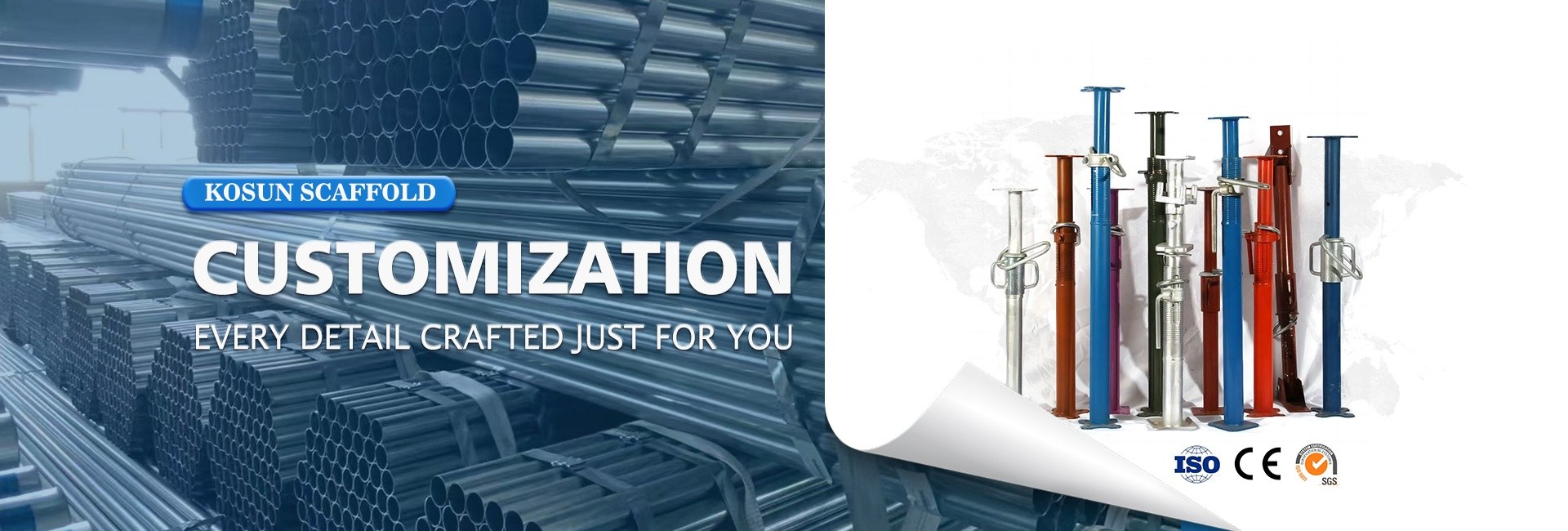
The ringlock system offers a wide range of standard sizes to accommodate different project requirements. However, for projects with unique specifications, custom ring scaffold system solutions are also available. This ability to tailor the scaffolding to meet specific needs ensures that it can be optimally configured for any project, providing both versatility and precision in application.
● Material Diameter and Specifications
Ringlock scaffolding components come in various diameters and specifications to suit different construction needs. For example, providing the necessary strength and stability for demanding projects. These specifications ensure that the scaffolding can meet the rigorous safety and performance standards required in the construction industry.
Conclusion: The Future of Ringlock Scaffolding in Construction
The ringlock scaffold system represents a significant advancement in scaffolding technology, offering unparalleled benefits in terms of versatility, efficiency, and durability. Its suitability for a wide range of construction applications, coupled with its ease of use and low maintenance requirements, make it an excellent investment for long-term projects. As the construction industry continues to evolve, the demand for innovative and adaptive solutions like the ringlock system will undoubtedly grow, solidifying its position as a leading choice for construction scaffolding.
Introducing Kosun
Hunan Kosun Metal Products Co., Ltd. is a leading scaffolding manufacturer known for designing, producing, and delivering high-quality scaffolding solutions worldwide. With over 15 years of industry experience, Kosun has established itself as a trusted partner for numerous global clients across Europe, Asia, the Americas, and beyond. The company offers a comprehensive range of products, including the best ring scaffold system, and prides itself on rigorous quality control, ensuring all products meet the highest safety and durability standards. Kosun aims to exceed customer expectations by providing innovative and reliable scaffolding solutions tailored to enhance the success of engineering projects globally.

Post time: 2025-02-10 18:01:07