

Introduction to steel planks in Construction
Steel planks are an essential component in the construction industry, primarily used in scaffolding systems. These planks offer significant advantages over traditional wooden boards including superior strength, durability, and load-bearing capacity. Typically, steel planks undergo surface treatments such as galvanization, powder-coating, or painting, which enhance their resistance to corrosion and adaptability to different weather conditions.
Types of Steel Planks and Their Features
Hook-On Scaffold Boards
Hook-on scaffold boards are equipped with hooks on both ends, allowing them to attach securely to scaffold ledgers and transoms. They often feature hook wind protection locks, ensuring stability during high wind conditions.
Plain Ends Steel Planks
In contrast to their hook-on counterparts, plain ends steel planks lack hooks and instead rely on scaffold board clamps or steel wires for secure placement. These planks are versatile and can be used in various scaffold configurations.
Material Composition and Treatments
Galvanized Steel
Galvanization is a popular treatment for steel planks, offering a protective zinc coating that prevents rust. This treatment significantly extends the lifespan of steel planks, making them suitable for outdoor and harsh environmental use.
Painted and Powder-Coated Steel
Steel planks can also be painted or powder-coated, offering an extra layer of protection and an aesthetically pleasing finish. While slightly less durable than galvanization, these treatments still provide robust defense against elements and are often used in urban construction settings.
Load-bearing Capacities of Steel Planks
Light, Medium, and Heavy Duty
Steel planks are categorized into light-duty, medium-duty, and heavy-duty based on their load-bearing capacities. Light-duty planks can support a single worker, medium-duty planks can support two workers, and heavy-duty planks can accommodate three workers simultaneously.
Compliance with Standards
Compliance with standards such as EN 12811 ensures that steel planks meet specific load class criteria, further ensuring safety and reliability in construction. Load classes can vary from Class 1 to Class 6, with each class tailored for specific construction scenarios.
Design Variations and Applications
Custom Design Options
Custom steel planks can be designed to meet specific construction needs, whether that involves unique dimensions or additional safety features such as anti-slip surfaces.
Application-Specific Uses
Steel planks are versatile in their application, used effectively in various scaffolding systems like ringlock, cuplock, and frame scaffolding. Their adaptability makes them an indispensable component in both commercial and residential construction projects.
Comparing Steel Planks with Aluminum and Wood
Weight and Durability
While steel planks are heavier than their aluminum counterparts, they offer superior durability and load-bearing capabilities. This makes them ideal for long-term and heavy-duty construction projects where strength is paramount.
Cost Efficiency
The initial cost of steel planks can be higher than wood; however, their extended lifespan and reduced need for replacement make them a cost-effective choice in the long run. Additionally, steel planks can be custom manufactured to meet specific project requirements, ensuring the best possible use of resources.
Customization and Standards Compliance
Factory Customization Options
Steel planks can be customized in various ways to meet project specifications. Whether it’s altering dimensions or adding extra features, specialized factories can produce planks that perfectly suit any construction requirement.
Adhering to International Standards
Ensuring compliance with international standards such as ISO, ANSI, and regional standards like European and Australian, is vital for the safety and effectiveness of steel planks. Factories offer comprehensive testing and certification to guarantee compliance.
Cost Considerations and Economic Impact
Initial Investment and Long-term Savings
The higher initial cost of steel planks is offset by their longevity and low maintenance needs. This makes them a prudent choice for projects that prioritize long-term durability over short-term savings.
Impact on Construction Budgets
By reducing the frequency of plank replacement and increasing safety, steel planks help optimize construction budgets. Their durability translates to fewer work interruptions, enhancing overall project efficiency.
Safety and Maintenance of Steel Planks
Routine Inspections and Maintenance
Regular inspections are essential to maintain the integrity of steel planks. Checking for signs of wear, rust, or structural damage ensures the safety of workers and the longevity of the planks.
Best Practices for Safe Use
Implementing best practices, such as proper storage and handling, further extends the lifespan of steel planks. Ensuring that planks are used in compliance with load capacities and design specifications is crucial for safe construction environments.
Conclusion: Choosing the Right Plank for Your Needs
Selecting the appropriate steel plank involves considering factors like load capacity, environmental conditions, and budget constraints. By understanding the specific needs of a construction project, professionals can choose planks that offer the best balance of cost, durability, and safety.
Kosun Provide Solutions
Kosun specializes in delivering high-quality steel planks tailored to meet the diverse needs of modern construction projects. With a focus on providing custom solutions that adhere to the highest safety and quality standards, Kosun offers a comprehensive range of planks designed for optimal performance. Whether your project requires standard or custom dimensions, our team is equipped to provide the best solutions that ensure safety, efficiency, and cost-effectiveness.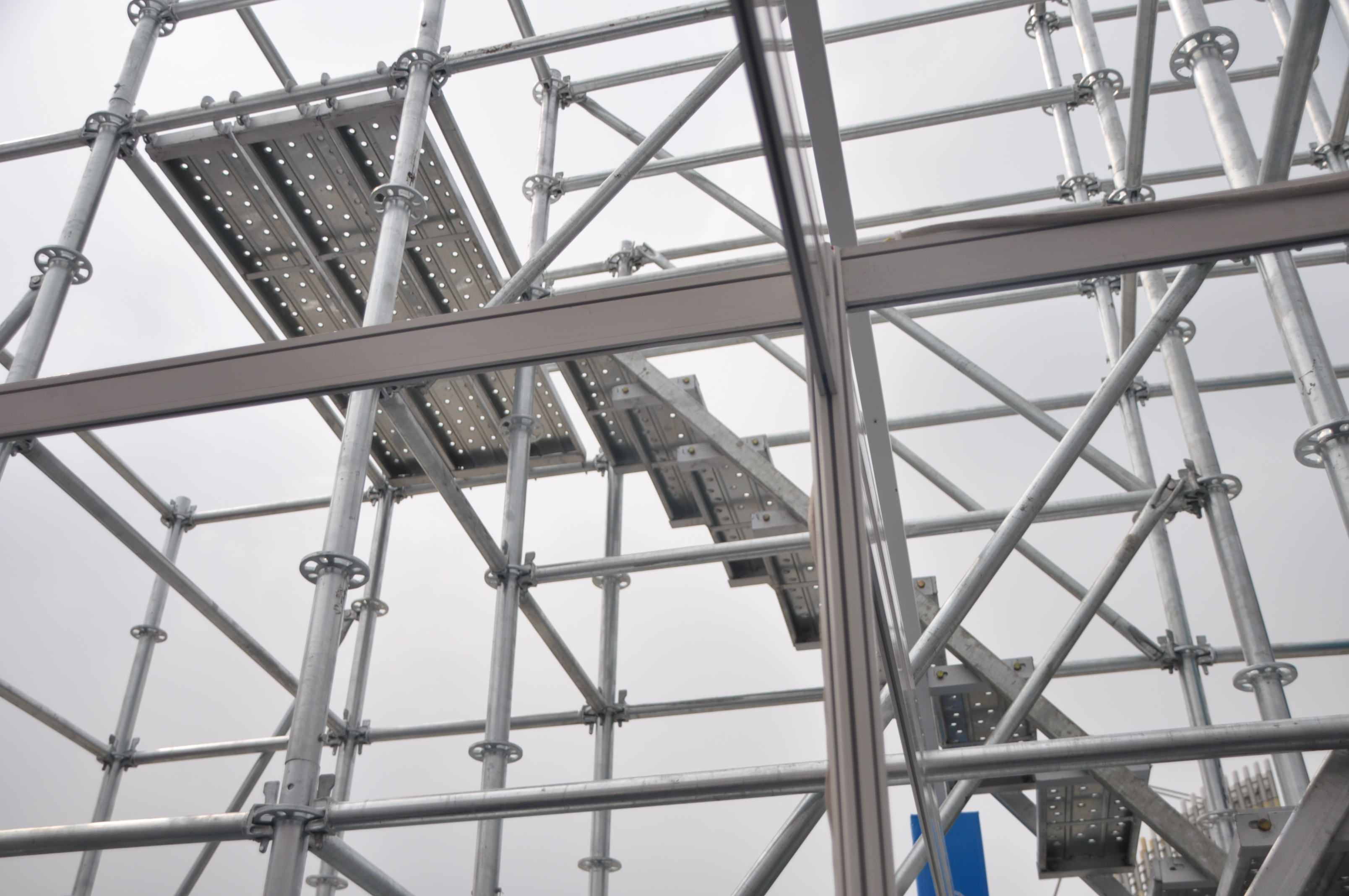
Post time: 2025-09-07 16:17:16