

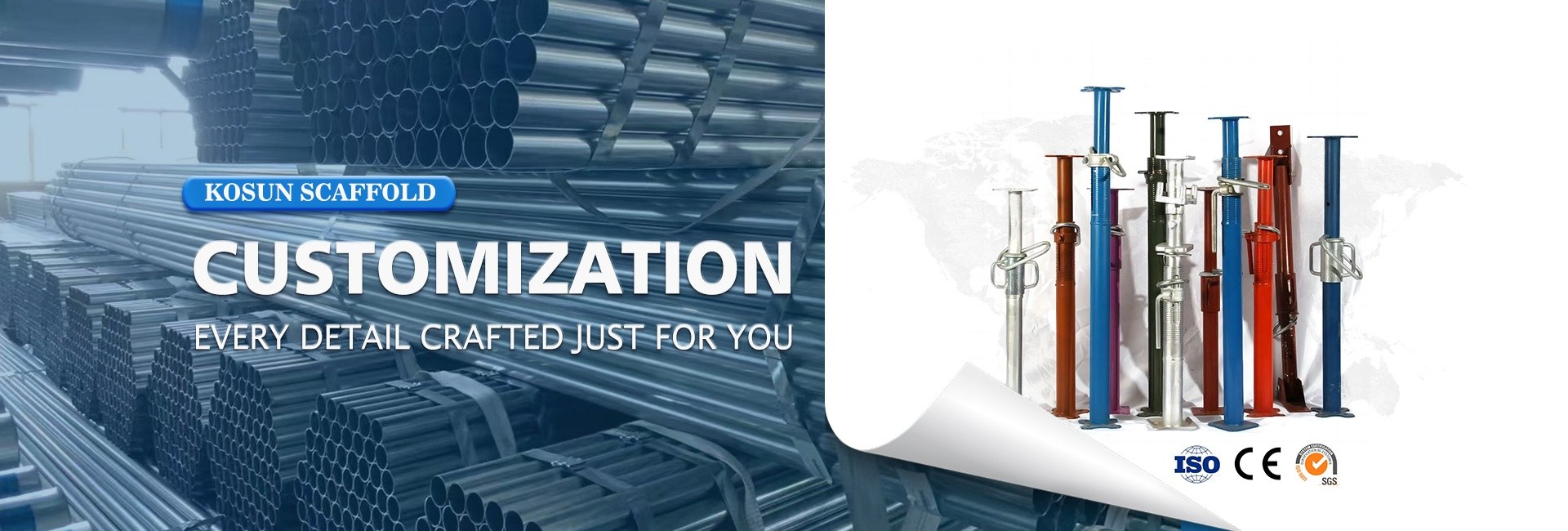
Trying to pick safe formwork prop tripods can feel like guessing which wobbly table at the café won’t spill your coffee—only this time, it’s your whole structure you’re worried about, not just a latte.
You solve this by following clear quality standards, checking certified products, and matching them to global rules like those discussed in the ISO safety requirements for temporary works equipment, so your tripod setup stays sturdy and compliant.
🔧 Defining Key Quality Criteria for Formwork Prop Tripods in Construction
High‑quality formwork prop tripods keep vertical props stable, reduce collapse risk, and support safe, fast concrete work on slabs, beams, and columns.
They must combine strong steel, accurate welding, and smooth joints so crews can install and adjust them quickly, even on busy or uneven construction sites.
1. Material Strength and Corrosion Protection
Formwork tripods use structural steel with controlled thickness and certified grades. Galvanizing or powder coating helps resist rust on sites with rain, dust, or concrete splash.
- Use certified steel grades with test reports
- Check coating thickness for long‑term protection
- Inspect weld seams and tripod joints regularly
2. Connection Design and Ease of Use
Tripods must lock to props firmly yet allow quick release. Simple clamps, pins, or sleeves help workers set and strip formwork without tools.
- Wide leg span for strong support
- Clear locking direction and markings
- No sharp edges around handles and pins
3. Compatibility with Different Prop Types
Quality tripods fit a range of prop diameters and heights. This flexibility lets one tripod family support many systems on the same project.
| Tripod Type | Typical Use |
|---|---|
| Formwork Prop Tripod | General slab and beam shoring |
| Steel Prop Tripod | Heavy‑duty formwork and scaffold support |
| Scaffolding Shoring Prop Tripod | Combined access and shoring systems |
4. Site Safety and Ergonomic Design
Tripods should open and close smoothly and remain stable on uneven ground. Clear color markings improve visibility, lowering trip hazards in dense rebar zones.
- Lightweight but rigid legs
- Anti‑slip foot plates or pads
- Bright finishes for easy spotting on site
🌍 International Safety Standards Governing Formwork Prop Tripod Design and Performance
Global standards define how prop tripods must perform under load, including strength, stability, and safe failure behavior during construction and concrete pouring.
Meeting these rules proves that design, materials, and factory control can deliver consistent, safe products for contractors in different regions.
1. Core Structural and Safety Standards
Prop tripods often follow EN 1065, EN 1090, and regional rules like OSHA or AS/NZS standards. These cover load tests, weld quality, and labeling.
- Defined load and safety factors
- Controlled welding and inspection steps
- Traceable markings on every unit
2. Certification and Third‑Party Assessment
Independent bodies audit factories, review drawings, and verify test reports. Their marks show that products are not only strong, but also consistent.
| Certification | Main Focus |
|---|---|
| CE / EN 1090 | Structural steel and welding quality |
| ISO 9001 | Quality management systems |
| Local Safety Marks | National jobsite safety rules |
3. Sample Global Adoption Data (Bar Chart)
Below is a simple example of how different regions may adopt key formwork tripod standards for modern construction projects.
4. Documentation and User Information
Standards require clear manuals that show load charts, setup steps, and warnings. Workers can then use tripods correctly, even under tight schedules.
- Easy‑to‑read load tables
- Simple assembly drawings
- Maintenance and inspection checklists
📏 Load Capacity, Stability, and Durability Requirements for Reliable Prop Tripods
Reliable formwork tripods must carry design loads safely, remain stable during vibration, and resist long‑term wear from weather and site handling.
1. Load Capacity and Safety Factors
Tripods support vertical props, not full slab loads. However, they must resist tipping and side forces with generous safety margins during pouring and striking.
- Tested at loads above working capacity
- Defined maximum prop height and weight
- Clear labels with safe limits
2. Stability on Real Jobsite Conditions
Tripod legs must spread wide and bear evenly on concrete, compacted soil, or timber bearers without sinking or sliding under vibration and wind.
- Balanced leg geometry
- Optional base plates or pads
- Secure locking to the prop shaft
3. Durability and Service Life
Repeated loading, transport, and storage can damage paint, pins, and welds. Durable tripods keep their shape and strength over many project cycles.
| Feature | Durability Benefit |
|---|---|
| Thick coating | Less rust, longer service life |
| Reinforced joints | Better fatigue resistance |
| Strong locking pins | Lower risk of sudden failure |
✅ Testing, Inspection, and Certification Processes for Compliant Formwork Prop Tripods
Structured testing and inspection ensure that each batch of formwork prop tripods meets design loads, stability limits, and safety expectations.
1. Type Testing in Accredited Laboratories
Before mass production, sample tripods undergo bending, buckling, and fatigue tests. Engineers then confirm safe working loads and safety factors.
- Static load tests to failure
- Repeated load cycling
- Checks on weld and material quality
2. Routine Factory Quality Control
During production, inspectors measure dimensions, coating thickness, and weld quality. They also verify that parts match approved drawings.
| Step | Main Check |
|---|---|
| Incoming steel | Grade and mill certificates |
| Fabrication | Weld size and position |
| Finishing | Coating and markings |
3. Certification Audits and Ongoing Compliance
Certification bodies visit factories on a schedule. They review records, witness tests, and ensure that quality systems stay active and effective.
- Annual or semi‑annual audits
- Sampling and random testing
- Corrective actions for any non‑conformance
🏆 Why Kosun Meets Global Certification Benchmarks for Formwork Prop Tripod Quality
Kosun designs and manufactures prop tripods to meet demanding global standards, helping contractors build safer and more efficient concrete structures.
1. Standards‑Driven Design and Engineering
Kosun engineers use international codes as the base for every new tripod model, then validate designs through testing and field feedback from real projects.
- Compliance with EN and other key standards
- Finite element checks for high‑risk points
- Continuous design improvement cycles
2. Certified Manufacturing and Traceability
Modern production lines, welding control, and serial number tracking allow Kosun to link each tripod to its materials and inspection record.
| Control Area | Benefit for Clients |
|---|---|
| ISO‑based quality system | Stable performance across batches |
| Full traceability | Fast root‑cause analysis if issues arise |
| Documented procedures | Clear evidence for project approvals |
3. Support for Global Contractors and Projects
Kosun provides technical data sheets, load charts, and training support so project teams can use tripods safely in different regions and climates.
- Detailed product manuals and drawings
- Quick response to design or approval queries
- Experience with export documentation and codes
Conclusion
Formwork prop tripods play a vital role in safe concrete construction. Strong materials, stable geometry, and proven testing keep workers protected and projects on schedule.
By meeting strict international standards and maintaining tight factory control, suppliers like Kosun give contractors confidence in every pour and every support point.
Frequently Asked Questions about formwork prop tripod
1. What does a formwork prop tripod do on site?
A formwork prop tripod stabilizes vertical props before concrete is poured. It prevents props from slipping or tipping while workers adjust heights and align formwork.
2. How do I choose the right tripod for my props?
Match the tripod to prop diameter, height range, and required load. Check the manufacturer’s load tables, safety factors, and any project‑specific standards.
3. How often should formwork prop tripods be inspected?
Inspect visually before every use and perform more detailed checks at regular intervals. Look for bent legs, cracked welds, damaged pins, or heavy rust.
4. Can one tripod model work with different prop brands?
Often yes, if diameters fit and the locking system is compatible. Always confirm with the supplier and never exceed the lowest rated capacity.
5. Why are international certifications important for tripods?
Certifications prove that design, materials, and production follow strict rules. This helps safety managers and engineers approve the system for critical work.
Post time: 2026-03-08 20:36:04