

The construction and maintenance industry hinges significantly on the efficient and safe use of scaffolding systems. Whether you're working with custom scaffolding systems or exploring the best scaffolding systems available, understanding the guidelines for their erection and operation is vital. This article delves into the intricacies of scaffolding systems, focusing on ensuring safety, structural integrity, and operational efficiency.
Introduction to Scaffolding Systems
Scaffolding systems are indispensable across construction sites worldwide. These structures allow workers to reach heights safely and efficiently, providing the necessary support for carrying out various tasks. Scaffolding systems manufacturer and suppliers offer a variety of types, each designed to meet specific construction needs. These include traditional tube and coupler systems, as well as more modern modular designs, each with its unique advantages and applications.
● Importance in Construction
Scaffolding systems are crucial for both small and large construction projects, providing a stable and secure platform for workers. They not only facilitate access to elevated areas but also enhance productivity by ensuring that equipment and materials are within reach. The significance of scaffolding extends beyond construction to include sectors like event staging, where they are used for constructing stages and displays.
● Overview of Types and Applications
The scaffolding industry offers a range of systems tailored to different projects. Custom scaffolding systems allow for bespoke solutions tailored to unique site requirements. Meanwhile, standardized systems, such as those provided by leading scaffolding systems factories, offer modularity and ease of use, catering to a wide array of projects, from residential buildings to complex infrastructure projects.
Foundation and Support Assembly
The foundational phase of erecting scaffolding systems is critical to ensuring safety and stability. A well-constructed base is fundamental to the entire structure's integrity, affecting its load-bearing capacity and overall safety.
● Steps for Constructing a Stable Base
Constructing a stable scaffolding base begins with a thorough site inspection. The ground must be level and free from debris to provide a solid foundation. Once the site is prepared, base plates and mudsills are installed to distribute weight evenly and prevent sinking. Erecting vertical supports follows, ensuring they are plumb and evenly spaced. This meticulous process minimizes risks and sets the stage for a secure structure.
● Importance of Compliance with Standards
Adhering to industry standards during the assembly of scaffolding systems is non-negotiable. Compliance ensures that the scaffolding can safely support the intended loads and withstand environmental conditions. Scaffolding systems suppliers are well-versed in these standards, offering products that meet strict safety criteria. This adherence not only protects workers but also shields project managers from legal liabilities.
Inspection of Joints and Connections
Inspecting joints and connections is a pivotal phase in scaffolding erection, determining the structure's safety and longevity.
● Methods for Ensuring Structural Integrity
Regular inspections are crucial in maintaining the structural integrity of scaffolding systems. This includes checking for secure connections at joints and corners, ensuring that components are correctly fitted and locked. A systematic approach to inspections, often supported by checklists, helps in identifying potential issues before they escalate.
● Role of Certified Safety Reviews
A certified safety review is a comprehensive assessment conducted by qualified professionals to verify the scaffolding's compliance with safety regulations. These reviews are essential, especially in complex or high-risk projects, ensuring that every aspect of the scaffolding system has been constructed and maintained according to industry best practices. Engaging reputable scaffolding systems suppliers who offer inspection services can be beneficial in this regard.
Material Quality and Site Conditions
The quality of materials and site conditions play a significant role in the safety and effectiveness of scaffolding systems.
● Importance of Moisture Control
Moisture can significantly impact the durability and safety of scaffolding systems. Metal components are susceptible to corrosion when exposed to moisture, compromising the structure's integrity. Therefore, storing materials in a dry environment and conducting regular inspections for signs of rust or water damage is essential. This is where the expertise of top scaffolding systems manufacturers becomes invaluable, as they provide materials designed to withstand environmental challenges.
● Detecting Deformities and Corrosion
Regular inspections should focus on identifying deformities and corrosion, particularly in high-stress areas like joints and supports. Early detection allows for immediate corrective action, preventing potential failures. Working with a reputable scaffolding systems supplier ensures access to high-quality materials that resist wear and tear, enhancing safety and longevity.
Structural Integrity and Safety Measures
Safety measures are integral to scaffolding operations, protecting both the workers and the project itself.
● Evaluating Fasteners and Connections
Fasteners and connections are the backbone of any scaffolding system, and their evaluation is crucial for ensuring safety and stability. This involves checking for tightness and signs of wear, replacing any damaged components immediately. Scaffolding systems manufacturers often provide guidelines and tools to aid in these evaluations, simplifying the process for site managers.
● Implementing Fall Protection and Safety Gear
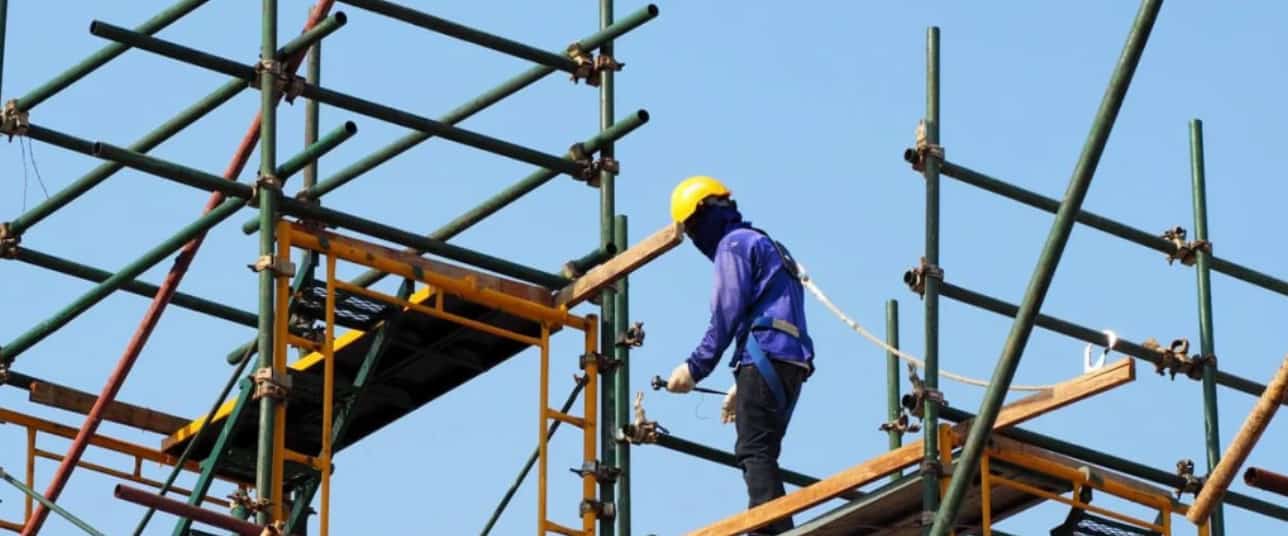
Fall protection is a mandated safety measure in scaffolding operations. Guardrails, safety nets, and personal fall arrest systems must be installed and maintained to safeguard workers. Additionally, ensuring that workers use appropriate safety gear, such as helmets, harnesses, and non-slip footwear, is essential. Training workers on the proper use and maintenance of safety gear enhances overall site safety.
Routine Maintenance and Prohibitions
Routine maintenance ensures the longevity and safety of scaffolding systems, preventing accidents and equipment failure.
● Schedule for Periodic Evaluations
Establishing a schedule for periodic evaluations is a proactive approach to scaffolding maintenance. Regular inspections help identify wear and tear early, allowing for timely repairs. This preventive maintenance extends the life of the scaffolding, reducing long-term costs. Scaffolding systems suppliers often offer maintenance services, providing expert evaluations and recommendations.
● Avoiding Unauthorized Modifications
Unauthorized modifications can compromise the safety and integrity of scaffolding systems. It's crucial to prohibit unapproved changes and ensure that any necessary adjustments are performed by qualified personnel. This adherence to protocol maintains the scaffolding's compliance with safety standards, protecting workers and the project.
Certifications and Qualifications for Inspectors
Qualified inspectors play a vital role in maintaining scaffolding safety and compliance.
● Importance of Valid Credentials
Inspectors with valid credentials are equipped with the knowledge and skills to assess scaffolding systems effectively. Their expertise ensures that all safety and structural aspects are thoroughly evaluated, identifying potential hazards and recommending corrective actions. Collaborating with experienced scaffolding systems manufacturers can facilitate access to certified inspection services.
● Training Requirements for Safety Inspectors
Ongoing training is essential for safety inspectors to stay updated on the latest industry standards and practices. This continuous education ensures that inspectors can provide accurate assessments and guidance, contributing to a safer work environment. Reputable scaffolding systems suppliers often offer training programs to support inspector development and competence.
Advantages and Versatility of Scaffolding
The versatility and efficiency of scaffolding systems make them a staple in construction and industrial applications.
● Modular Design Benefits
The modular design of modern scaffolding systems simplifies assembly and disassembly, reducing labor costs and saving time. This flexibility allows for easy adaptation to various project needs, making them suitable for complex and changing environments. Leading scaffolding systems factories provide modular systems that enhance productivity and safety on site.
● Support for Diverse Construction Needs
Scaffolding systems are designed to support a wide range of construction needs, from small residential projects to large-scale infrastructure developments. Their adaptability and strength make them ideal for diverse applications, including maintenance, repairs, and new constructions. Custom scaffolding systems can be tailored to meet specific project requirements, offering optimal solutions for any site.
Global Applications and Industrial Use
Scaffolding systems are utilized globally, reflecting their essential role in various industries.
● Scaffolding in Infrastructure Projects
Infrastructure projects, such as bridges and tunnels, rely heavily on scaffolding systems for construction and maintenance. These systems provide the necessary support for workers and materials, enabling the safe and efficient completion of large-scale projects. Partnering with an experienced scaffolding systems supplier ensures access to high-quality products designed for demanding applications.
● Adaptability Across Different Industries
Beyond construction, scaffolding systems are employed in industries such as petrochemical, shipbuilding, and event staging. Their adaptability to different environments and requirements makes them a valuable asset across sectors. Innovative solutions from top scaffolding systems manufacturers continue to expand their applications, driving industry growth.
Conclusion: Ensuring Safe Scaffolding Practices
Ensuring safe scaffolding practices involves a comprehensive understanding of components, assembly, inspection, and maintenance. By adhering to industry standards and leveraging the expertise of leading scaffolding systems suppliers, project managers can safeguard workers and ensure successful project outcomes. The commitment to safety and quality in scaffolding systems continues to evolve, driven by innovations and advancements in materials and design.
● Company Introduction
Kosun is a professional scaffolding manufacturer and exporter, committed to delivering safe and reliable scaffolding solutions globally. From design to production and sales, our team prioritizes "responsible, customer-first" service, ensuring excellence in every detail. Based in Tianjin, our factory boasts advanced production lines, producing high-demand scaffolding products for diverse applications. As an experienced OEM, Kosun maintains strict quality control, offering innovative, high-quality products that meet and exceed industry standards. Our mission is to be a trusted partner, providing exceptional scaffolding products and services worldwide.
Post time: 2025-04-10 15:13:02