

Introduction to Height Safety Measures
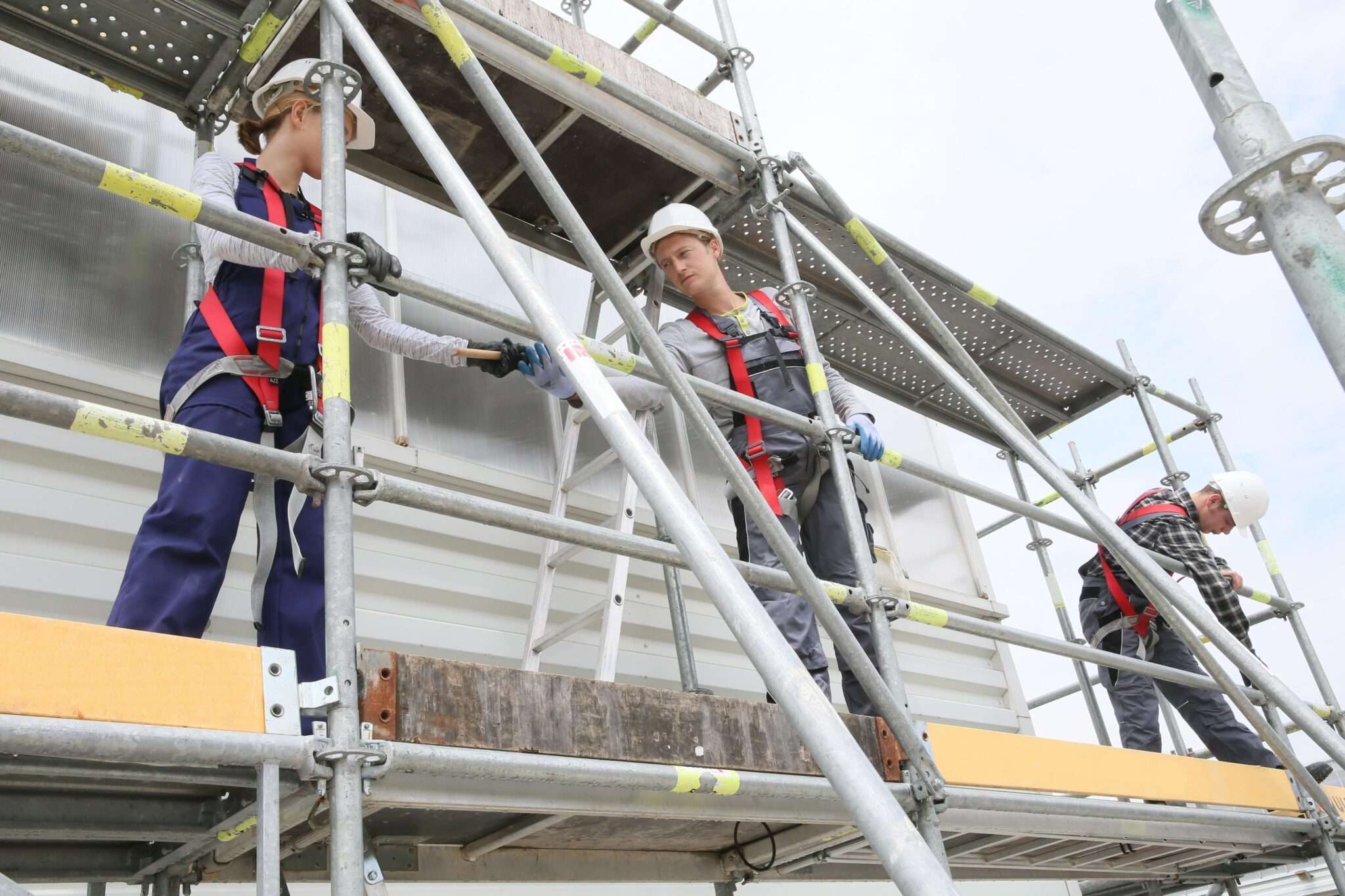
Ensuring the safety of workers when working at height is a critical concern for any construction project. The risks associated with heights are serious, and effective safety measures need to be implemented to prevent accidents. Integrating side protection and toe boards into scaffolding or working platforms is essential to safeguarding those on-site. This article will explore the necessity and implementation of these safety features, ensuring that professionals engage with best practices for height safety.
Understanding Toe Boards
● Definition and Purpose of Toe Boards
Toe boards are vital components of any scaffolding or working platform, designed to prevent tools, materials, and debris from accidentally falling off the edge. Positioned along the lower edge of the platform, these boards act as barriers that protect workers on the ground and ensure the stability of materials that could otherwise slip off.
● Standards and Specifications for Toe Boards
When planning the installation of toe boards, it's critical to adhere to industry standards. A typical toe board, recommended to be at least 150mm in height, must be securely fastened to the scaffolding structure. Compliance with these specifications ensures that the toe boards function efficiently and support the safety protocols in place.
Implementing Side Protection Systems
● Types of Side Protection: Guardrails and Handrails
Guardrails and handrails are the most common forms of side protection used in scaffolding or working platforms. These structures provide a physical barrier to prevent falls, which are among the most perilous risks in construction projects.
● Specifications for Side Protection Systems
Side protection systems should have a minimum height of 1 meter and must be capable of withstanding a lateral force of at least 100 newtons. The strength and stability of these protections are crucial in maintaining a secure working environment at heights.
Proper Installation Techniques
● Ensuring Secure Attachment of Toe Boards
Proper installation of toe boards is fundamental. They must be securely fastened to withstand any expected loads and remain intact during operations. This involves using suitable materials and fasteners that complement the specific scaffolding or working platform in use.
● Guidelines for Installing Side Protection
Installing side protection requires precision and adherence to guidelines to ensure effectiveness. Guardrails and handrails must be fitted securely and checked for durability. Using best scaffolding or working platform practices from reputable manufacturers ensures quality and compliance with safety regulations.
Safety Training and Awareness
● Training Programs for Workers at Height
Effective height safety relies heavily on the competence and awareness of workers. Implementing comprehensive training programs ensures that workers understand the importance and correct usage of side protection and toe boards.
● Importance of Understanding Safety Measures
Educating workers about the risks associated with working at height and the role of safety features is paramount. Proper understanding leads to more cautious and informed behavior, reducing the likelihood of accidents.
Routine Inspections and Maintenance
● Procedures for Regular Safety Checks
Routine inspections are crucial in maintaining the integrity and effectiveness of safety measures like toe boards and side protection. Regular checks allow for the early identification of wear and tear, which can compromise safety.
● Addressing Damaged or Loose Components
Any damaged or loose components must be addressed immediately. Swift action in repairing or replacing faulty parts ensures that the scaffolding or working platforms remain safe for use, thus protecting workers and the work site.
Compliance with Safety Regulations
● Overview of Relevant Safety Standards
Compliance with established safety standards is not optional; it is a critical obligation for construction sites. Understanding and adhering to regulations ensures that safety measures meet the necessary criteria for protecting workers at height.
● Consequences of Non-Compliance
Failure to comply with safety regulations can result in severe consequences, including legal repercussions, fines, and increased risk of accidents, which can damage a company’s reputation and result in loss of life or injury.
Innovative Safety Solutions
● New Technologies in Height Safety
The scaffolding industry continually evolves with new technologies enhancing safety measures. Innovations such as advanced materials, automated inspections, and smart systems for monitoring conditions are transforming how safety is managed on-site.
● Advancements in Protective Equipment
Recent advancements in protective equipment provide enhanced security for workers. From harness systems to improved deadweight anchors, the continuous development of safety gear means that working at height can be safer than ever.
Case Studies and Real-Life Examples
● Lessons Learned from Past Incidents
Analyzing past incidents where safety measures failed provides valuable insights. Understanding what went wrong in previous cases helps refine current practices and prevent repeat occurrences.
● Successful Implementation of Safety Measures
Highlighting successful implementations of side protection and toe boards demonstrates the effectiveness of these measures. Case studies showcasing effective safety management highlight the importance of adhering to standards and utilizing high-quality scaffolding or working platforms.
Conclusion and Best Practices
● Summary of Key Points
The implementation of side protection and toe boards is essential for safety when working at height. By adhering to specifications, ensuring proper installation, and maintaining routine inspections, construction sites can significantly reduce risks.
● Recommendations for Effective Height Safety Management
Employing best practices such as continuous training, regular maintenance, adherence to regulations, and adoption of innovative solutions ensures a safe environment for workers. Choosing a reliable scaffolding or working platform supplier, like Kosun, can further enhance safety outcomes.
Company Introduction: Kosun
Hunan Kosun Metal Products Co., Ltd. is a leading scaffolding company with design, production, sales, and logistics abilities in China. We focus on providing customers with safe, reliable, and innovative scaffolding solutions. With over 15 years of experience in the scaffolding industry, we serve customers in Europe, Southeast Asia, North America, South America, Australia, New Zealand, and the Middle East. Our mission is to be a trusted partner, helping customers succeed in their engineering projects through excellent products and services.
Post time: 2025-03-19 16:30:06