

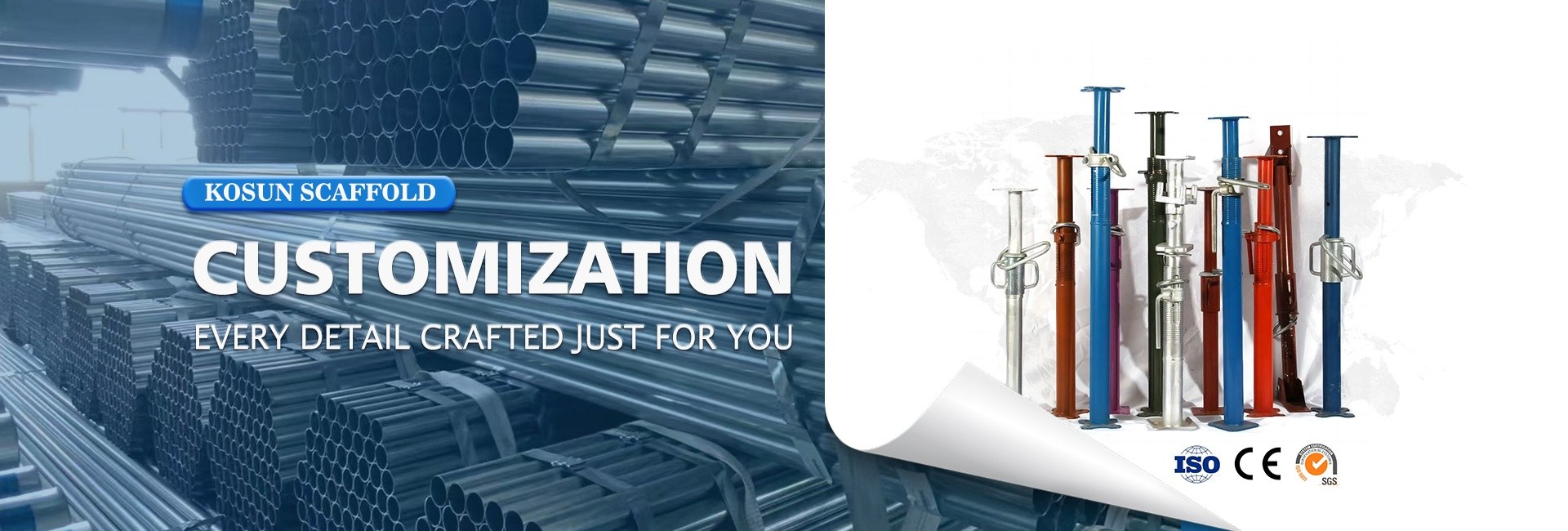
In the construction industry, the handling and transport of scaffolding pipes are critical tasks that require meticulous planning and execution to ensure safety and efficiency. With the variety of scaffolding pipes—be it custom scaffolding pipes, the best scaffolding pipes, or those provided by various scaffolding pipes manufacturers, factories, and suppliers—choosing the right method for loading and transporting these essential materials is paramount. This article explores the best practices and methods for loading scaffolding pipes using cranes and forklifts, providing a comprehensive guide for industry professionals.
Preparing the Loading Area
● Importance of a Clear, Level, and Stable Area
Before commencing the loading of scaffolding pipes, it's crucial to prepare the loading area. A well-organized space not only elevates efficiency but also ensures the safety of all personnel involved. The area should be cleared of any unnecessary equipment or debris that might hinder the loading process. Achieving a level and stable ground is essential in preventing accidents, especially when heavy equipment such as cranes and forklifts are in use.
● Removing Obstacles and Debris for Safety
Safety is a non-negotiable priority when handling heavy equipment and materials like scaffolding pipes. Obstacles can lead to catastrophic accidents during loading operations. Therefore, a thorough inspection of the loading site to identify and remove any potential hazards is necessary. This practice helps in maintaining a smooth workflow and enhances the overall safety of the operation.
Inspection and Safety Checks
● Conducting Thorough Inspections of Cranes and Forklifts
Before any loading process begins, ensuring that the equipment is in optimal condition is crucial. Both cranes and forklifts must undergo a rigorous inspection to ascertain their readiness for the task. This includes checking for any mechanical faults or maintenance issues that might compromise safety or efficiency.
● Checking Lifting Capacities and Equipment Conditions
Understanding the lifting capacities of your equipment is vital. Both cranes and forklifts are designed to handle specific weights, and overloading them can lead to equipment failure and accidents. By verifying the equipment’s capabilities, workers can avoid overloading and ensure that the scaffolding pipes are transported safely and effectively.
Choosing the Right Equipment
● Comparing Crane and Forklift Capabilities
Choosing between a crane and a forklift for loading scaffolding pipes depends on several factors, including the weight and size of the load, the space available, and the distance the pipes need to be moved. Cranes are typically better suited for larger, heavier loads and when operating in areas where vertical lifting is required. Forklifts, on the other hand, excel in maneuverability and are ideal for transporting materials over shorter distances on level ground.
● Selecting Equipment Based on Scaffold Tube Weight
The weight of the scaffolding pipes plays a decisive role in equipment selection. Custom scaffolding pipes, depending on their specifications, might require specialized equipment. It is essential to match the pipe weight with the lifting capacity of the crane or forklift to ensure safe and efficient handling. Consulting with scaffolding pipes manufacturers or suppliers can provide insight into the best equipment choice for specific scaffolding types.
Securing Scaffold Tubes for Lifting
● Proper Use of Lifting Slings and Chains with Cranes
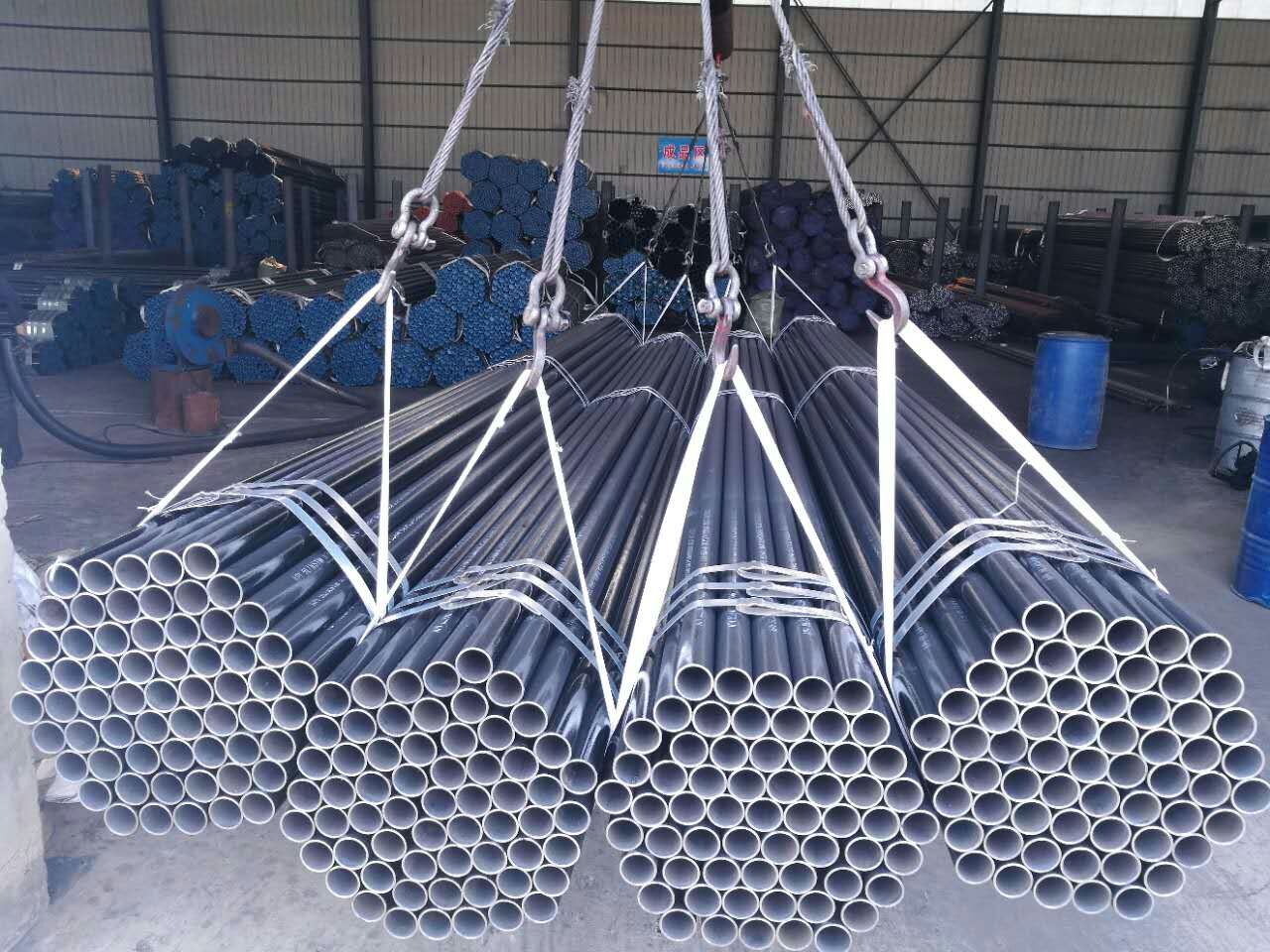
When using cranes to lift scaffolding pipes, securing them with the appropriate lifting slings or chains is mandatory. These should be chosen based on the weight and dimensions of the pipes to ensure a balanced and secure lift. Properly securing the load helps prevent tilting or slipping, which could lead to accidents or damage.
● Balancing Scaffold Tubes on Pallets for Forklifts
In the case of forklifts, scaffolding pipes should be stacked neatly and securely on pallets. This ensures that the load remains balanced during transport. Proper stacking techniques and the use of additional securing mechanisms, such as straps, can greatly enhance the stability and safety of the load.
Crane Operation Techniques
● Steps for Safely Lifting Scaffold Tubes with a Crane
Operating a crane requires precision and caution. The lifting process should be slow and controlled, avoiding any sudden movements that might destabilize the load. Operators should maintain clear communication with ground personnel to coordinate movements effectively.
● Importance of Slow, Controlled Movements
Smooth, deliberate movements are key to preventing accidents when lifting heavy loads. By maintaining control throughout the lifting process, operators can ensure that the scaffolding pipes are transported safely to their destination.
Forklift Operation Techniques
● Positioning Forklift for Stability and Proper Lifting
Proper positioning of the forklift is essential for stability. The forks must be placed evenly under the load to prevent tilting. By ensuring the forklift is stable and level before lifting, operators can avoid accidents and ensure a secure transportation process.
● Ensuring Secure and Balanced Load During Transport
Throughout the transport process, keeping the load balanced is crucial. Operators should avoid sharp turns or sudden stops that might cause the scaffolding pipes to shift. Regular checks along the route help ensure that the load remains secure.
Transporting Scaffolding Safely
● Methods for Moving Scaffold Tubes with Cranes
For long distances or challenging terrains, cranes offer an effective solution for moving scaffolding pipes. When using a crane, it's important to consider the path of movement and potential obstacles. Careful planning and execution can lead to a safe and efficient transport process.
● Forklift Strategies for Maintaining Load Balance
With forklifts, maintaining load balance involves careful driving and adherence to the planned route. Transporting over smooth, even ground minimizes risks, and operators should remain vigilant to ensure the load's stability throughout the journey.
Placement of Scaffold Tubes
● Lowering and Positioning Tubes in Designated Areas
The final step in the transport process is the safe placement of scaffolding pipes in their designated locations. Whether using a crane or forklift, lowering the pipes gently and aligning them correctly can prevent damage and ensure readiness for use in construction projects.
● Ensuring Stability and Alignment Upon Delivery
After placing the scaffolding pipes, it's important to verify their stability and alignment. This ensures that they are ready for assembly or storage, contributing to an efficient workflow and minimizing the risk of future accidents.
Maintenance and Regular Checks
● Importance of Routine Maintenance on Lifting Equipment
Routine maintenance of cranes and forklifts is essential in preventing equipment failure. Regular checks and timely repairs ensure that the equipment remains operational and safe for use, reducing the risk of breakdowns during critical tasks.
● Identifying and Addressing Potential Issues Promptly
Prompt identification and resolution of equipment issues can prevent accidents and ensure the long-term reliability of cranes and forklifts. Regular training for operators can aid in recognizing potential problems early on.
Adhering to Safety Guidelines
● Comprehensive Overview of Safety Regulations
Adherence to safety regulations is a fundamental aspect of using heavy equipment for loading scaffolding pipes. Familiarity with industry standards and guidelines ensures compliance and protects both workers and materials during operations.
● Emphasizing the Importance of Safety in Loading Processes
Emphasizing safety in every step of the loading and transport process is crucial. By fostering a culture of safety, construction sites can minimize risks and ensure that scaffolding pipes are handled with the utmost care and professionalism.
● Introducing Kosun: A Leader in Scaffolding Solutions
Hunan Kosun Metal Products Co., Ltd. stands as a beacon of excellence in the scaffolding industry. With over 15 years of experience, Kosun has established itself as a leading scaffolding company, excelling in design, production, sales, and logistics. Our extensive product range—which includes scaffolding tubes, couplers, and various systems—is a testament to our commitment to quality and innovation. At Kosun, we pride ourselves on creating safe and reliable scaffolding solutions, serving a diverse international clientele and contributing to the success of numerous engineering projects worldwide.
Post time: 2025-03-21 17:14:03