


On construction sites, scaffolding is an indispensable temporary structure during construction. It provides a working platform for workers while also helping ensure project progress and quality. However, the safety of scaffolding is equally important and must not be neglected.
I.workers erecting scaffolding must undergo professional training and obtain relevant qualifications or certificates. This is because the erection and dismantling of scaffolding are highly technical tasks that require specific professional knowledge and practical skills. Only those who have received professional training and hold qualification certificates can ensure the safe and reliable erection and dismantling of scaffolding.
II. It is strictly prohibited to mix wooden or bamboo scaffolding with steel scaffolding. When the overall height exceeds 3 meters, the use of single-row scaffolding is prohibited. This is because wooden or bamboo scaffolding and steel scaffolding differ significantly in terms of load-bearing capacity and stability. Mixing them can easily compromise the overall stability of the scaffolding, leading to safety incidents. Additionally, single-row scaffolding cannot guarantee stability when the height exceeds 3 meters; its use is prohibited.
III.the foundation of the scaffolding must be level and solid, with drainage measures in place. The scaffolding structure must be supported by base plates (supports) or full-length scaffold boards. This is because the stability of the scaffolding is closely related to the levelness, solidity, and drainage of the foundation. If the foundation is uneven or unstable, the scaffolding is prone to tilting or deformation. Similarly, without proper drainage, accumulated water can cause the foundation to become damp, affecting its stability.
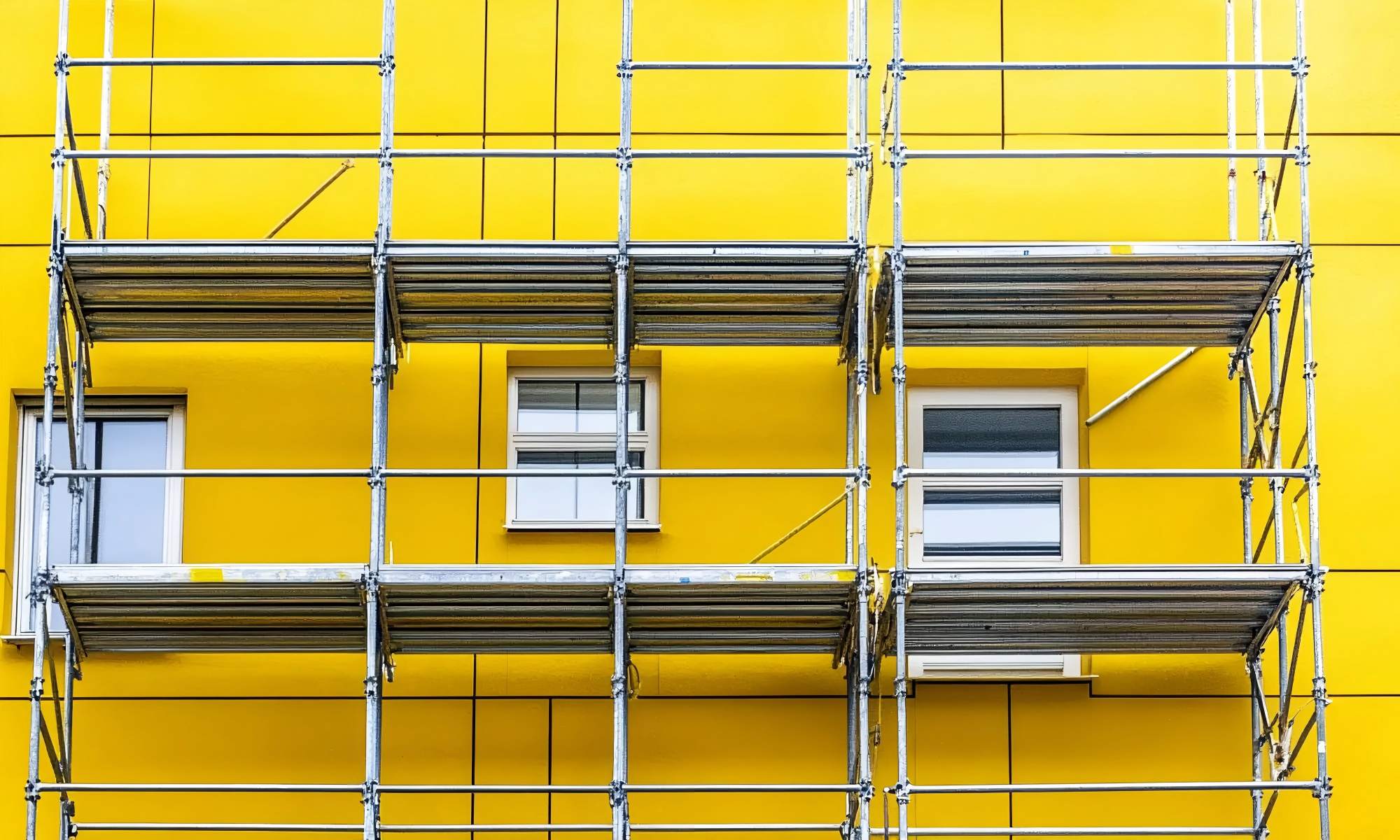
IV.the working surface of the scaffolding must be fully covered with scaffold boards, and the distance between the scaffold boards and the wall should not exceed 20 centimeters. There should be no gaps, protruding boards, or loose boards. The outer side of the working surface should be equipped with guardrails and a 10-centimeter-high toe board. This is to ensure the safety of workers on the scaffolding. If the distance between the scaffold boards and the wall is too large or if there are gaps, protruding boards, or loose boards, workers may easily slip or fall during operation. The installation of guardrails and toe boards can effectively prevent workers from falling off the edges of the working surface.
V.the scaffolding structure must be enclosed with dense-mesh safety nets along the inner side of the outer scaffold. The safety nets must be tightly sealed, securely connected, and fixed to the scaffolding structure. This is to prevent debris, tools, and other objects from falling from heights during construction, which could cause harm to people and equipment below. Additionally, the enclosed dense-mesh safety nets can also serve as a dust prevention measure, improving the construction environment.
In summary, scaffolding safety is an extremely important issue in construction and requires adequate attention and strict oversight. Only by ensuring the safety of scaffolding can the smooth progress of construction and the safety of workers' lives be guaranteed.
Post time: 2026-02-04 13:42:00