

Introduction to Industrial Scaffolding
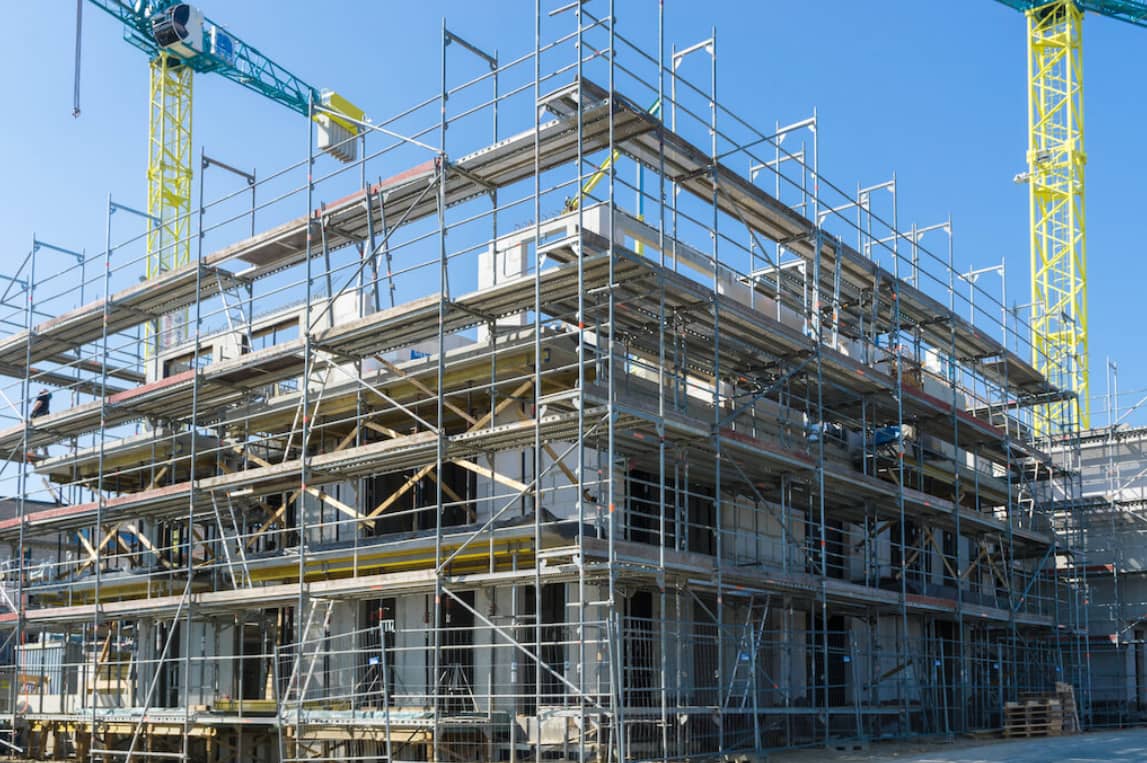
Industrial scaffolding is a critical component in the construction and maintenance of large structures, providing a safe and stable platform for workers to perform their tasks. Various types of scaffolding exist, each serving a distinct purpose and offering unique advantages. Custom industrial scaffolding solutions are often required to meet specific project needs, leveraging the expertise of industrial scaffolding manufacturers and suppliers to ensure optimal design and functionality.
Foundation Preparation for Scaffolding Installation
● Importance of a Solid Foundation
A secure start to any scaffolding project lies in the establishment of a solid foundation. The foundation not only supports the entire structure but also ensures the safety and stability of the scaffolding. Therefore, it is crucial to evaluate the ground conditions where the scaffolding will be set up. The foundation must be strong enough to bear the weight of the scaffolding and the load it will support, and any discrepancies in the ground level should be addressed before installation begins.
● Steps to Properly Prepare and Level the Ground
To prepare the ground for scaffolding, begin by clearing the site of debris and leveling the surface. Grading may be necessary to provide an even foundation, and compacting the soil can enhance stability. In situations where the natural ground does not provide adequate support, additional measures such as concrete footings or base plates may be required. Each step in this preparatory phase is vital to the safe and efficient setup of industrial scaffolding.
Initial Frame Installation Process
● Setting Up the First Step Frame
The first step frame of the scaffolding serves as the base upon which the entire structure is built. This process involves carefully assembling the initial frame components, ensuring all connections are secure. The first frame must be precisely placed to align with the overall design, as any deviations can affect the stability and integrity of the scaffolding.
● Ensuring Stability with Secure Placements
Proper installation of the initial frame includes fastening it securely to the foundation using appropriate ties and anchors. Best industrial scaffolding practices involve constantly checking for firm connections and making any necessary adjustments during the installation process. This attention to detail helps prevent issues as additional layers are added.
Shear Support and Stability Reinforcement
● Role of Shear Support in Scaffolding
Shear support is fundamental to maintaining the horizontal stability of the scaffolding structure. These supports help distribute loads evenly and prevent lateral movements, which can compromise the scaffolding's strength.
● Techniques for Effective Shear Support Installation
Installing shear supports involves placing diagonal braces at key points on the scaffolding. This is often achieved using cross-bracing techniques, which require precise measurements and secure fastening. The placement of shear supports should be calculated based on the specific demands of the project and the recommendations of an industrial scaffolding supplier, ensuring maximum stability.
Step Board Placement and Core Insertion
● Proper Method for Laying Step Boards
Step boards provide a platform for workers and should be installed meticulously, ensuring level placement and secure attachment. High-quality materials and careful alignment with the scaffolding's framework are paramount to prevent accidents and maintain a safe working environment.
● Inserting Core Supports for Enhanced Safety
Core supports serve as the backbone of scaffolding platforms. These supports are inserted at regular intervals along the step boards, reinforcing the platform and allowing it to bear heavier loads. The strategic placement and integration of core supports are essential to the safety and functionality of industrial scaffolding systems.
Installing Subsequent Door Frames
● Process for Adding Additional Scaffolding Layers
Once the base and initial supports are firmly in place, the installation of subsequent door frames can proceed. This involves extending the scaffolding upwards by connecting additional frames, each aligned with the ones below. Careful attention to alignment and connection integrity ensures that the added height does not compromise the structure's stability.
● Maintaining Alignment and Balance
Each layer added to the scaffolding must be balanced and aligned with precision. As the structure grows, it's vital to continually assess the weight distribution and make adjustments as necessary. Custom industrial scaffolding solutions often require tailored approaches to maintain balance, especially when dealing with complex architectural designs.
Secure Connections with Locking Arms
● Function of Locking Arms in Scaffolding
Locking arms play a crucial role in securing different sections of the scaffolding together, preventing unintended movement or collapse. Their strategic placement and secure fastening are critical to the structure's overall integrity.
● Methods to Ensure Tight and Secure Connections
Ensuring the effectiveness of locking arms involves regular inspections and maintenance. Industrial scaffolding manufacturers typically provide guidelines on how to properly attach these components, using high-quality materials that withstand the rigors of construction environments.
Connecting Scaffolding to Building Corners
● Use of Rods and Pipes for Corner Connections
Connecting scaffolding to building corners requires the use of rods and pipes that integrate with the existing structure without causing damage. These connections are pivotal in transferring loads and maintaining the scaffolding's orientation.
● Importance of Corner Rigidity and Stability
Achieving rigidity at corners is vital for the scaffolding's stability. Installations must account for the potential forces acting on these areas, using reinforced connections and additional supports if necessary. Collaborating with an experienced industrial scaffolding factory can provide valuable insights into achieving optimal corner stability.
Reinforcing Building Entrances and Exits
● Special Considerations for Entrances and Equipment Holes
Entrances, exits, and areas with equipment holes require special attention due to their inherent structural weaknesses. Scaffolding systems must be designed to accommodate these features without hindering accessibility or compromising safety.
● Use of Inclined Steel Pipes for Reinforcement
Inclined steel pipes are often employed to reinforce vulnerable areas, adding strength and preventing collapse. These pipes are strategically placed to support loads while maintaining the functional integrity of entrances and exits.
Special Considerations for Heights Over 50m
● Strategies for Scaffolding on Steel Beams
When scaffolding must reach heights over 50 meters, it is advisable to erect the structure on steel beams. This provides a more rigid and secure foundation, capable of supporting the increased load and height.
● Importance of Pre-Planned Construction Plans
Tackling projects of this scale necessitates comprehensive planning and collaboration with industrial scaffolding suppliers. Detailed construction plans ensure that every aspect of the scaffolding system is designed and implemented to meet safety standards and project specifications.
Dismantling Scaffolding with Safety Measures
● Steps to Safely Dismantle Scaffolding
Dismantling scaffolding is as critical as its installation. A methodical approach is essential to prevent accidents and ensure the safety of workers and the surrounding environment. Debris and safety hazards must be cleared before dismantling begins.
● Safety Protocols and Site Debris Management
Implementing stringent safety protocols, including protective measures and hazard warnings, is crucial during dismantling. These steps help manage risks and ensure that the site remains safe for all personnel involved. The collaboration with an experienced industrial scaffolding manufacturer can facilitate a smooth and secure dismantling process.
Kosun: A Leader in Scaffolding Solutions
Hunan Kosun Metal Products Co., Ltd. is a prominent player in the scaffolding industry, boasting over 15 years of experience in providing innovative and reliable solutions. As a top industrial scaffolding manufacturer, Kosun offers an extensive range of products, including scaffolding tubes, couplers, and frame systems. With a commitment to quality and customer satisfaction, Kosun ensures that every product meets stringent standards, catering to diverse construction needs worldwide. Customers can rely on Kosun for excellent service and high-quality scaffolding solutions crafted to support their most challenging engineering projects.
Post time: 2025-05-14 15:27:04