

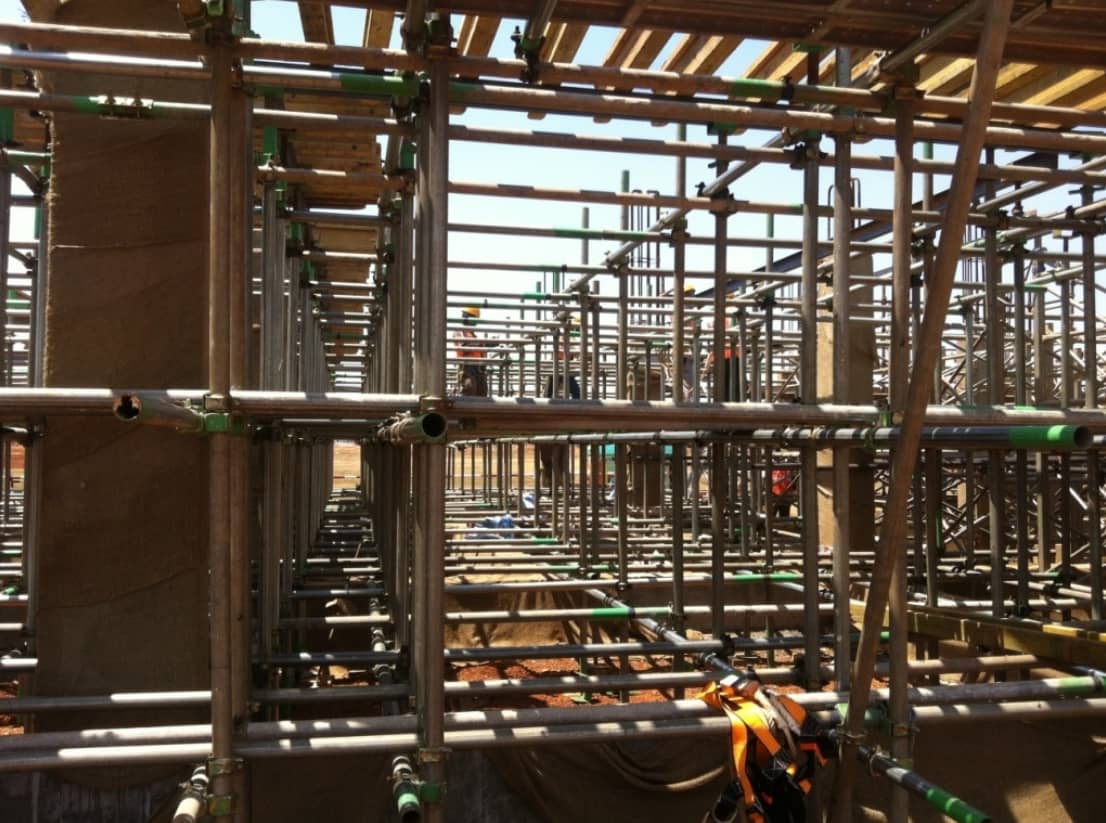
Scaffolding is a crucial component in construction, providing support and access for workers. Among the various types available, coupler-type steel pipe scaffolding is known for its versatility and strength. This article delves into the vital aspects of constructing coupler-type steel pipe scaffolding, ensuring safety and efficiency in your projects.
Main Nodes and Horizontal Bar Installation
● Importance of Right-Angle Fasteners
In the construction of coupler-type steel pipe scaffolding, the installation of horizontal bars at main nodes is critical. Right-angle fasteners play a significant role in securing these bars, providing stability and ensuring the structural integrity of the scaffolding. It is essential to ensure that these fasteners are correctly positioned and tightened to prevent accidents and structural failures.
● Consequences of Improper Removal
Removing horizontal bars or fasteners without proper assessment can lead to severe safety risks. Unauthorized removal can compromise the scaffolding's stability, leading to potential collapses and endangering lives. Adhering to guidelines and protocols for installation and removal is paramount to maintaining a safe work environment.
● Distance Regulations for Fasteners
Regulations specify that the center distance between two right-angle fasteners at main nodes should not exceed 150mm. This limitation ensures that the scaffolding structure remains robust and capable of withstanding loads and stresses during construction activities.
Spacing Requirements for Vertical Poles
● Maximum Distance Guidelines
The distance between vertical poles in a scaffolding setup is crucial for maintaining structural integrity. Generally, this distance should not exceed 2.0m, while the horizontal distance should remain within 1.5m. Observing these spacing guidelines helps distribute loads evenly and enhances the stability of the scaffolding.
● Implications for Scaffolding Stability
Correct spacing of vertical poles directly impacts the stability and safety of the scaffolding. Deviations from prescribed distances can lead to uneven load distribution, increasing the risk of collapse. Ensuring precise measurements during construction is essential to prevent such issues.
● Wall Connection Specifications
Scaffolding stability is further enhanced by wall connection parts, which should be installed at intervals not less than three steps and three spans apart. These connections anchor the scaffolding to the building, providing additional support and reducing the risk of tipping or swaying.
Connective Joints and Fastener Guidelines
● Requirements for Butt Fasteners
Butt fasteners are vital in connecting joints within scaffolding structures. Each step's joints must be secured with these fasteners to ensure stability. It is critical to follow guidelines to prevent the joints of two adjacent vertical poles from being set within the same step distance.
● Overlap and Distance Criteria
In cases where top tread poles are overlapped, the overlap length should not be less than 1000mm. Additionally, they must be fixed with at least two rotating fasteners. Ensuring these criteria are met is crucial for maintaining the integrity and strength of the scaffolding structure.
● Ensuring Structural Integrity
Meeting distance requirements for connective joints, such as keeping them at least 500mm apart, helps preserve the scaffolding's structural integrity. These measures prevent weak points in the scaffolding, contributing to a safer construction environment.
Installation of Sweep Rods
● Positioning and Fixation Techniques
Sweep rods, both longitudinal and transverse, must be installed and fixed securely on vertical rods within 200mm from the base surface. Right-angle fasteners are used in their installation, providing additional stability to the scaffolding structure.
● Addressing Foundation Level Differences
In scenarios where pole foundations are not on the same horizontal plane, the vertical sweep rod at the upper position should extend two spans to the lower position. This extension ensures stability and maintains the integrity of the scaffolding's support structure.
● Minimum Distance from Slopes
To prevent potential accidents or structural imbalance, the distance from the vertical pole axis above the slope to the slope must not be less than 500mm. Adhering to this guideline prevents toppling and ensures the scaffolding remains secure under varying conditions.
Horizontal Diagonal Bracing Specifications
● Installation Criteria for Open and Closed Scaffolding
Horizontal diagonal braces are a key component in scaffolding design, particularly for open and closed scaffolding systems. These braces must be installed at both ends of straight-line, open double-row fastener steel pipe scaffolding to enhance stability.
● Interval and Pattern Arrangements
For scaffolding structures with a height exceeding 24 meters, horizontal diagonal braces should be installed every six spans, except at corners. Arranging these braces in a continuous zigzag pattern from bottom to top provides additional support and rigidity.
● Impact on Scaffolding Strength
The strategic placement of horizontal diagonal braces significantly enhances the overall strength and stability of the scaffolding. By providing additional support, these braces minimize swaying and movement, ensuring a safe working environment for construction personnel.
Scaffolding Height and Building Connections
● Height-Based Connection Requirements
Scaffolding systems with heights above 24 meters require reliable connections to buildings using rigid wall members. This requirement ensures that the scaffolding is anchored securely, reducing the risk of collapse due to height and load factors.
● Utilization of Rigid Wall Members
Rigid wall members provide a sturdy anchor point for scaffolding structures, enhancing their stability. Their use is crucial for both single-row and double-row scaffolding systems, ensuring that the entire setup remains securely attached to the building.
● Prohibition of Flexible Ties
Using flexible wall ties that consist solely of tie rods is strictly prohibited. Such setups lack the rigidity and support necessary to safely anchor scaffolding, posing significant risks to workers and the construction project as a whole.
Scaffolding Board Coverage Requirements
● Coverage Guidelines for Bottom and Working Layers
Scaffolding boards play a crucial role in ensuring safety at construction sites. For both the bottom layer and working layers, full coverage with scaffolding boards is necessary. This measure prevents falls and provides a stable surface for workers.
● Ensuring Safety Through Coverage
By fully covering scaffolding layers with boards, construction sites reduce the likelihood of accidents. This practice not only enhances safety but also complies with regulations, ensuring that construction activities proceed without incident.
● Regular Coverage Intervals on Working Layers
From the working layer downward, a layer of scaffolding boards should be fully covered every 12 meters. This interval is crucial for maintaining consistent safety standards and providing workers with secure access points throughout the scaffolding structure.
Vertical and Horizontal Axes Alignment
● Effects of Misalignment on Stability
Proper alignment of vertical and horizontal axes in scaffolding is essential for stability. Misalignment can lead to uneven load distribution and increased stress on specific sections, potentially causing structural failures.
● Alignment with Scaffolding Design
Ensuring that the vertical and horizontal components of scaffolding align with the overall design is critical. This alignment supports the distribution of loads evenly across the structure, reducing the risk of instability and collapse.
● Correction Measures
Should misalignment occur, immediate corrective measures must be taken. Adjusting or repositioning components to achieve proper alignment is vital for restoring the scaffolding’s stability and ensuring a safe working environment.
Edge Fastener Placement and Safety
● Minimum Distance from Pole Ends
Correct placement of edge fasteners is essential for the safety and integrity of scaffolding structures. Fasteners should be positioned at least 10mm from the pole ends to prevent loosening and potential structural failure.
● Safety Implications of Placement
Improper placement of fasteners can compromise the entire scaffolding setup, leading to potential accidents. Ensuring that fasteners are correctly placed and secured is crucial for maintaining a safe and stable scaffolding environment.
● Adjustments and Corrections
Regular inspections and adjustments of fastener placements are necessary to maintain the scaffolding's safety standards. Making timely corrections can prevent potential structural issues and ensure a secure construction site.
Regulatory Compliance and Safety Measures
● Importance of Adhering to Guidelines
Compliance with regulatory guidelines is crucial for the safe construction of coupler-type steel pipe scaffolding. These guidelines are designed to ensure that scaffolding structures are safe and reliable, reducing risks associated with construction activities.
● Safety Protocols and Checks
Implementing safety protocols and conducting regular checks is essential for maintaining a secure work environment. These measures help identify potential issues early, allowing for timely interventions and corrections.
● Penalties for Non-Compliance
Non-compliance with scaffolding regulations can lead to severe penalties, including fines and project delays. Adhering to guidelines not only ensures safety but also protects construction projects from legal and financial repercussions.
Kosun: Leading Scaffolding Solutions Provider
Hunan Kosun Metal Products Co., Ltd. stands out as a leading scaffolding company with extensive design, production, sales, and logistics capabilities in China. With over 15 years of experience, Kosun has established itself in the international market, providing safe, reliable, and innovative scaffolding solutions. Their comprehensive product range, including scaffolding tubes, couplers, and systems, is in high demand globally, reflecting their commitment to quality and excellence. Kosun continues to be a trusted partner, dedicated to supporting engineering projects worldwide with exceptional products and services.
Post time: 2025-05-12 15:04:02