

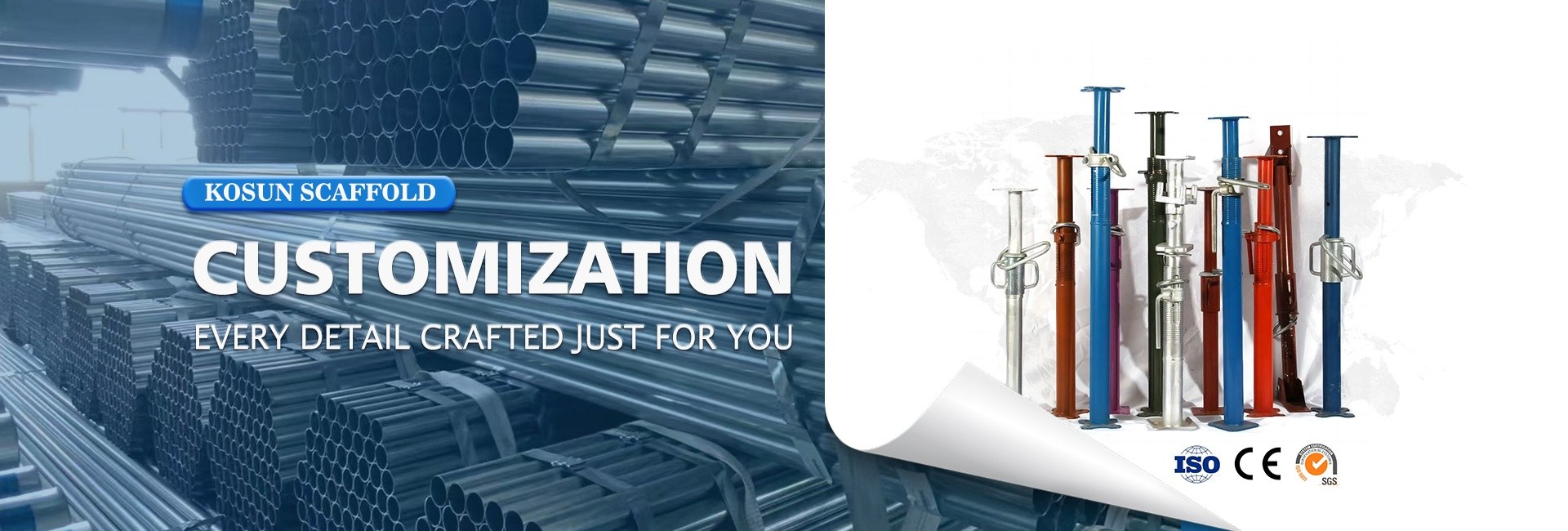
Choosing Acrow prop fittings can feel like dating apps for scaffolding—too many options, odd sizes, and you’re praying nothing collapses on you, literally or emotionally.
This guide explains load ratings, compatibility, and safety standards, backed by HSE construction guidelines, so your props—and project—stand firm.
🔧 Understanding Acrow Prop Fittings and Their Role on Site
Acrow prop fittings link adjustable props to beams, slabs, and scaffolds, turning simple supports into safe, flexible shoring systems for many site conditions.
Choosing the right fittings helps control loads, reduce movement, and meet safety rules. Good selection saves time, cuts rework, and protects workers and structures.
1. Key Types of Acrow Prop Fittings
Common fittings include fork heads, U-heads, beam clamps, and couplers that connect props to scaffolding tubes or formwork members.
- Pressed Double Coupler for strong 90° tube joints
- Drop Forged Single Coupler for quick ledger or handrail links
- Putlog Coupler for tying scaffold to walls or formwork
2. Materials and Corrosion Protection
Most fittings use high‑strength steel with galvanized or painted finishes to resist rust, extend life, and keep clamping force reliable in wet or dusty sites.
3. Connection Strength and Slip Resistance
Check rated slip resistance, bolt torque, and locking design. Strong friction and positive locks reduce rotation, sudden release, and dangerous movement under load.
4. Compliance with Standards
Always confirm fittings meet local and international codes. Ask for test reports, markings, and technical data sheets that show load, torque, and safety factors.
🏗️ Matching Prop Sizes and Load Capacities to Project Requirements
Correct prop size and capacity prevent deflection, slab cracks, and collapse. Match height range, load charts, and spacing to your formwork design.
Use manufacturer data and engineer guidance. Never guess load capacity or exceed stated limits, even for short‑term or “light” temporary works.
1. Reading Acrow Prop Load Charts
Load capacity falls as height increases. Use only tested charts and always include safety factors when planning prop spacing and head fittings.
2. Selecting Prop Classes for Different Tasks
Heavier slabs, thick beams, and back‑propping need higher class props. Light partitions or repair work can use smaller sizes with lower capacities.
3. Spacing, Bracing, and Head Fittings
Closer spacing and proper bracing increase system stiffness. Choose fork heads or U‑heads that match beam width and prevent lateral slip.
4. Ground Bearing and Base Fittings
Use base plates on firm concrete where possible. On weak ground, add sole boards or steel plates sized to spread loads safely.
🧱 Choosing Compatible Fittings for Different Formwork and Shoring Systems
Compatibility between fittings, props, and formwork stops movement, speeds assembly, and reduces damage to beams and panels on busy sites.
Always coordinate prop selection with your formwork supplier’s guidelines and drawings.
1. Matching Fittings to Timber and Steel Beams
Choose U‑heads for timber bearers and fork heads for steel beams. Ensure head width fits beam size and uses anti‑slip inserts if needed.
2. Working with Modular Formwork Systems
Follow system manuals. Many modular panels use specific adaptors; using the wrong fitting can void approvals and reduce tested strength.
3. Integrating with Scaffold and Access Systems
When tying props into scaffold frames, use compatible couplers, correct bolt torque, and clear layouts that keep walkways open and safe.
⚙️ Safety Checks, Site Conditions, and Correct Installation of Fittings
Safe prop work depends on good ground, sound fittings, and careful installation. Regular checks keep systems stable during pouring and striking.
Train crews to spot damage, overloading, and unsafe changes in the field.
1. Pre‑Use Inspection of Props and Fittings
Check for bent tubes, cracked welds, worn threads, and distorted couplers. Remove damaged parts from service and label them clearly.
2. Installing and Adjusting Props on Site
Plumb each prop, then tighten fittings to the recommended torque. Lock adjustment collars and recheck alignment before placing concrete.
3. Monitoring During Pouring and Striking
Watch for settlement, noise, or movement during pours. After curing, follow a controlled striking sequence that keeps back‑propping in place.
⭐ Why Construction Professionals Prefer Kosun Acrow Prop Fittings
Kosun fittings support safe, efficient shoring with strong materials, accurate sizing, and reliable quality control from factory to jobsite.
They integrate well with common scaffold tubes and modern formwork systems worldwide.
1. Consistent Quality and Testing
Kosun uses strict production checks, material certificates, and load testing so fittings deliver predictable performance in real site conditions.
2. Fast Assembly and Versatility
User‑friendly designs reduce assembly time, help cut labor costs, and suit many tasks, from small repairs to multi‑story concrete frames.
3. Technical Support and Documentation
Clear data sheets, drawings, and support help engineers and supervisors plan safe layouts, spacing, and fitting choices for each project.
Conclusion
Choosing the right acrow prop fittings means matching size, load, and compatibility with your formwork and scaffold systems. This protects workers, concrete, and schedules.
Inspect fittings often, follow load charts, and rely on proven suppliers. A planned approach turns simple props into a strong, safe temporary works system.
Frequently Asked Questions about acrow prop fittings
1. How do I know which acrow prop fitting to use?
Start with your engineer’s plans and formwork manual. Check beam type, load, and connection point, then select fittings listed as compatible and rated for that load.
2. Can I mix fittings from different brands?
Only do this if the engineer approves and both makers confirm compatibility. Mixing random parts can reduce capacity and break warranty or certification rules.
3. How often should I inspect acrow prop fittings?
Inspect before each use, after heavy rain or impact, and at key stages such as before pouring and before striking. Remove any damaged or doubtful item.
Post time: 2026-06-05 16:45:04