

Identify the Application Requirements
When selecting perforated steel planks, the first step is determining the application requirements. Understanding the specific use of the planks is crucial. Are they for decorative purposes, ventilation, or structural support? Each application demands a unique set of specifications.
Define the Purpose of Use
Clearly defining the purpose will guide the selection process. Decorative uses typically prioritize aesthetic patterns and finishes, while ventilation panels require hole patterns that maximize airflow. For structural support, thickness and material strength take precedence.
Evaluate Hole Patterns and Sizes
The hole pattern and size dramatically affect the performance and appearance of perforated steel planks. The most common pattern, round holes, offers a balance of structural integrity and aesthetic versatility.
Select Hole Types
While round holes are prevalent, other shapes like squares, hexagons, or slots may better suit certain projects. For instance, hexagonal holes can enhance airflow and light, while slots may optimize visibility.
Determine Optimal Sizes
Size selection impacts functionality. Larger holes increase airflow and reduce weight but may compromise strength. Balancing the size with the intended application is crucial to meeting project needs effectively.
Assess Material Strength and Thickness
Material strength and thickness dictate the durability and support capability of perforated steel planks. These characteristics should align with the structural demands of the project.
Thickness for Structural Integrity
Thicker materials provide robustness essential for heavy-duty industrial applications. Conversely, lighter applications can utilize thinner sheets, facilitating ease of installation and cost-effectiveness.
Strength and Load Bearing
Understand the load-bearing requirements. For environments that involve stress or impact, opt for thicker, higher-grade steel to ensure longevity and performance.
Consider Corrosion Resistance Needs
Corrosion resistance is vital, particularly in humid or marine environments. Selecting the appropriate finish and material safeguards against rust and extends the plank’s lifespan.
Material Selection for Environment
Stainless steel and galvanized metals are favored for their corrosion-resistant properties, making them ideal for outdoor or high-moisture settings. These materials also reduce maintenance costs over time.
Customization for Project Specificity
Standard sizes and patterns may not meet every project's requirements. Customization allows for the creation of unique designs tailored to specific needs.
Custom Patterns and Sizes
Custom planks can incorporate specific hole shapes, sizes, and margins. This flexibility is particularly beneficial for projects requiring bespoke branding, architectural features, or equipment enclosures.
Balance Between Aesthetic and Functionality
While structural integrity is critical, aesthetics should not be neglected, especially in architectural or commercial settings. The right balance ensures both practical and visual appeal.
Integrate Design and Utility
Perforated steel planks can enhance design features while providing essential functions such as privacy, shading, and ventilation. Achieving the right balance is key to value maximization.
Select a Trustworthy Supplier
The choice of supplier impacts the quality of the perforated steel planks. A reliable supplier can provide high-quality products and crucial support services.
Importance of Factory and Supplier
Partner with a supplier that offers consistency in product standards and offers technical support. This relationship ensures that specifications are met and potential issues are addressed promptly.
Understand Material Selection Factors
Material choice influences the plank’s performance under different environmental conditions. Each metal offers distinct advantages.
Environmental Suitability
Consider the installation location. Is it inland or marine? Metals like aluminum and stainless steel are excellent for coastal areas due to their corrosion resistance.
Analyze Open Area and Structural Impact
The open area percentage, influenced by hole size and pattern, affects light, airflow, and structural properties, necessitating a careful balance.
Balancing Open Area for Functionality
Higher open areas improve airflow and light penetration but can weaken structural integrity. Adjust the open area to align with the functional requirements of your project.
Utilize Tools for Precision and Efficiency
Utilizing tools like open-air calculators can optimize the design by providing precise calculations for open area percentage, enhancing project outcomes.
Leveraging Technology for Accuracy
These tools help avoid costly mistakes by accurately determining specifications that meet design and functional criteria, ensuring efficient and budget-friendly project execution.
Kosun Provide Solutions
For high-quality perforated steel planks tailored to your project's needs, Kosun offers comprehensive solutions. With options for custom designs and materials that prioritize both aesthetics and functionality, their expert team ensures you receive products that meet your exact specifications. Whether it's for industrial robustness or architectural elegance, Kosun’s experience and dedication provide the assurance of quality and performance. Contact Kosun for guidance and support in selecting the right perforated steel planks for your application.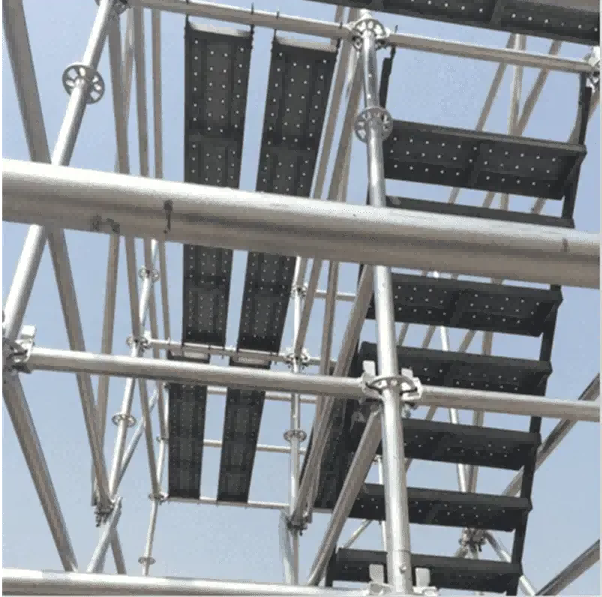
Post time: 2025-08-30 15:43:02