

The industrial disc-type scaffolding has become an indispensable component in modern construction projects worldwide due to its versatility, stability, and ease of assembly. However, to harness its full potential while ensuring safety, it is crucial to adhere to specific protocols and standards. This comprehensive guide delves into the key aspects necessary for the safe use of this essential construction equipment.
Understanding Disc-Type Scaffolding Basics
● Overview of Disc-Type Scaffolding
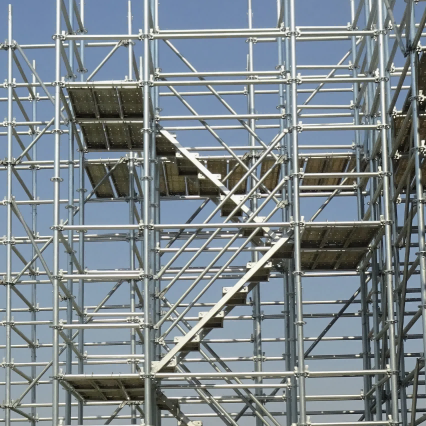
Industrial disc-type scaffolding is a sophisticated system known for its circular steel disc at the core, which connects various components to form robust and adaptable structures for construction needs. These scaffolds are heralded for their load-bearing capacity and stability, making them ideal for a wide range of construction applications.
● Importance of Understanding Scaffold Components
Each component in a disc-type scaffolding system serves a critical function, contributing to the overall stability and safety. Understanding the role of these components, from the disc to the ledgers and standards, is vital to assembling a safe structure. Recognizing the unique features and functions of each part ensures that the scaffolding maintains its integrity during use.
Selecting Quality Scaffolding Equipment
● Criteria for Selecting Reliable Scaffolding
Choosing the best industrial disc-type scaffolding starts with selecting the right equipment from a reputable manufacturer. Key criteria include material quality, compliance with industry standards, and the availability of supporting certifications. High-quality materials ensure durability and overall safety, reducing the risk of accidents during construction activities.
● Importance of Manufacturer Reputation
The reputation of an industrial disc-type scaffolding manufacturer plays a significant role in equipment selection. Established manufacturers like Kosun are known for their commitment to quality and safety, providing assurance that their products meet rigorous standards. By selecting a trusted supplier, construction managers can mitigate risks associated with poorly manufactured scaffolding.
Regular Inspection and Maintenance
● Frequency and Scope of Inspections
Routine inspections are crucial in maintaining the operational integrity of disc-type scaffolding. Inspections should be conducted before each use and periodically during operation to assess wear and tear, ensuring structural components are in optimal condition. This proactive approach helps identify potential issues before they become safety hazards.
● Steps for Maintaining Scaffold Integrity
Maintenance procedures for industrial disc-type scaffolding involve cleaning, tightening connections, and replacing damaged parts. Regular maintenance not only extends the life of scaffolding components but also ensures they perform as designed, providing a safe working environment for construction personnel.
Ensuring Structural Stability
● Assessing Load Capacities and Limits
Understanding the load capacity of custom industrial disc-type scaffolding is fundamental. Engineers must consider the weight of workers, equipment, and materials to prevent overload. Adhering to manufacturer guidelines and conducting structural analysis can safeguard against scaffolding collapse, especially in complex projects.
● Monitoring Scaffold Stability During Use
Continuous monitoring of scaffold stability throughout construction activities is essential. This includes observing for signs of movement or unusual stresses that could indicate instability. Implementing proper anchoring techniques and using stabilizers can further enhance the scaffold's safety profile.
Implementing Safety Measures
● Setting Up Guardrails and Safety Nets
Guardrails and safety nets are basic yet essential protective measures when using disc-type scaffolding. They prevent falls and provide an additional layer of security for workers operating at heights. Regular checks ensure these safety installations are securely fastened and free from damage.
● Importance of Anti-Fall Devices
Anti-fall devices, such as harnesses, should be mandatory for personnel working on elevated sections of scaffolding. These devices are crucial in preventing injuries in the event of a slip or fall. Training workers in the correct use of these devices is equally important to maximize their effectiveness.
Training and Certification for Workers
● Importance of Worker Training Programs
Training programs ensure that workers are equipped with the knowledge and skills needed to safely operate scaffolding. Comprehensive training covers assembly and dismantling processes, safety protocols, and emergency procedures. A well-trained workforce is the backbone of any successful safety program in construction.
● Certification Requirements and Benefits
Certification for scaffold operators and supervisors verifies competence in managing scaffolding operations. Certified personnel are more likely to adhere to safety standards, reducing the likelihood of accidents. Certification programs also keep workers updated on the latest safety practices and technological advancements.
Correct Assembly and Dismantling Practices
● Step-by-Step Guide for Scaffold Assembly
Correctly assembling industrial disc-type scaffolding involves following manufacturer instructions to the letter. This includes ensuring all components are compatible and securely connected. Mistakes during assembly can compromise scaffolding integrity and pose significant safety risks.
● Safe Dismantling Procedures and Tips
Dismantling scaffolding safely requires careful planning and adherence to reverse assembly procedures. Each part should be removed methodically to maintain balance and prevent unexpected collapses. Workers should be trained in safe dismantling techniques to minimize risks associated with scaffold removal.
Adhering to Safety Regulations
● Overview of Relevant Safety Standards
Compliance with safety standards is non-negotiable for construction projects utilizing disc-type scaffolding. Standards such as those from OSHA and other governing bodies provide guidelines for safe scaffold use, including design, construction, and operation specifications.
● Importance of Compliance with Regulations
Regulatory compliance not only ensures legal conformity but also enhances workplace safety. Non-compliance can result in severe penalties and increase the risk of on-site accidents. Implementing a robust safety culture that prioritizes adherence to regulations can significantly improve project outcomes.
Load Management and Control
● Understanding Load Limits and Distribution
Proper understanding of load limits and their distribution across the scaffold is essential to prevent accidents. Engineers should calculate load distribution precisely, considering factors such as wind forces and dynamic loads, to prevent imbalances that could compromise scaffold stability.
● Preventing Overload and Potential Hazards
To prevent overloading, it is crucial to continually assess the weight on scaffolds and make necessary adjustments. Signage indicating load limits serves as a constant reminder, fostering awareness among workers and preventing inadvertent exceedance of capacity.
Emergency Preparedness and Response
● Planning for Potential Scaffold Emergencies
Having an emergency response plan in place is critical for handling scaffold-related incidents effectively. This includes procedures for evacuation, first aid, and communication during emergencies. Regular drills ensure that workers are familiar with protocols, reducing panic and enhancing response times during actual incidents.
● Conducting Regular Safety Drills and Training
Safety drills help reinforce emergency response procedures, ensuring that all team members are prepared to act swiftly in case of an incident. Periodic training updates keep workers informed of any changes in safety practices or emergency plans, maintaining a high level of preparedness.
Conclusion: Kosun's Commitment to Scaffolding Safety
Hunan Kosun Metal Products Co., Ltd. exemplifies excellence in the scaffolding industry with a focus on providing safe, reliable, and innovative solutions. With over 15 years of experience, Kosun offers a wide range of products, including scaffolding tubes, frames, and systems that are in high demand globally. Their commitment to quality and customer satisfaction, reinforced by strict adherence to safety standards and innovative technology, makes them a trusted partner in construction projects. Kosun’s dedication to continuous improvement ensures that they remain at the forefront of scaffolding safety and innovation.
Post time: 2025-05-20 16:55:03