

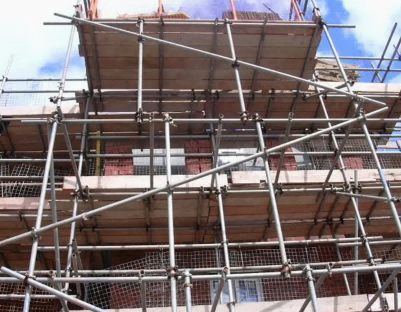
Scaffolding is an essential component of the construction industry, providing the necessary support and stability for workers to perform their tasks safely at elevated heights. This article delves into the construction requirements for scaffolding rods, focusing on elements like scaffolding poles, horizontal and longitudinal bars, and the role of custom, best, and manufacturer-designed scaffolding boards. Additionally, we will introduce Hunan Kosun Metal Products Co., Ltd., a leading scaffolding manufacturer.
Introduction to Scaffolding Construction Requirements
The construction industry relies heavily on scaffolding systems to ensure the safety and efficiency of building processes. Scaffolding rods play a crucial role in providing structural integrity and support for construction workers and materials. Understanding the specific requirements for scaffolding rods, including their installation, connection, and maintenance, is vital for ensuring safe construction practices. This section covers the importance of scaffolding in construction, along with the safety and design standards that must be adhered to.
● Importance of Scaffolding in Construction
Scaffolding provides a temporary framework that supports work crews and materials, allowing them to function safely and effectively at various heights. It is an indispensable part of construction and maintenance work on buildings, bridges, and other structures. Safety is paramount, and understanding the requirements for scaffolding rods ensures that workers are protected from falls and accidents.
● Overview of Safety and Design Standards
Compliance with safety and design standards is mandatory when it comes to scaffolding. These standards are established by organizations such as OSHA and serve to protect workers from potential hazards. Proper design and installation of scaffolding rods help in maintaining structural stability throughout the construction process.
Longitudinal Horizontal Bars: Installation Guidelines
Longitudinal horizontal bars are a key component of scaffolding structures, providing horizontal support and stability. Their proper installation is crucial for maintaining the integrity of the scaffolding system, hence meeting specific construction requirements is essential.
● Connection Methods: Butt Fasteners and Overlaps
In the context of scaffolding, longitudinal horizontal bars are typically connected using butt fasteners or overlaps. Butt fasteners provide a secure connection between bars, avoiding sync in joints of adjacent bars to ensure stability. Overlaps should be no less than 1 meter, secured with rotating fasteners set at equal intervals.
● Importance of Span Length and Joint Spacing
The correct span length and joint spacing of longitudinal horizontal bars are critical. Bars should not exceed a pitch of 1.8 meters, and joint spacing should adhere to specific regulations to avoid compromising the scaffolding’s load-bearing capacity.
Longitudinal Horizontal Bars: Special Considerations
When dealing with various scaffolding boards, additional considerations come into play. The right choice of scaffolding boards can enhance the safety and utility of the scaffolding system.
● Use with Different Scaffolding Boards
Scaffolding boards such as bamboo, steel, and wood require special considerations. Bamboo boards, for example, call for bars to be fixed with right-angle fasteners and arranged at equal intervals. Custom scaffolding boards should also be adapted to adhere to these specifications.
● Right-angle Fastener Requirements
Right-angle fasteners are employed to secure longitudinal horizontal bars effectively, ensuring that they hold scaffolding boards in place securely. This is crucial regardless of whether you are using the best scaffolding boards or custom-designed options.
Scaffolding Poles: Primary Load-Bearing Components
Scaffolding poles are the main load-bearing elements within the scaffolding framework. Their construction and installation must align with specific guidelines to ensure the safety and effectiveness of the scaffolding.
● Secure Connection to Buildings
Scaffolding poles must be securely connected to the building structure, often through the use of wall connectors. This ensures that the scaffolding remains stable and can safely bear the load of workers and materials.
● Base and Pad Requirements
The base or pad at the bottom of each vertical pole is essential for distributing the load and preventing ground penetration. In some cases, especially when erected on a permanent concrete base, pads might be omitted based on situational requirements.
Scaffolding Poles: Structural Integrity Concerns
Ensuring the structural integrity of scaffolding poles is essential for maintaining the overall stability and safety of the scaffolding.
● Importance of Tie Rods: Longitudinal and Transverse
Longitudinal and transverse tie rods are critical to maintaining the stability of scaffolding poles. They should be fixed within specific distances from the bottom to prevent any structural weaknesses.
● Connection of Layers and Step Joints
Each layer and step joint must be properly connected, typically using butt fasteners. These connections significantly enhance the load-bearing capacity of the scaffolding structure.
Top and Foundation Requirements for Poles
The top and foundation of scaffolding poles must meet specific construction standards to ensure overall safety and functionality.
● Height Requirements Above the Operating Floor
The top of scaffolding poles should extend at least 1.5 meters above the operating floor to provide necessary safety barriers and support.
● Adjustments for Uneven Pole Foundations
When scaffolding is erected on uneven terrain, adjustments must be made to ensure stability. This might involve extending the longitudinal sweeping rod to the lower section and maintaining height differences within specified limits.
Scaffolding Poles: Joint Connection Standards
Proper joint connections are indispensable for the stability and safety of scaffolding poles in a construction setting.
● Staggered Butt Fasteners Arrangement
To ensure maximum structural integrity, butt fasteners on vertical poles must be staggered, with correct joint spacing to minimize the risk of synchronization failures.
● Overlap Length and Fastener Guidelines
The overlap length for connected poles should not be less than 1 meter, secured with rotating fasteners. This ensures robust joint stability, preventing potential structural failures.
Horizontal Bars: Main Node Fixation
Horizontal bars provide lateral support for scaffolding and must be installed correctly to avoid structural issues.
● Required Fastener Specifications
Main nodes on horizontal bars must be fixed with right-angle fasteners, keeping the center distance between fasteners within prescribed limits.
● Installation Restrictions and Removal Prohibition
Once installed, horizontal bars must remain in place, as their removal can compromise the entire scaffolding system. Proper fixation is crucial to maintaining the integrity of the scaffolding structure.
Horizontal Bars: End Fixation Techniques
Proper fixation techniques for the ends of horizontal bars are essential, especially when dealing with different scaffolding board types.
● Fixing Ends for Double and Single-Row Scaffolding
For double-row scaffolding, both ends of horizontal bars should be fixed to vertical bars or longitudinal horizontal bars. Single-row scaffolding requires fixing one end to the vertical or longitudinal bar, with the other end inserted into the wall.
● Insertion Length into Walls for Stability
When horizontal bars are inserted into walls, an insertion length of no less than 180mm is mandatory to ensure stability and prevent detachment.
Scaffolding Horizontal Bars: Spacing Requirements
The spacing of horizontal bars is crucial for supporting scaffolding boards efficiently and must be set according to specific guidelines.
● Importance of Equal Intervals at Non-Main Nodes
For non-main nodes, horizontal bars should be arranged at equal intervals to support scaffolding boards effectively, ensuring that the spacing does not exceed half the longitudinal distance.
● Maximum Spacing Limitations for Support Structures
Adhering to maximum spacing limitations ensures that the scaffolding structure remains stable. Properly spaced horizontal bars provide adequate support for custom scaffolding boards and the best scaffolding boards from reputable manufacturers.
Company Introduction: Hunan Kosun Metal Products Co., Ltd.
Hunan Kosun Metal Products Co., Ltd. is a premier scaffolding company renowned for its design, production, and sales capabilities. Operating from Tianjin Tangguantun Industrial Park, Kosun specializes in manufacturing high-quality scaffolding products, including tubes, couplers, and various system components. With a wide-reaching export network, Kosun is committed to delivering safe and innovative scaffolding solutions to customers across Europe, Asia, the Americas, and beyond. The company prioritizes quality, ensuring that all products meet international standards, thereby solidifying its reputation as a trusted partner in the scaffolding industry.
Post time: 2025-05-18 16:09:04