

1. Ringlock System: The Ideal Choice for High-Rise Buildings
Structural Components:Vertical Standards (Uprights)、Horizontal Ledgers (Transoms)、Diagonal Braces (Bracing)、Spiral Connectors (Rotating Collars)、Safety Clamps (Locking Pins)
Connection Method:Standards and ledgers are securely fastened using spiral connectors, enabling quick and stable assembly.
Advantages:
Fast Construction: The simple spiral connector design allows for highly efficient assembly.
Strong Structural Stability: Highly adaptable, suitable for high-rise buildings, residential projects, and complex structures.
High Safety: Complies with international safety standards, ensuring worker protection.
2. Kwikstage System: The Best Option for Short-Term Projects
Structural Components:Horizontal Ledgers (Runners)、ertical Standards (Uprights)、Diagonal Braces (Bracing)、Coupling Clamps (Connectors)
Connection Method:
Ledgers are secured to uprights via coupling clamps, forming a stable platform structure.
Advantages:
Ideal for Flat or Space-Limited Sites: Simple and quick assembly, especially suited for short-term projects.
High Adaptability: Height and dimensions can be adjusted based on project needs.
3. Safety Guidelines for Scaffolding Use
Regardless of the scaffolding system chosen, strict compliance with safety procedures is mandatory. Key safety measures include:
Regularly inspect all scaffolding components to ensure no damage or looseness.
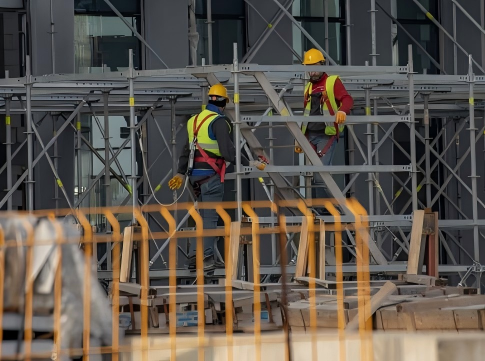
Always wear a safety harness during assembly and use, and ensure the scaffold is stable.
Avoid overloading with excessive materials or equipment to prevent structural failure or accidents.
Follow manufacturer instructions and safety standards—never modify or skip assembly steps.
4. Selecting and Erecting Scaffolding
On construction sites, selecting the right scaffolding type and materials is critical. Different projects may require different scaffolding systems, so understanding the strengths and limitations of each type is essential. Proper selection and correct assembly methods significantly enhance efficiency and safety.
Conclusion
Scaffolding is a vital tool on construction sites, supporting both the building structure and the safety of workers. Choosing the appropriate scaffolding type and materials, along with strict adherence to safety protocols, is fundamental to ensuring safe and efficient construction.
Post time: 2025-09-30 10:00:39