

Introduction to perforated metal planks Customization
Perforated metal planks have revolutionized various industries due to their adaptability and versatility. Their unique design allows them to serve multiple purposes, from construction and architecture to interior design. The ability to customize these planks to specific requirements enhances their utility and appeal, encouraging manufacturers and factories to innovate continuously.
Understanding Customization in Perforated Metal Planks
Customization involves tailoring the planks to meet specific project demands, which includes altering their size, shape, material, and perforation pattern. This flexibility allows architects and designers to implement unique solutions that cater specifically to individual project needs. This article delves into the parameters and methodologies behind customizing perforated metal planks, a key function that sets them apart from traditional building materials.
Materials and Durability of Perforated Metal Planks
High-quality materials are fundamental in creating durable perforated metal planks. Typically, these planks are made from robust metals such as steel, aluminum, and stainless steel. These materials provide the necessary strength to support structural loads while withstanding harsh environmental conditions, thus prolonging their lifecycle.
Analyzing Material Strength and Longevity
Steel, especially galvanized or coated, is favored for its excellent strength-to-weight ratio and resistance to corrosion. Aluminum is another popular choice due to its lightweight nature and innate corrosion resistance, making it suitable for environments with high humidity or salt exposure. Stainless steel offers superior longevity and minimal maintenance due to its rust-resistant properties, an ideal choice for high-impact applications.
Variety in Design and Patterns
Design flexibility in perforated metal planks is achieved through various perforation patterns, including round, square, and custom shapes. Patterns influence not only aesthetics but also functionality, affecting factors such as weight, airflow, light transmission, and acoustics.
Pattern Selection and Its Impact on Applications
The choice of pattern depends on the intended application. Round holes, being the most common, offer a balance between aesthetic appeal and functional utility. Square holes provide a higher open area, beneficial for applications requiring significant airflow or light passage. Custom patterns are created by manufacturers and factories for projects needing unique visual or functional outcomes.
Size and Thickness Customization Options
Perforated metal planks come in various sizes and thicknesses to meet diverse project requirements. Custom size and thickness adjustments enhance the safety and efficiency of installations, allowing them to be used in applications with specific dimensional constraints.
Balancing Custom Dimensions with Structural Integrity
The thickness of the metal impacts the plank’s strength and load-bearing capacity. Thicker planks provide more durability and are suitable for high-stress environments, while thinner planks are ideal for applications prioritizing weight reduction. Factories and manufacturers collaborate closely with clients to produce tailored dimensions that meet both structural and design needs.
Enhanced Safety Features
The perforated design of metal planks inherently enhances safety by improving traction and drainage, which is crucial in environments prone to moisture and slippery conditions. This feature makes them a preferred choice for scaffolding and flooring applications.
Evaluating Safety Through Design
Customized perforations ensure that water does not pool on the surface, reducing slipping hazards. Furthermore, the non-slip surface provided by the perforations is vital for worker safety on construction sites. Factories usually test these features rigorously to comply with safety standards.
Cost Efficiency and Material Utilization
Customizing perforated metal planks can lead to cost savings by optimizing material use and reducing waste. Efficient designs minimize excess weight and material costs while maximizing performance.
Achieving Cost-Effectiveness Through Customization
Factories and manufacturers can design planks to fit precise specifications, thereby reducing material wastage. Custom solutions allow for the strategic placement of perforations, which minimizes the material used without compromising structural integrity or function.
Environmental and Weather Resistance
Perforated metal planks are designed to endure various environmental conditions. Their ability to withstand temperature fluctuations, moisture, and chemicals makes them an excellent choice for outdoor and industrial applications.
Performance in Diverse Conditions
By choosing appropriate materials and coatings, manufacturers ensure that these planks can resist rust and corrosion, even in coastal or industrial environments. This resistance extends the lifespan of the planks and reduces the frequency of replacement, further adding to their environmental and economic benefits.
Global Market Adaptations
Perforated metal planks have gained popularity worldwide, with adaptations made to suit regional preferences and standards. Different markets have unique requirements based on climate, construction practices, and regulatory demands.
Tailoring Products for Diverse Markets
Manufacturers adapt their production processes to meet varying international standards, offering products that cater to specific regional needs. This global reach is facilitated by factories that specialize in producing customizable planks according to local industry standards and material availability.
Modern Innovations in Perforated Metal Design
Technological advancements have led to innovative designs and applications of perforated metal planks. New fabrication techniques and design software have expanded their use in modern architecture and industrial applications.
Implementing Cutting-Edge Technologies
Manufacturers now employ advanced CAD systems and laser cutting technologies to produce intricate designs with high precision. These innovations allow for rapid prototyping and customization, enabling architectural and industrial projects to benefit from the aesthetic and functional advantages of perforated metal.
Conclusion and Future Trends
The future of perforated metal planks lies in further customization and integration into new applications. As industries continue to seek sustainable and efficient solutions, the role of these versatile materials is expected to grow.
Anticipating Emerging Needs
The capacity to tailor products to specific needs ensures that perforated metal planks remain relevant in evolving markets. Innovations in material science and engineering will continue to drive their development, offering enhanced performance across diverse sectors.
Kosun Provide Solutions
Kosun offers comprehensive solutions for customizing perforated metal planks, ensuring that every project receives a unique approach tailored to its specific needs. Our factory capabilities include producing a wide range of patterns, sizes, and materials, backed by a commitment to quality and performance. Collaborating with us guarantees that your customized planks meet safety standards, aesthetic desires, and functional requirements. From design to deployment, we are your partner in achieving exceptional outcomes with perforated metal solutions.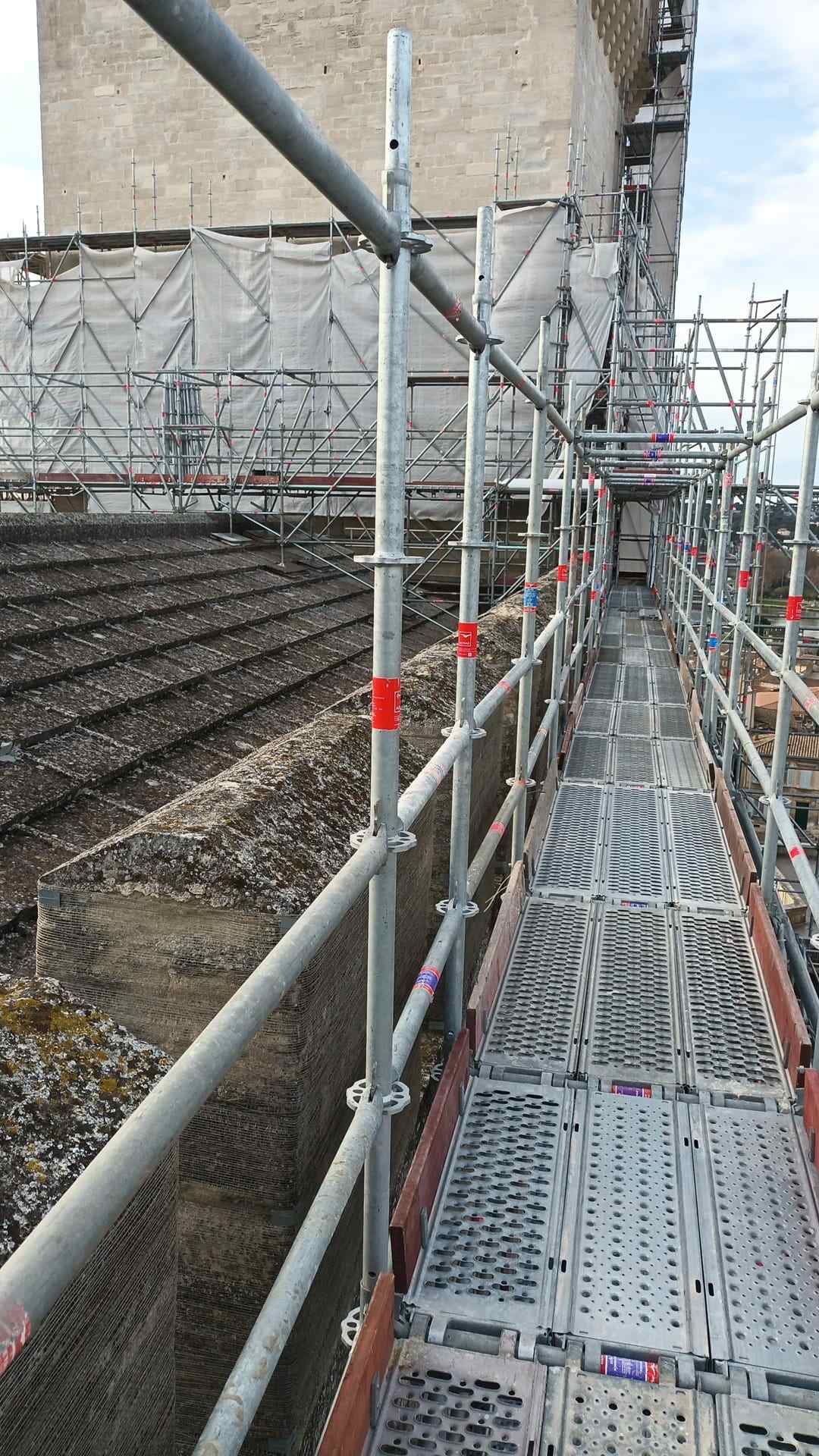
Post time: 2025-12-12 23:02:04