

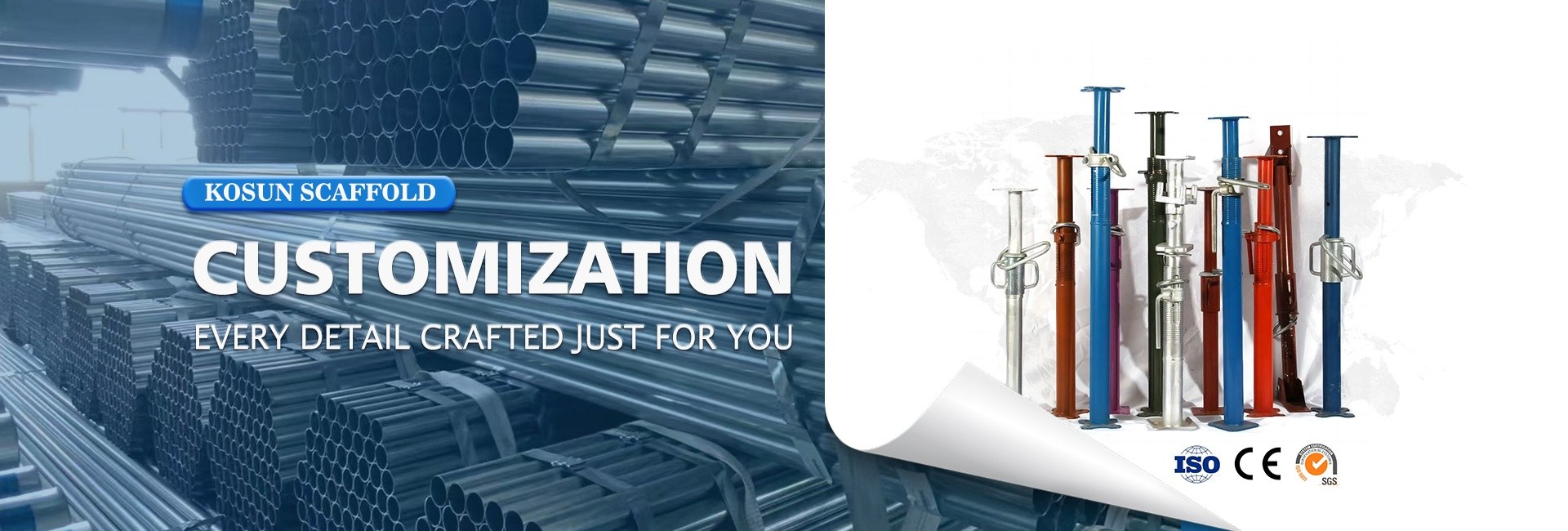
Introduction to Adjustable Steel Props and Traditional Scaffolding
In the realm of construction, the choice between adjustable steel props and traditional scaffolding can significantly impact the efficacy and efficiency of a project. Both options come with distinct features, and their applications depend on the specific requirements of the construction environment. This article delves into the details of how adjustable steel props stand out when compared with traditional scaffolding methods.
Load-Bearing Capacity and Strength
Steel Props: Custom Load Solutions and Strength
Adjustable steel props are engineered to provide remarkable load-bearing capacity. Typically, these props can support weights ranging from 10 kN to 40 kN, depending on size and design. This level of strength makes them highly suitable for demanding tasks such as supporting heavy concrete slabs. The customization options available for steel props allow for tailored solutions that match specific construction needs, ensuring safety and efficiency.
Traditional Scaffolding: Versatility With Limitations
Traditional scaffolding, while versatile and effective for a range of applications, often falls short in load-bearing capabilities when compared with steel props. Typically utilized for lighter tasks, traditional scaffolding is ideal for providing worker access and support for minor tasks but may not withstand the heavy loads that steel props can manage. Scaffolding systems usually feature load capacities that max out at approximately 2.0 kN per square meter.
Durability and Longevity Considerations
Steel Props: Best in Durability and Longevity
Steel props are renowned for their durability, capable of withstanding harsh environmental conditions due to their metal composition. Galvanization and other protective treatments ensure that steel props resist corrosion and weather-related damage. This longevity means they frequently outlast traditional scaffolding components, maintaining structural integrity over multiple projects.
Traditional Scaffolding: Durable but Prone to Wear
Traditional scaffolding, especially those made from wood or lower-grade metals, can suffer from environmental wear. Wood scaffolding is susceptible to rot and insect damage, limiting its lifespan. Metal scaffolding, while more durable than wood, can still corrode if not properly maintained, reducing the long-term usability relative to steel props.
Ease of Installation and Use
Steel Props: Efficient Installation and Adjustment
The design of adjustable steel props allows for quick installation and easy height adjustment, often requiring less labor and time. This efficiency is further enhanced by their telescopic nature, enabling rapid deployment and removal. This ease of use makes steel props particularly valuable in projects requiring frequent changes in support structure.
Traditional Scaffolding: Flexibility with More Labor
While traditional scaffolding offers flexibility, it often requires more labor-intensive processes for setup and dismantle. The need for precise assembly and disassembly can increase project time, particularly for large-scale or complex structures. However, its modular nature allows for custom arrangement, which can be beneficial in intricate architectural designs.
Economic Implications and Cost-Effectiveness
Steel Props: Long-Term Savings and Value
Though they may present a higher initial cost, steel props offer significant long-term savings due to their durability and reusability. Their extended lifespan reduces the frequency of replacements, resulting in overall cost-effectiveness for permanent or repetitive construction activities.
Traditional Scaffolding: Initial Savings versus Long-Term Costs
Traditional scaffolding typically involves fewer upfront costs, making it attractive for smaller projects. However, the need for frequent replacement and repairs due to wear can offset initial savings over time. In addition, traditional scaffolding may incur higher labor costs due to the more complex assembly requirements.
Safety Features and Reliability
Steel Props: Robust Safety and Reliability
Steel props are engineered for high reliability and safety, offering stable support and reducing the risk of structural failure. Their robust construction ensures that they remain steadfast under heavy loads, providing a secure environment on-site.
Traditional Scaffolding: Safety in Simplicity, Risk in Misuse
While traditional scaffolding can be safe when properly assembled and maintained, there is a higher risk of accidents due to misassembly or neglect. Regular maintenance checks are crucial to ensure the safety and reliability of scaffolding systems.
Environmental Impact and Sustainability
Steel Props: Sustainable Use Through Durability
The reusability and long lifespan of steel props make them a sustainable choice in construction. By reducing the need for frequent replacements, they help minimize waste and resource depletion over time.
Traditional Scaffolding: Environmental Considerations of Materials
Traditional scaffolding, particularly those made from wood, can contribute to environmental degradation through deforestation and resource consumption. Metal variants, while more sustainable, require more frequent replacements, potentially increasing waste.
Versatility in Various Construction Scenarios
Steel Props: Versatile Across Different Applications
Steel props are versatile enough to be used in diverse construction scenarios, from small residential projects to large commercial undertakings. Their adjustable nature allows them to adapt to various height requirements and load capacities, making them a flexible tool across different environments.
Traditional Scaffolding: Adaptable but Limited by Load
While traditional scaffolding is highly adaptable in configuration, its load-bearing limitations can restrict its use in heavy-duty applications. It remains a viable option for projects focusing on access and surface support rather than load-bearing.
Technological Advancements in Prop Design
Modern Innovations in Steel Prop Engineering
Recent innovations in adjustable steel prop design focus on lightweight materials without compromising strength. Advanced alloys and precision engineering have led to props that are easier to handle and install, further enhancing their appeal in modern construction.
Developments in Scaffolding Technology
Technological advancements in scaffolding design include modular systems and enhanced safety mechanisms. Integration of lightweight materials and custom configurations allows for broader application and improved worker safety, though the fundamental limitations in load capacity remain.
Conclusion and Future Trends in Construction Support Systems
Both adjustable steel props and traditional scaffolding have unique advantages in construction, each suited to specific tasks. Steel props provide exceptional strength and durability, making them ideal for heavy-duty applications. Traditional scaffolding offers flexibility and is well-suited for lighter tasks. As construction technology continues to evolve, both systems will likely benefit from innovations that enhance safety, efficiency, and sustainability.
Kosun Provide Solutions
Kosun offers comprehensive solutions for construction support systems, combining innovative technology with robust design to deliver high-quality, custom products. As a leading supplier of construction equipment, Kosun ensures safety and reliability in every product, catering to the diverse needs of the modern construction industry. From adjustable steel props to modular scaffolding, Kosun provides the best in class support solutions that are both efficient and cost-effective.
User hot search: adjustable scaffolding steel prop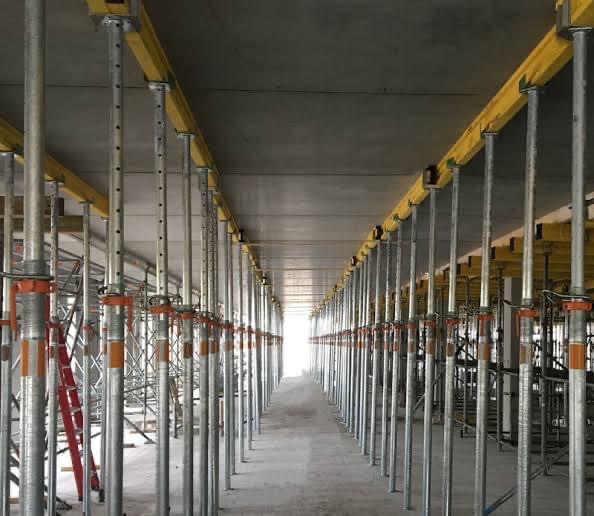
Post time: 2025-11-02 19:02:03