

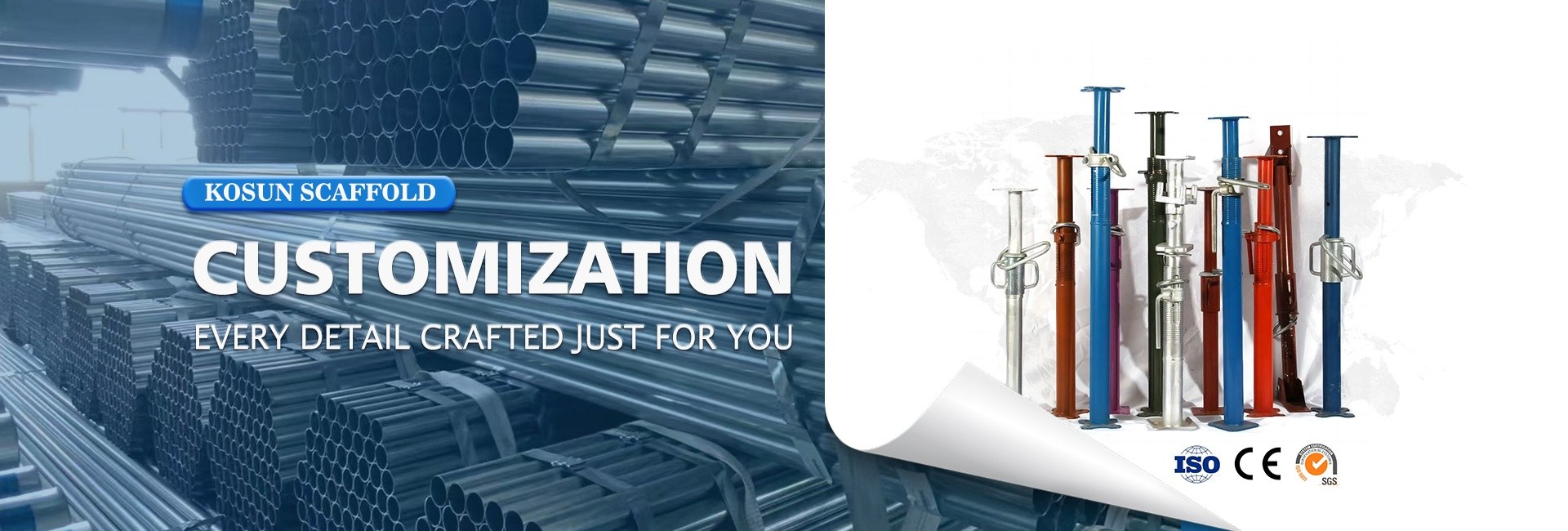
Choosing a scaffolding steel prop tripod can feel like picking a helmet for a skyscraper—too weak and everything wobbles, too strong and your budget faints dramatically on the spot.
Relax: match load capacity, adjustability, and safety standards. Compare certified products and follow expert guidance in reports like OSHA’s scaffolding safety guidelines before you buy.
🔧 Understanding Scaffolding Steel Prop Tripod Components and Basic Functions
Scaffolding steel prop tripods support vertical props so they stand firm during concrete work, masonry, or maintenance. Good design reduces movement, tipping, and on‑site safety risks.
When you choose a Scaffolding Steel Prop Tripod, look at each part, how they work together, and how easily your crew can install and adjust them.
1. Main Legs and Bracing Structure
The three steel legs spread the load and keep the prop upright. Strong bracing prevents sudden slips or collapse on uneven or rough ground.
- Heavy‑duty steel tubes
- Wide footprint for balance
- Welded or bolted bracing
- Non‑slip feet or base plates
2. Central Collar and Prop Connection
The collar holds the prop firmly in place and transfers load evenly. A precise fit keeps alignment straight and reduces bending stress.
| Feature | Benefit |
|---|---|
| Tight clamp design | Limits movement under load |
| Quick locking pin | Faster setup and removal |
3. Folding and Transport Mechanism
Tripods should fold quickly for storage and transport. Simple hinges and pins cut handling time and reduce labor costs on busy sites.
- Compact folded size
- Low overall weight
- Durable hinge joints
4. Ground Contact and Stability Features
Stable contact with the ground is vital. Look for feet that grip surfaces and spread forces safely, even on slightly sloped or dusty areas.
- Wide base plates
- Optional ground anchors
- Corrosion‑resistant coating
🏗️ Key Load Capacity Requirements for Safe and Stable Tripod Support
Load capacity defines how much weight the tripod and prop can safely carry. Always match tripod rating with prop capacity and project design loads.
When selecting a Scaffolding Shoring Prop Tripod, confirm test data, safety factors, and national standards so you avoid overload and structural failure.
1. Understanding Working Load Limits
Working load limit (WLL) shows the safe load in normal use. Always keep real loads below this number and consider dynamic effects like vibration.
| Tripod Class | Typical WLL (kN) |
|---|---|
| Light duty | 10–15 |
| Medium duty | 20–30 |
| Heavy duty | 35–45 |
2. Sample Load Comparison Chart
The sample chart below compares three tripod classes. Use similar data from your supplier to select safe products for slabs, beams, and formwork.
3. Safety Factors and Design Allowances
Good tripod systems use safety factors of 2.0 or higher. This margin helps handle load changes, impact, and small errors in site planning.
- Check manufacturer test reports
- Follow engineer load plans
- Never mix unknown components
4. Matching Tripods With Prop and Formwork Loads
Tripods support props that carry slab and beam loads from formwork. Always size systems from total design load back to each support point.
- Calculate slab thickness and span
- Include live and construction loads
- Use uniform layouts where possible
📏 Adjustability, Height Range, and Compatibility With Existing Scaffolding Systems
Adjustable tripods allow you to work safely at different heights and reuse equipment across many jobs, saving money and warehouse space.
Before buying a Steel Prop Tripod, confirm the full height range and how well it fits your current props and scaffold frames.
1. Height Range for Your Typical Projects
Pick tripods that cover your common floor‑to‑soffit heights. Extra range avoids custom shims and reduces setup complexity.
- Low rise: 2.0–3.5 m
- Medium rise: 3.0–4.5 m
- High soffits: 4.0 m and above
2. Compatibility With Prop Sizes and Head Types
Check prop outer diameter, head plates, and fork heads. The tripod collar and clamp should match these sizes without loose gaps.
| Prop Diameter | Tripod Collar Fit |
|---|---|
| 48–60 mm | Standard collar |
| 60–76 mm | Heavy‑duty collar |
3. Integration With Existing Scaffolding Systems
Tripods should work alongside frames, ledgers, and bracing. This supports mixed layouts where shoring, access, and protection all share the same area.
- Check coupling types
- Use standard tube sizes
- Confirm guardrail and access options
🛡️ Safety Standards, Surface Treatment, and Durability Considerations for Long-Term Use
Strong safety performance and long life reduce replacement cost and downtime. Look for tripods that meet clear standards and show quality finishes.
Surface treatment protects steel from rust, impact, and concrete residue, keeping your gear safe and easy to inspect over many projects.
1. Compliance With International and Local Standards
Tripods and props should follow EN, AS/NZS, or similar rules. Clear markings and documents help safety officers and engineers approve the system.
- Check standard codes on labels
- Ask for test certificates
- Keep manuals on site
2. Surface Coating and Corrosion Protection
Galvanized, powder‑coated, or painted finishes all protect steel. Choose based on weather, storage conditions, and expected service life.
| Finish | Typical Use |
|---|---|
| Hot‑dip galvanizing | Harsh outdoor sites |
| Powder coating | General building work |
3. Inspection, Maintenance, and Repair Practice
Regular checks find bends, cracks, or worn pins early. Simple cleaning and safe storage keep tripods ready for fast and safe deployment.
- Inspect before every use
- Replace damaged parts quickly
- Store dry and stacked safely
✅ Why Choosing Kosun Scaffolding Steel Prop Tripods Benefits Your Project
Kosun focuses on stable design, strict testing, and easy handling. This helps you deliver projects on time while protecting crews and structures.
By using matched systems from one supplier, you improve compatibility, speed up setup, and simplify training for new workers on the job.
1. Engineered Stability and Reliable Quality Control
Kosun tripods use quality steel, strong welds, and consistent dimensions. Each batch follows strict checks, giving repeatable performance from project to project.
- Stable under high loads
- Accurate fit with props
- Low failure risk
2. Wide Product Range for Different Site Needs
You can select light, medium, or heavy‑duty models, plus different finishes and sizes, to match housing, commercial, or infrastructure jobs.
| Project Type | Suggested Tripod |
|---|---|
| Housing | Light/medium duty |
| Commercial slabs | Medium/heavy duty |
3. Technical Support and Long-Term Value
Kosun can assist with selection, basic layout advice, and documentation. Durable products and strong backup reduce total cost over many service cycles.
- Support for planning
- Clear manuals and labels
- Lower lifetime cost
Conclusion
Choosing the right scaffolding steel prop tripod involves more than price. You must consider load capacity, height range, compatibility, and safety standards.
By focusing on stable design, durable coatings, and certified performance, you protect workers and structures and keep projects on schedule with fewer disruptions.
Frequently Asked Questions about scaffolding steel prop tripod
1. How do I know which load capacity tripod I need?
Start from your slab or beam design loads. Ask your engineer for load per prop, then choose a tripod and prop system with higher tested capacity.
2. Can I mix tripods from one brand with props from another?
It is not recommended. Even if sizes look similar, tolerances may differ. Always follow the manufacturer’s guidance and test data for mixed use.
3. How often should I inspect scaffolding steel prop tripods?
Inspect before each use and during long jobs at set intervals. Look for bends, corrosion, missing pins, and damaged welds. Remove unsafe units immediately.
4. Are galvanized tripods worth the extra cost?
For outdoor or long‑term projects, galvanized tripods usually last longer and need less maintenance, which often offsets the higher initial purchase price.
Post time: 2026-04-01 23:55:05