

The Importance of Scaffold Tower Safety
Scaffold towers are indispensable in construction and renovation projects, providing elevated platforms for workers. Ensuring safety features in these structures is crucial, as they mitigate risks associated with working at heights. From structural integrity to mobility, every component of a scaffold tower is designed to enhance safety and efficiency. In this article, we delve into the critical safety features of a speedy scaffold tower, considering insights from manufacturers, factories, and suppliers.
Structural Integrity and Material Strength
Lightweight Yet Durable Materials
Speedy scaffold towers utilize advanced materials like hot-dip galvanized steel and lightweight aluminum to balance strength and weight. These materials ensure that the scaffold can support significant loads while remaining easy to transport and assemble. A notable innovation is the use of higher-tensile steel grades, which reduce weight by up to 10% without compromising load-bearing capacity.
Load-Bearing Specifications
Scaffold towers must adhere to specific load-bearing capacities, defined by industry standards. Typically, these towers accommodate loads upwards of 200 kg per platform square meter, ensuring they can support multiple workers and their equipment. Factory testing is crucial for verifying these specifications, reinforcing the towers' reliability.
Secure Assembly and Disassembly Mechanisms
Tool-Free Assembly Techniques
Speedy scaffold towers often feature tool-free assembly mechanisms, allowing for quick and efficient setup. Manufacturer innovations include modular designs that click into place without bolts, minimizing the risk of incorrect assembly. These systems streamline operations, promoting safety through proper construction techniques.
Disassembly Protocols
Just as assembly is crucial, disassembly processes must be straightforward to prevent accidents. Factories provide clear guidelines that outline step-by-step disassembly procedures, reducing errors that could compromise structural integrity for future use.
Gap Management Between Scaffold Decks
Standardized Gap Specifications
Safety standards dictate that gaps between scaffold decks should not exceed 25 mm. Complying with these standards prevents slips and falls, ensuring a solid working surface. To address varying scaffold deck widths, manufacturers offer adaptable solutions, such as cover ledgers, to maintain consistent safety standards.
Innovative Deck Solutions
Manufacturers continue to refine deck systems, introducing designs that accommodate gaps ranging from 40 mm to 255 mm. These innovations provide flexibility in deck configurations, essential for meeting diverse project requirements while maintaining safety.
Versatility in Scaffolding Configurations
Adjustable Scaffold Tower Features
Adjustable scaffolding towers offer versatility, critical for projects requiring different height settings. These towers often feature spigot frames allowing easy modification to suit various tasks. Suppliers highlight the importance of this adaptability for complex projects, such as those involving intricate building geometries.
Cantilever Extensions for Obstacle Navigation
Cantilever extensions on scaffold towers enable workers to safely navigate obstacles like rooftops and building facades. Factories design these extensions to protrude beyond the base footprint, enhancing access while maintaining safety and stability.
Enhanced Stability with Anchoring Systems
Anchoring Techniques
Anchoring is vital for scaffold tower stability. Systems must resist tensile and compressive stress, ensuring structures are firmly attached to the building facade. Suppliers provide various anchoring options, such as wall ties and corner plate couplers, that enhance stability in challenging environments.
ETICS Tie Systems
ETICS (External Thermal Insulation Composite Systems) ties distribute forces parallel to the facade, crucial for maintaining structural integrity when using insulation systems. These innovative ties, developed by manufacturers, are essential safety features in modern scaffold towers.
Safety Features for Working at Heights
Guardrails and Protective Barriers
Guardrails are non-negotiable in scaffold tower safety, preventing falls from elevated platforms. Factories equip these towers with protective barriers that comply with stringent safety regulations, offering peace of mind for workers at height.
Slip-Resistant Surfaces
Manufacturers design scaffold tower platforms with slip-resistant surfaces, crucial for preventing accidents. These surfaces, often made from textured aluminum or steel, provide additional traction, significantly enhancing safety in various weather conditions.
Mobility and Adjustability in Scaffold Towers
Locking Wheels for Mobility
Mobile scaffold towers feature locking wheels, enabling easy transportation across worksites. These wheels are designed by suppliers to handle different terrains, facilitating smooth movement without compromising stability. The ability to lock wheels in place is essential for ensuring secure positioning during work periods.
Height Adjustability for Diverse Tasks
Height adjustability is a key feature in scaffold towers, necessary for tasks requiring access to different elevations. Suppliers offer towers with adjustable height settings, allowing for seamless transitions between projects with varying height demands.
Importance of Training and Certification
PASMA Training for Scaffold Safety
Training is crucial for scaffold tower safety. PASMA (Prefabricated Access Suppliers' and Manufacturers' Association) offers certification programs that ensure workers are competent in using mobile towers. Factories often recommend these programs to improve safety on construction sites.
Continuous Education and Compliance
Ongoing education is vital for maintaining scaffold tower safety standards. Manufacturers and suppliers emphasize the need for regular training updates to stay informed about new safety practices and regulations, ensuring compliance and mitigating risks.
Maintenance, Rental, and Cost Considerations
Regular Maintenance Routines
Regular maintenance is essential for scaffold tower safety. Manufacturers and suppliers provide guidelines for routine inspections and upkeep, ensuring towers remain in optimal condition. This proactive approach prevents accidents and prolongs the lifespan of the equipment.
Cost-Effective Rental Solutions
Renting scaffold towers can be more cost-effective than purchasing, particularly for short-term projects. Suppliers offer flexible rental plans, allowing access to a variety of tower types without significant financial commitments. This option is particularly beneficial for manufacturers with fluctuating project demands.
Kosun Provide Solutions
At Kosun, we are committed to delivering innovative and safe scaffold tower solutions to meet diverse project needs. Our towers are designed with cutting-edge safety features, including adjustable heights, locking wheels, and robust anchoring systems. We provide comprehensive training programs to ensure users are competent and confident in utilizing our products. Our rental options offer flexibility and affordability, making Kosun the ideal partner for your scaffold tower requirements. Trust Kosun for reliable, safe, and efficient solutions tailored to your needs.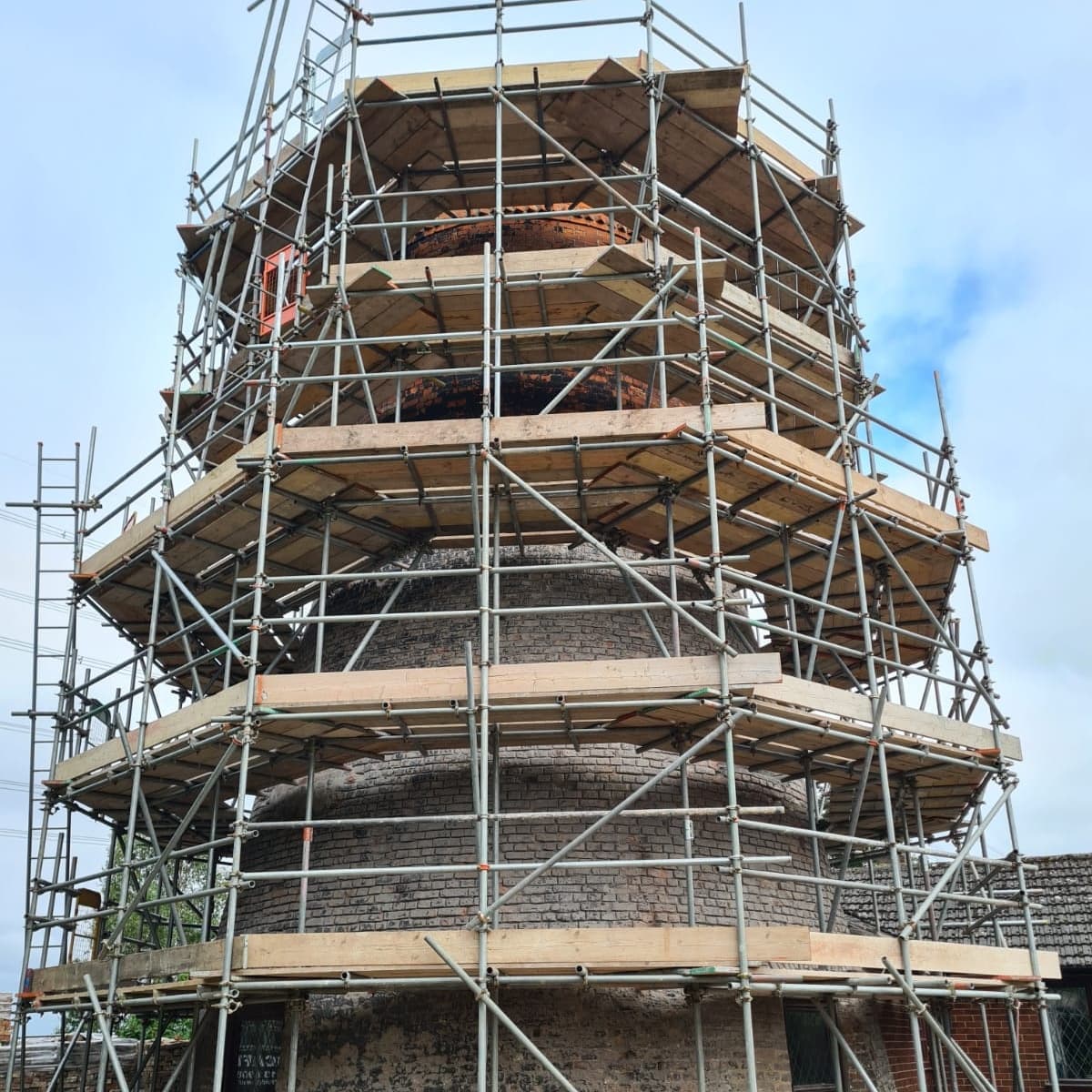
Post time: 2025-11-26 20:31:04