

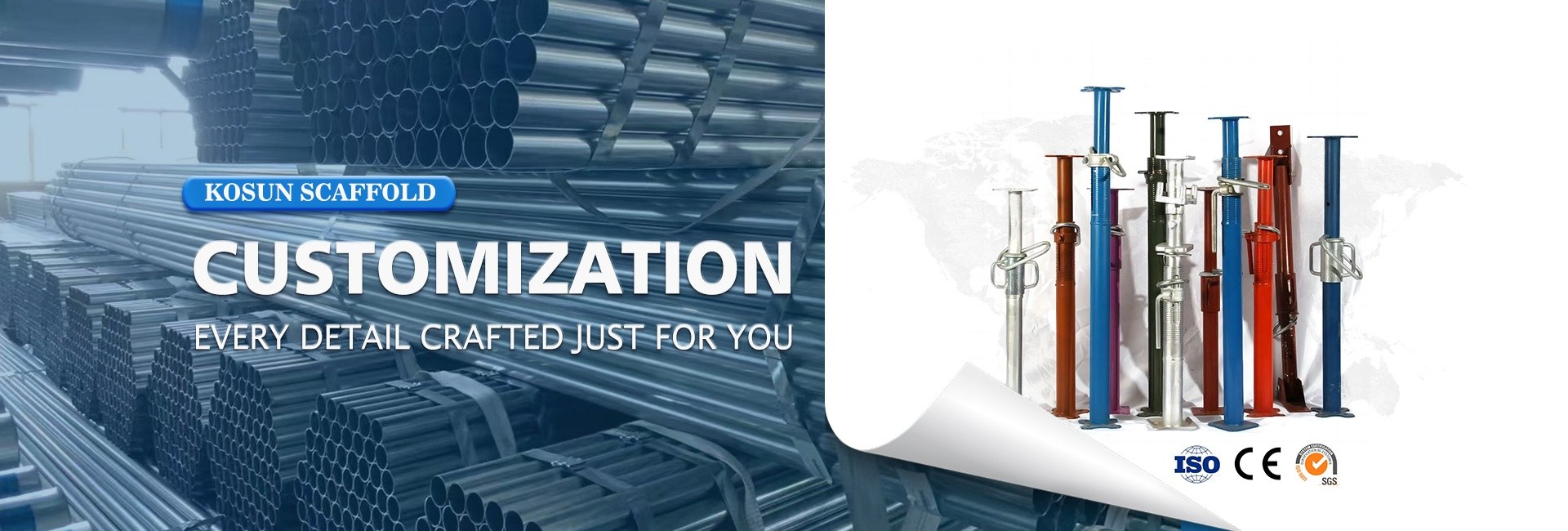
Introduction to Heavy-Duty Shoring Jacks
Heavy-duty shoring jacks are integral components in construction and engineering projects, providing essential support and stability. These jacks are utilized to hold up structures during various construction phases, including formwork, lifting, and repairs. The choice of material used in the construction of these jacks is crucial as it directly affects their durability, load-bearing capacity, and effectiveness.
Core Materials Used in Shoring Jacks
Commonly Used Materials
Heavy-duty shoring jacks are predominantly made from high-strength metals such as carbon steel and aluminum alloys. These materials are selected based on their mechanical properties, including strength, ductility, and resistance to environmental factors.
Advantages of Carbon Steel in Shoring Jacks
Strength and Durability
Carbon steel is often used in the manufacturing of shoring jacks due to its excellent tensile strength and durability. This material can withstand heavy loads, making it ideal for supporting large structural elements. For instance, carbon steel shoring jacks can support loads exceeding 20,000 lbs (approximately 9,072 kg).
Economic Benefits
Carbon steel is not only strong but also cost-effective. This allows manufacturers to produce high-quality shoring jacks at competitive prices, making them accessible to a broader range of construction projects.
Use of Aluminum Alloys in Shoring Jacks
Lightweight Properties
Aluminum alloys are favored for their lightweight characteristics, making them easier to handle and transport. Despite their light weight, they provide adequate strength, supporting loads of up to 15,000 lbs (approximately 6,800 kg) depending on the specific alloy and design.
Corrosion Resistance
Aluminum alloys offer excellent resistance to corrosion, which is critical for jacks used in outdoor or marine environments. This extends the lifespan of the jacks and reduces maintenance costs.
Incorporating Plastic Components for Longevity
Enhancing Durability
Manufacturers sometimes incorporate high-strength plastics and polymers into the design of shoring jacks. These materials are used in components such as handles, grips, or knobs to enhance user comfort and extend the overall durability of the jacks.
Shock Absorption
Plastic components can also provide shock absorption, thereby reducing the impact during handling and setup and prolonging the life of the jack.
Manufacturing Process of Shoring Jacks
Precision Engineering
The manufacturing of heavy-duty shoring jacks involves precision engineering to ensure safety and reliability. The process includes cutting, welding, and assembling various components, followed by rigorous quality control measures.
Custom Options
Manufacturers offer custom shoring jack designs to meet specific project requirements. This includes variations in size, load capacity, and adjustability to suit different construction needs.
Adjustable Shoring Jacks: Flexibility and Utility
Height Adjustability
Adjustable shoring jacks are popular for their versatility. They feature telescoping mechanisms allowing variable height adjustments, typically ranging from 1.6 feet (approximately 0.5 meters) to over 9 feet (approximately 2.7 meters).
Benefits in Construction
These jacks provide flexibility in construction sites, accommodating uneven ground or varying project heights. This adaptability makes them invaluable across various construction scenarios, from residential to commercial projects.
Application Scenarios for Heavy-Duty Shoring Jacks
Formwork Support
Shoring jacks are essential in supporting formwork systems during concrete pouring. Ensuring stability and alignment, they prevent deformation or collapse during the curing process.
Renovation and Repairs
In renovation projects, shoring jacks stabilize existing structures, allowing for safe demolition or reconstruction of walls, ceilings, or floors without compromising structural integrity.
Maintenance and Care for Shoring Jacks
Regular Inspections
Consistent maintenance is vital for the longevity of shoring jacks. Regular inspections should focus on checking for any signs of rust, deformation, or mechanical wear.
Best Practices
Maintenance best practices include cleaning, lubrication of moving parts, and protective coatings to prevent corrosion. Proper storage in a dry and secure environment also extends the life of the jacks.
Conclusion: Selecting the Best Shoring Jack
Choosing the best shoring jack involves considering the specific requirements of the construction project, including load-bearing capacity, material durability, and environmental conditions. Consultations with manufacturers can guide the selection process, ensuring the jacks meet both safety standards and project specifications.
Kosun Provide Solutions
Kosun offers tailored solutions for your construction needs, providing a wide range of heavy-duty shoring jacks made from premium materials like carbon steel and aluminum alloys. With customizable options to meet specific project demands, Kosun ensures durability and reliability. Our expert team is dedicated to delivering outstanding customer service and technical support to help you select the right shoring jacks for your construction projects, ensuring safety and efficiency every step of the way.
User hot search: heavy duty shoring jack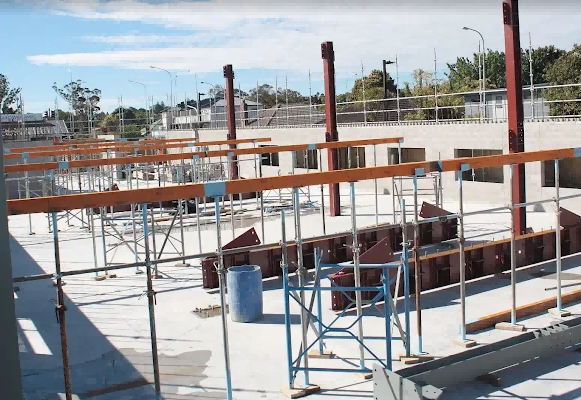
Post time: 2025-10-09 17:32:11