

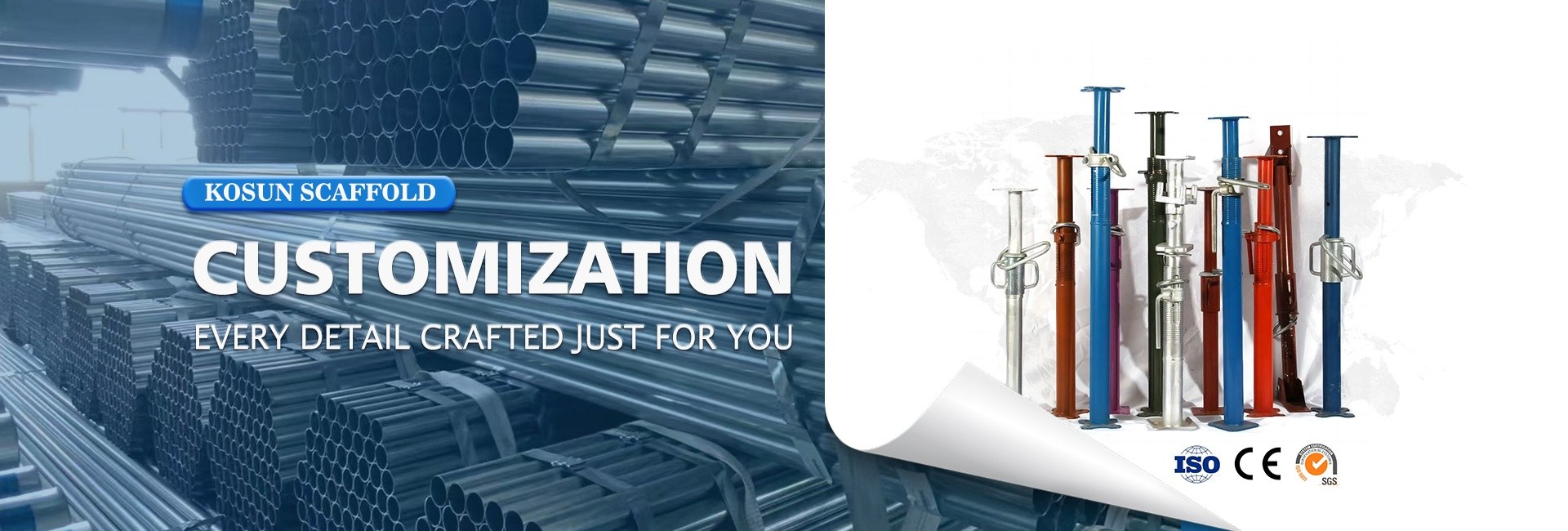
Buying tripod stands for props in 2026 feels like speed‑dating with metal sticks—too many options, mysterious labels, and you still end up with the wobbly one in the back.
This market outlook cuts the noise, explains real demand, durability trends, and pricing paths, and points you to data-backed choices, supported by insights like the Grand View Research Tripods Market Report.
📌 Macroeconomic Trends Shaping 2026 Demand for Professional Tripod Stands
By 2026, steady construction recovery, government infrastructure plans, and careful capital spending will shape global demand for strong, adjustable tripod stands and props.
Buyers will favor systems that reduce setup time, support heavier loads, and comply with stricter site safety and quality control rules.
1. Infrastructure Spending and Urban Growth
Emerging markets will expand bridges, transit lines, and high‑rise housing, lifting demand for stable tripod supports in complex formwork systems.
- More multi‑story projects
- Longer project pipelines
- Higher standard loads on props
2. Labor Shortages and Site Productivity
Contractors will fight rising labor costs by using tripods that assemble faster, stay stable on uneven ground, and cut rework on site.
- Tool‑free locking systems
- Lighter but strong frames
- Clear markings to reduce errors
3. Risk Management and Compliance Pressure
Insurers and regulators will push buyers toward tested tripod systems with traceable materials and clear performance documents.
| Factor | Buyer Impact |
|---|---|
| Stricter audits | Need certified tripods |
| Higher penalties | Shift to proven brands |
4. Shift from Rental to Mixed Ownership
Many firms will blend rental props with owned tripod stocks to control long projects and rush jobs more easily.
- Owned tripods for core work
- Rental for peak loads
- Standardized models across sites
🎬 How Film and Content Production Growth Drives Need for Reliable Tripod Stands
Streaming, social media, and virtual production will boost demand for flexible tripod stands that hold lights, cameras, and set pieces safely under daily use.
Studios, rental houses, and live‑event crews will all look for higher load ratings and fast adjustment to keep shoots on schedule.
1. Streaming Platforms and Series Production
Ongoing growth in original series will require more location shoots and repeat use of rugged, stable tripods for set dressing and lighting rigs.
- Higher shoot volumes
- More travel‑heavy gear
- Need for quick deployment
2. Short‑Form and Creator Content
Agencies and brands will request mobile tripod systems that move from studio to street while still supporting heavier fixtures safely.
3. Virtual Production and LED Volume Stages
These stages will use tripod stands to support screens, reflective panels, and safety barriers around high‑value camera gear.
| Need | Tripod Feature |
|---|---|
| Precise height | Fine adjustment collars |
| Cable management | Attachment points |
4. Rental Houses and Standardization
Rental companies will standardize on durable tripod platforms that fit many heads and clamps, simplifying upkeep and training.
🛠️ Key Technical Innovations in Tripod Stands Prop Buyers Should Track
By 2026, technical gains will focus on higher strength‑to‑weight ratios, faster locking systems, and better compatibility with formwork and scaffolding parts.
Prop buyers should watch how these upgrades cut setup time and reduce damage in heavy daily use.
1. Advanced Steel Grades and Coatings
New steel grades and zinc‑rich coatings will help tripod legs resist bending, corrosion, and paint damage on tough building sites.
- Higher load ratings
- Longer service life
- Lower repaint needs
2. Smarter Adjustment and Locking Designs
Improved collars and foot designs will let crews level props faster while keeping a firm grip on rough or sloped surfaces.
3. System Integration with Props and Frames
Tripods will connect more smoothly with props, ledgers, and frames, reducing loose parts and setup mistakes.
| Component | Benefit |
|---|---|
| Integrated collars | Faster mounting |
| Unified pins | Fewer spare parts |
📊 Cost, Durability, and Performance Factors Favoring Kosun Tripod Stands in 2026
In 2026, buyers will favor tripod stands that balance upfront price with long life, easy handling, and safe performance under heavy loads.
Kosun designs target these needs with robust steel builds and compatible components across its prop support lines.
1. Lifecycle Cost Versus Low Purchase Price
Lower replacement and repair rates often make quality tripods cheaper over the full project cycle than low‑cost, low‑spec options.
- Fewer failures
- Less downtime
- Higher resale value
2. Durability in Harsh Jobsite Conditions
Kosun’s Scaffolding Steel Prop Tripod is built to handle impacts, moisture, and rough handling without losing stability.
3. Performance Across Multiple Use Cases
From slab support to set building, Kosun’s Formwork Prop Tripod and Steel Prop Tripod offer wide adjustment ranges and reliable locking performance.
🌍 Sustainability, Materials, and Safety Standards in the Future Tripod Stand Market
By 2026, buyers will look harder at recycled content, safe coatings, and strong safety records when selecting tripod stands for props.
Producers that document compliance and offer clear traceability will stand out in bids.
1. Recyclable Materials and Lower Emissions
Manufacturers will favor high‑recycled steel and efficient welding lines to cut carbon footprint without lowering strength.
- Recycled steel inputs
- Energy‑efficient plants
- Waste reduction programs
2. Compliance with Global Safety Codes
Tripod designs will align with major regional standards, giving contractors confidence when working across borders.
3. Training, Labels, and User Guidance
Clear labels, QR‑linked manuals, and load charts will support safer daily use and simpler onboarding for new workers.
| Tool | User Benefit |
|---|---|
| QR manuals | Fast instructions |
| Load charts | Correct prop choice |
Conclusion
By 2026, tripod stands for props will face higher expectations on load capacity, speed, and safety. Buyers will weigh lifecycle cost and compliance more than ever.
Suppliers that combine strong engineering, durable finishes, and clear data will help contractors and studios work faster while keeping crews and equipment safe.
Frequently Asked Questions about tripod stand for prop
1. What is a tripod stand for prop used for?
A tripod stand for prop supports adjustable steel props, keeping them upright and stable while carrying slab, beam, or set loads during work.
2. How do I choose the right tripod stand size?
Match the tripod to your prop diameter, target load, and working height. Always follow the manufacturer’s load charts and safety notes.
3. Are tripod stands suitable for uneven ground?
Yes, many designs include shaped feet and wide leg spreads for uneven surfaces. Still, you should level and secure the base before loading.
4. How often should I inspect tripod stands?
Inspect before each use and schedule deeper checks every few months, or more often on harsh sites, looking for bends, rust, and loose joints.
5. Can one tripod model work across different projects?
Often yes, if you choose a versatile, compatible design. Standard diameters and connectors let one tripod family serve many job types.
Post time: 2026-02-20 14:55:02