

1. Project Requirement Analysis
First, clarify the specific project requirements, structural form and special construction requirements, including building height, span and working surface distribution. These factors directly affect the selection of scaffolding type and the design of erection plan.
2. Material Selection and Procurement
Determine the required steel pipe specifications and material requirements according to the design plan, and select qualified fasteners and other connecting accessories to ensure overall structural stability and safety. All scaffolding materials must pass quality inspection before entering the site and can only be used if they meet relevant standards. In addition, consider the reusability and economy of scaffolding materials to reduce costs and improve resource utilization efficiency.
3. Design and Construction Plan Compilation
Qualified technicians shall compile construction drawings and special safety plans. The plan shall include vertical pole spacing, horizontal pole and longitudinal support arrangement, diagonal bracing position, etc., and ensure it meets the bearing capacity and stability calculation requirements, in line with relevant standards (such as JCJ59‑20XX). The plan shall also clarify safety and quality assurance measures during construction to ensure safe and controllable construction and qualified quality.
4. On-site Preparation and Implementation
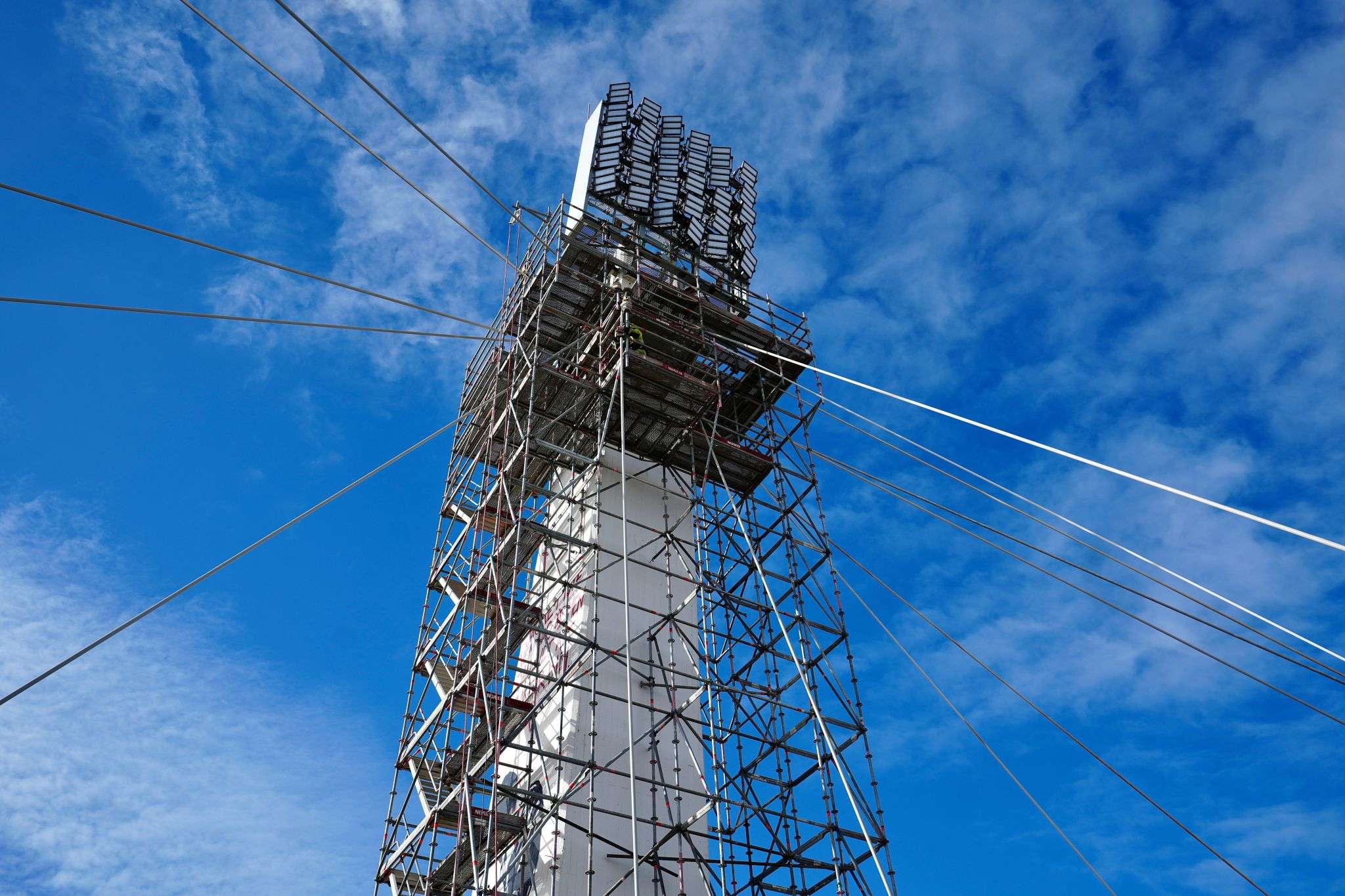
After completing foundation preparation such as site leveling and compaction according to the design plan, start scaffolding erection and installation. Strengthen safety education and technical disclosure for on-site operators to ensure they are familiar with operating procedures and safety precautions. Strictly implement construction processes and quality inspection standards during construction, implement quality control, and timely detect and handle potential quality problems and safety hazards to ensure smooth and safe construction.
Post time: 2026-04-08 09:19:48