

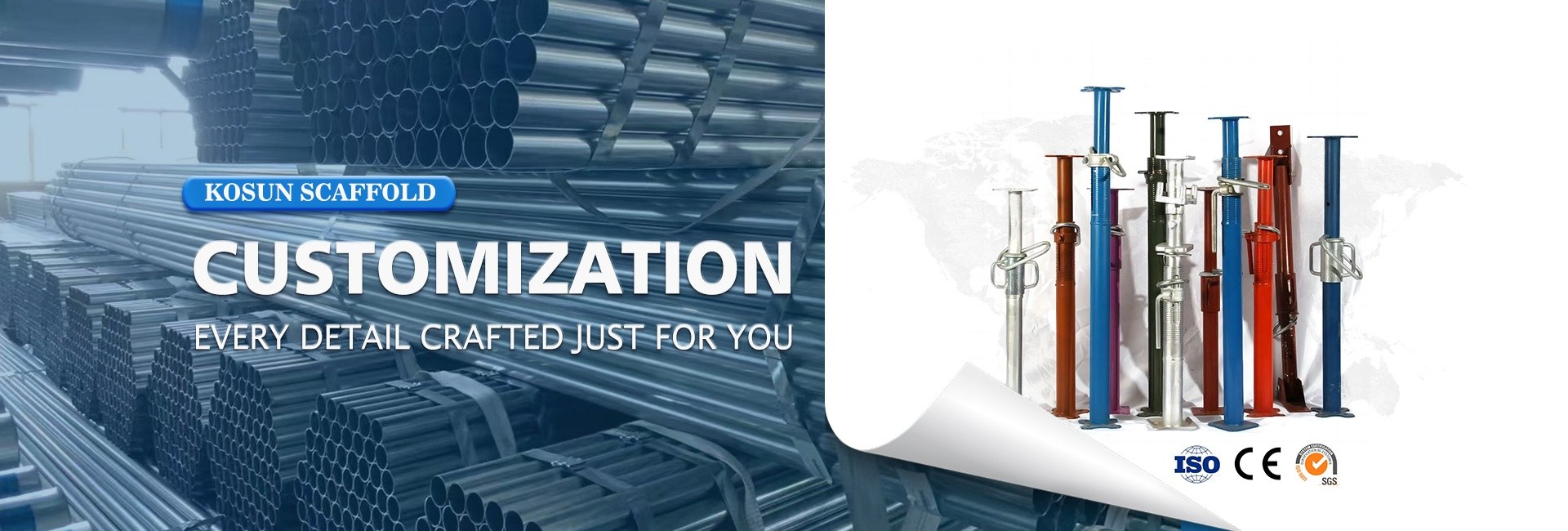
Tired of boards wobbling like jelly every time someone sneezes on your scaffold? You’re not alone—nothing kills job-site confidence faster than mystery creaks and shaky planks under your boots.
Learn how proper board retaining couplers, smart load limits, and simple safety checks keep platforms solid and stress-free. Follow trusted guidance like OSHA’s scaffold standards in this report: OSHA Scaffolding Safety.
🛠️ Understanding Board Retaining Coupler Functions in Scaffolding Stability
Board retaining couplers lock scaffold boards in place, prevent movement, and help keep platforms stable under changing site loads, wind, and worker traffic.
They work with standards, ledgers, and fittings like Beam Clamp and JIS Bone Joint to form a safe, rigid working platform.
1. Main Role of Board Retaining Couplers
These couplers grip the board edge and tube, stopping lift, shift, or slide. This improves footing security and reduces the risk of slips and falls.
- Hold boards tight against scaffold tubes
- Stop uplift from wind or impact
- Limit gaps between boards
- Improve platform stiffness under load
2. How They Improve Overall Scaffold Stability
By fixing each board to the tube, couplers spread loads evenly and help the scaffold act as one solid system instead of loose pieces.
- Better load sharing between bays
- Less board bounce and deflection
- Stronger edge protection when used with guardrails
- Improved stability under horizontal forces
3. Compatibility with Other Key Components
Always match coupler type and size to the scaffold tubes and boards. Use engineered systems that are designed and tested to work together.
| Component | Check Point |
|---|---|
| Coupler | Right size, correct design, certified |
| Tube | Diameter, wall thickness, damage free |
| Board | Width, thickness, sound timber/steel |
4. When to Use Board Retaining Couplers
Use them wherever boards risk movement, especially on high levels, near edges, stair access zones, and areas with heavy tool or material storage.
- Perimeter platforms and facade work
- Loading bays and material storage areas
- Stair landings and access points
- Wind-exposed or high-rise structures
⚖️ Key Factors Affecting Load Capacity of Board Retaining Coupler Scaffolds
Load capacity depends on coupler strength, board span, tube grade, and erection quality. Site conditions, wind, and dynamic worker loads also change real performance.
Always follow manufacturer data for each Board Retaining Coupler type and apply national safety factors and local code rules.
1. Material Grade and Design Strength
Steel grade, forging quality, and bolt strength directly affect safe working load. Only use certified couplers with known test results and clear markings.
| Coupler Type | Typical SWL (kN)* |
|---|---|
| Standard board retaining | 6.0–9.0 |
| Heavy-duty board retaining | 10.0–15.0 |
| Custom engineered | Project specific |
*Indicative only. Always follow the manufacturer’s data sheet.
2. Influence of Span, Level, and Layout
Longer board spans and fewer ledgers reduce capacity. Extra levels add vertical load and can create higher forces in couplers at lower lifts.
- Shorter spans usually mean higher capacity
- More ledgers reduce board bending
- Extra bracing supports couplers under lateral loads
3. Effect of Erection Quality and Torque
Under‑tightened or over‑tightened bolts reduce safe load. Use calibrated torque tools and follow the stated torque range for each coupler model.
- Clean threads before tightening
- Use correct spanner and torque
- Re‑check torque after first loading
4. Simple Load Comparison (Bar Chart)
The chart below shows an example comparison of relative load capacity for three scaffold bays with different board spans and coupler layouts.
🧱 Correct Installation Methods to Maximize Coupler Strength and Safety
Correct fitting of each board retaining coupler is essential to reach rated capacity and keep platforms safe during typical construction activities.
1. Prepare Tubes and Boards Before Fixing
Check tubes for dents, rust, and oil. Inspect boards for splits and decay. Make sure contact surfaces are clean and dry before installation.
- Reject bent tubes and cracked boards
- Clean dirt, concrete, and grease
- Confirm proper board width and thickness
2. Position Couplers at the Right Locations
Place couplers close to board ends and along edges to stop uplift. Keep spacing regular to spread loads evenly across the platform.
| Position | Typical Practice |
|---|---|
| End support | Within 150 mm of board end |
| Edge line | Continuous line where risk of uplift exists |
| Intermediate | As required by design |
3. Tighten and Verify Each Connection
Tighten bolts smoothly to the specified torque. Do not hammer spanners or use damaged tools. Re‑check after heavy loading or impact events.
- Use calibrated torque wrench where required
- Do not exceed the manufacturer torque limit
- Record checks in the scaffold inspection log
🔍 Common Safety Hazards with Board Retaining Couplers and How to Prevent
Poorly chosen or installed couplers can lead to loose boards, trips, and even platform collapse. Regular checks and clear procedures reduce these risks.
1. Loose or Missing Couplers
Missing couplers allow boards to shift or lift. Loose fittings reduce capacity and can lead to sudden platform movement under load.
- Count couplers against design drawings
- Inspect for missing parts each shift
- Tag and stop use if key fittings are absent
2. Corrosion and Metal Fatigue
Rust, pitting, and deformation weaken the steel body. Old, over‑used couplers may not carry the design load even if they look intact.
| Defect | Action |
|---|---|
| Heavy rust | Remove from service |
| Cracks or bent body | Scrap immediately |
| Worn threads | Replace with new unit |
3. Overloading and Unplanned Loads
Stacked bricks, heavy pallets, or suspended equipment can exceed design loads. Unplanned loads often appear at platform edges and corners.
- Follow loading signs and design limits
- Use loading bays for heavy materials
- Do not hang hoists or winches from couplers
✅ Routine Inspection Checklist and Maintenance Tips for Long-Lasting Kosun Scaffolding Systems
Regular inspection and simple maintenance keep Kosun board retaining couplers and full scaffold systems reliable, safe, and cost‑effective over many projects.
1. Daily Visual Checks by Users
Workers should quickly scan platforms before use, looking for loose boards, missing couplers, and obvious damage or movement.
- Check board tightness and alignment
- Look for slipped or rotated couplers
- Report defects to the competent person
2. Formal Inspections by a Competent Person
Carry out recorded inspections at required intervals and after strong winds, impacts, or design changes to confirm ongoing structural safety.
| Timing | Inspection Focus |
|---|---|
| Weekly | Coupler tightness, damage, corrosion |
| After storms | Movement, uplift, misaligned boards |
| After changes | Layout, added loads, extra lifts |
3. Storage, Cleaning, and Replacement Policy
Store couplers dry and sorted by type. Clean off concrete and dirt. Remove any damaged or suspect couplers from circulation promptly.
- Use covered bins or racks for fittings
- Dry couplers before long‑term storage
- Mark scrap units so they cannot return to site
Conclusion
Board retaining couplers are small parts with a large role in scaffold safety. Correct selection, installation, and inspection greatly improve platform stability and load performance.
By following clear procedures and using quality Kosun components, contractors can protect workers, meet legal standards, and extend the service life of every scaffolding system.
Frequently Asked Questions about board retaining coupler scaffolding
1. How many board retaining couplers do I need per bay?
It depends on span, board layout, and design load. As a rule, secure all exposed board edges and ends. Always follow the project engineer’s layout drawing.
2. Can I mix different brands of couplers on one scaffold?
Mixing is not recommended. Different brands may have different capacities and tolerances. Use one certified system, or get approval from a competent engineer first.
3. How often should board retaining couplers be replaced?
There is no fixed time limit. Replace couplers when they show rust, cracks, bent bodies, or worn threads. Regular inspections will highlight when change‑out is needed.
4. Are board retaining couplers suitable for steel decks as well as timber boards?
Many are, but not all. Check the product data sheet. Use couplers specifically designed and tested for the deck type and thickness you plan to install.
Post time: 2026-06-29 21:26:03