

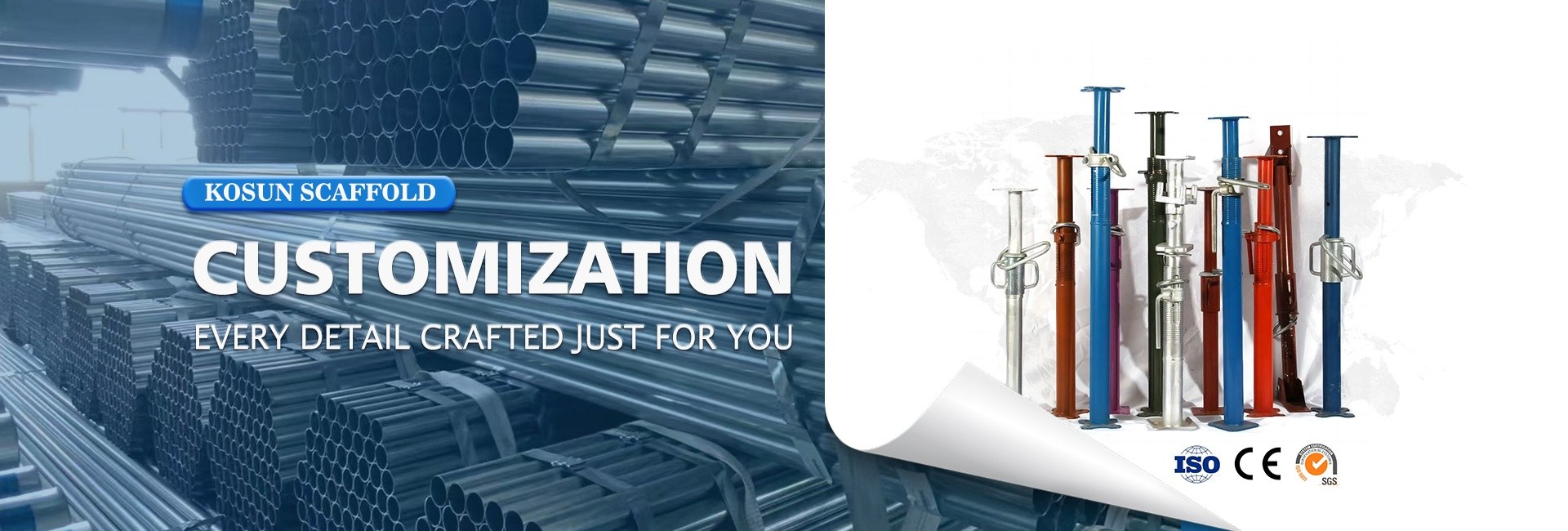
Importance of Ground Preparation for Shoring Jacks
Ensuring a firm and flat surface is crucial before deploying a shoring jack. An uneven or soft ground can compromise the stability of the jack and lead to dangerous situations. If the terrain is soft, like dirt or sand, using a plywood sheet, steel plate, or concrete block under the base plate helps to distribute the weight uniformly and prevent the jack from sinking.
Using Base Plates
Base plates act as foundational aids that enhance stability. For custom shoring solutions, especially in industrial applications, suppliers offer a variety of plates to suit different terrains.
Proper Alignment of Shoring Jacks
Positioning the shoring jack directly under the load ensures that no lateral stress is applied, which can lead to instability and potential collapse. Correct alignment guarantees that the load is evenly distributed across the jack.
Checking for Misalignment
Misalignment can occur if the jack is not directly centered beneath the load. Regular checks and adjustments may be necessary, particularly in dynamic environments such as construction sites.
Methods to Extend Shoring Jacks
Shoring jacks can be adjusted using different mechanisms depending on their design. Screw-type jacks require you to turn the crank clockwise to extend and counterclockwise to retract. Pin-type jacks involve pulling a pin, sliding the inner tube, and reinserting the pin at the desired height.
Custom Extension Techniques
Factory-produced jacks may have unique extension features tailored for specific applications. Consulting with the supplier for bespoke solutions can be invaluable.
Ensuring Secure Contact with the Load
Once extended, the top plate of the jack must come into firm but gentle contact with the load. This ensures that the load is supported without over-tightening, which can damage both the jack and the load.
Maintaining Even Pressure
Uneven pressure can cause part of the load to shift, creating instability. Ensuring the contact between the load and the jack is even helps distribute pressure uniformly.
Verifying Vertical Alignment
Using a level to ensure that the jack is perfectly vertical is critical for maintaining stability. A tilted jack can result in shifting loads or complete collapse, which is hazardous in environments like construction sites.
Adjustment Techniques
If the jack is not vertical, adjust the base or top plate as needed. This ensures that the jack can support the load safely without risk of collapse.
The Role of Bracing in Stability
Bracing becomes essential when dealing with tall jacks or environments subject to vibrations. Lateral braces should be added to prevent swaying.
Bracing Materials and Techniques
Wooden or steel braces can be employed. The choice of material often depends on specific project requirements and load capacities suggested by the supplier.
Load Distribution and Capacity Limits
When using multiple shoring jacks, evenly distributing the load is crucial. Each jack should be labeled with its maximum capacity to avoid overloading, which can lead to failure.
Determining Load Capacities
Factory specifications usually provide detailed load capacity charts, which should be followed meticulously to ensure safety and compliance.
Monitoring and Maintenance During Use
Regular inspections are essential to identify any issues such as sinking base plates, bending tubes, or loose adjustment mechanisms. Addressing these issues promptly prevents accidents.
Inspection Protocols
Create a checklist for daily inspections, especially in high-stress environments. This should involve checking for signs of wear and tear or misalignment.
Safe Retraction of Shoring Jacks
When retracting shoring jacks, ensure the load is fully supported by permanent structures before removal. Gradually retract the inner tube to release the load safely.
Step-by-Step Retraction Process
Follow a systematic approach: confirm support by permanent structures, slowly retract to avoid sudden drops, and clean the jack post-use to maintain its lifespan.
Essential Tools and Materials for Adjustments
Shoring jack adjustments often require basic tools such as hammers, levels, and screwdrivers. Materials like 4x4 timber posts and nails may be necessary depending on the project requirements.
Custom Toolkits
Suppliers typically recommend specific toolkits to accompany their jacks, which can be customized based on the project scope and complexity.
Kosun Provide Solutions
At Kosun, we offer comprehensive solutions tailored to your shoring needs. Our products are designed to meet stringent safety and performance standards, ensuring reliable support for your projects. We provide customized shoring solutions by assessing the unique requirements of each project. Our extensive range of shoring jacks, coupled with personalized consultation, guarantees optimal performance and safety. For specialized needs, contact our expert team to explore how we can support your project with dependable and efficient shoring systems.
User hot search: shoring jack for slab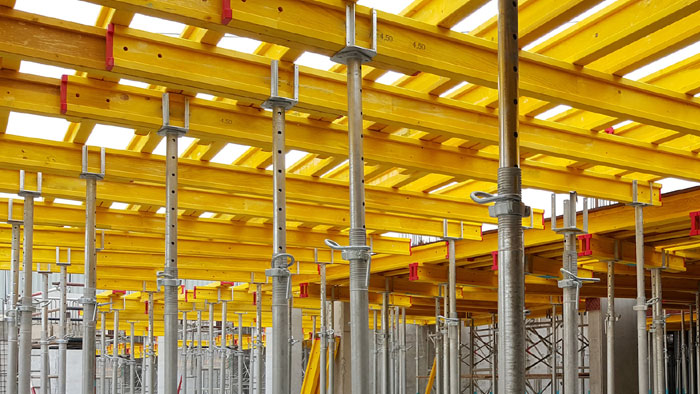
Post time: 2025-10-17 17:46:02