

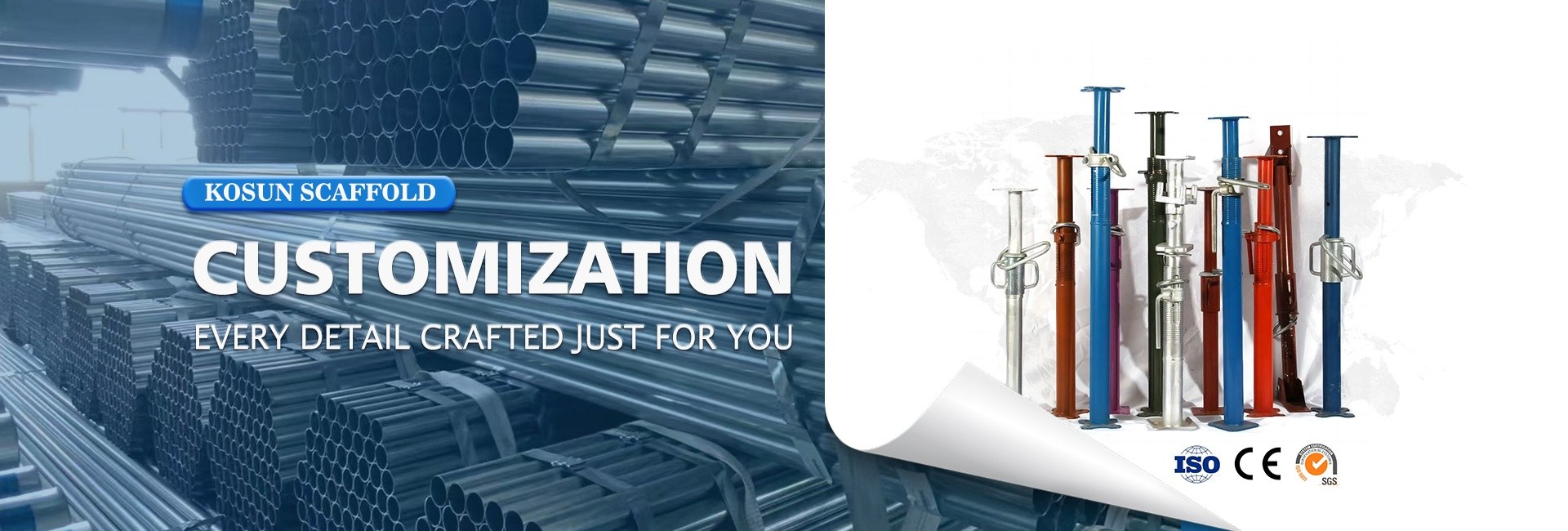
Worried your custom scaffolding prop tripods might hold paint cans but not people? Before you start tap-dancing on that platform, let’s admit it: guessing load capacity is not a structural engineering method (no matter how confident you feel).
To fix this, confirm load capacity using rated components, manufacturer data, and certified testing methods backed by standards like EN 12811 and OSHA guidelines; for deeper guidance, review this technical report: OSHA Scaffolding Guide.
⚙️ Understanding Key Factors Affecting Tripod Scaffolding Load Capacity
Confirming load capacity of a custom scaffolding prop tripod means checking design, steel grade, dimensions, and field conditions together. This helps prevent overload and sudden failure.
Always match the tripod with the correct prop system. Certified products, such as a Scaffolding Shoring Prop Tripod, give clear technical data and safer performance.
1. Material Grade and Tube Thickness
Steel strength and wall thickness decide how much load a tripod can safely carry before bending or buckling.
- Check mill certificates or product datasheets.
- Avoid mixing different steel grades in one support line.
- Confirm corrosion protection to keep capacity stable over time.
2. Geometry, Height, and Spindle Extension
Longer props and higher spindle extension reduce load capacity, especially when bracing is weak or missing.
| Spindle Extension | Typical Effect on Capacity |
|---|---|
| 0–25% | Near full rated capacity |
| 25–50% | Noticeable reduction, use chart |
| 50–75% | Capacity drops sharply, engineer check |
3. Base, Head, and Ground Conditions
Weak ground or poor base plates can cause settlement and tilt, even if the tripod itself is strong.
- Use full-size base plates on compacted, level ground.
- Spread load with sole boards on soil or asphalt.
- Keep heads fully seated under formwork or beams.
4. Bracing, Spacing, and Load Direction
Tripods help keep props vertical, but you must also consider spacing and horizontal bracing to stop sway.
- Keep props plumb; limit horizontal loads.
- Follow manufacturer spacing rules.
- Brace lines of props to act like one stable system.
📐 Reading and Interpreting Load Rating Charts and Engineering Data
Load charts and engineering notes turn complex checks into clear limits for height, spacing, and concrete pour stages.
Always read the chart for your exact model, including a certified Steel Prop Tripod, and apply the safety factor already built in.
1. Understanding Safe Working Load (SWL) vs. Test Load
Test load is higher than the allowed site load. Safe Working Load (SWL) is the limit you must stay under.
| Term | Meaning |
|---|---|
| Test Load | Lab load used to prove strength |
| SWL | Approved load for real work |
| Factor of Safety | Ratio between test and SWL |
2. Using Height–Load Charts Correctly
Each chart row links a given prop height and extension with a maximum load. Use the lower value if data conflicts.
- Locate your prop type and steel grade first.
- Find working height and jack extension.
- Read the matching maximum line load or point load.
3. Sample Bar Chart: Capacity vs. Height
The script below shows a simple bar chart example comparing typical capacities at different prop heights.
4. Reading Engineering Notes and Limitations
Engineers often add notes that change how you may use the charted values on site.
- Look for limits on slab thickness or pour rate.
- Check if wind or vibration reduces capacity.
- Confirm if back-propping or re-shoring is required.
🧪 Simple On-Site Checks to Verify Tripod Stability and Strength
On-site checks confirm that real conditions still match the design assumptions for each custom scaffolding prop tripod system.
Use a clear routine so every crew member can spot unsafe setups early and report them.
1. Visual Inspection of Tripods and Props
Inspect each Scaffolding Steel Prop Tripod before loading and again before each shift.
- Look for bent legs, cracked welds, or heavy rust.
- Check pins, collars, and screws for correct fit.
- Confirm labels and markings are visible and readable.
2. Ground, Base Plates, and Alignment Checks
Tripods must stand on solid, level support to keep rated capacity.
| Check Item | Acceptable Condition |
|---|---|
| Ground | Firm, no soft spots, no standing water |
| Base Plates | Full contact with board or slab |
| Plumb | Bubble in center of level, no lean |
3. Simple Load and Movement Observation
Watch how the system behaves as load increases, such as during concrete placement.
- Check for sudden settlement or tilting.
- Stop work if you see gaps opening at heads.
- Report unusual creaks or movements at once.
🏗️ When to Consult Engineers and Use Certified Systems Like Kosun
Some conditions need full engineering review instead of simple chart reading or visual checks.
In these cases, rely on certified systems and clear calculation sheets from qualified experts.
1. Complex Loads, High Structures, and Irregular Layouts
As height and load increase, risk grows fast and needs engineering oversight.
- Slabs thicker than normal or with heavy point loads.
- Multi-level shoring towers and transfer beams.
- Irregular grids or missing props in a line.
2. Modifications, Mixed Brands, and Custom Components
Whenever you change the original design or mix components, ask for an engineer’s written approval.
| Change Type | Engineer Needed? |
|---|---|
| Change prop spacing | Yes, when outside manual |
| Mix different tripod brands | Yes, always |
| Add extra bracing | Often yes, to confirm effect |
3. Using Certified Systems and Documentation
Certified systems with clear technical files make capacity confirmation faster and safer.
- Ask suppliers for load tables and test reports.
- Keep drawings and approvals on site for review.
- Train crews on how to read key pages of the data.
🛡️ Safety Margins, Inspection Routines, and Documentation for Load Confirmation
Strong safety margins and consistent inspection routines reduce the chance of overload and hidden damage.
Good records also help prove compliance with local safety rules and company procedures.
1. Applying Practical Safety Margins on Site
Never work right at the chart limit. Keep a buffer for uneven loads and field variation.
- Avoid using more than 80–90% of SWL without approval.
- Reduce loads when conditions are uncertain.
- Do not guess; weigh or calculate key loads.
2. Daily and Weekly Inspection Routines
Routine checks keep small issues from turning into failures under load.
| Frequency | Main Tasks |
|---|---|
| Daily | Walk-through, look for tilts, damage, missing pins |
| Weekly | Detailed check of components, labels, and bracing |
| After Events | Re-check after heavy rain, impacts, or changes |
3. Documentation and Sign-Off for Load Confirmation
Written records create a clear trail of what was designed, installed, and checked.
- Keep copies of load charts and calculations.
- Record inspection dates, findings, and actions.
- Use permits-to-load signed by a competent person.
Conclusion
To confirm load capacity of custom scaffolding prop tripods, you must link design data to real site conditions. Read charts carefully, respect safety margins, and follow structured inspections.
For complex layouts or high loads, involve engineers and use certified tripod systems. This approach protects workers, keeps projects on schedule, and supports regulatory compliance.
Frequently Asked Questions about customed scaffolding prop tripod
1. How do I quickly estimate if my tripod setup is overloaded?
Check the prop type, height, and extension against the load chart, add up actual loads on each support point, then keep below about 80–90% of the Safe Working Load.
2. Can I mix different brands of props and tripods in one bay?
Do not mix brands or models unless an engineer gives written approval. Different systems have different capacities and tolerances, which can cause uneven loading and failure.
3. How often should I inspect scaffolding prop tripods?
Inspect on delivery, after assembly, daily before use, after heavy weather or impact, and before major load changes such as concrete pours or reshoring stages.
4. What documents should stay on site for custom tripod systems?
Keep load charts, drawings, calculation sheets, product manuals, inspection records, and any engineer approvals or permits-to-load available for supervisors and safety officers.
5. When is it mandatory to involve a structural engineer?
Involve an engineer for high or multi-level shoring, heavy or unusual loads, layout changes, mixed systems, or whenever local codes or company rules require formal design.
Post time: 2026-03-24 22:26:11