

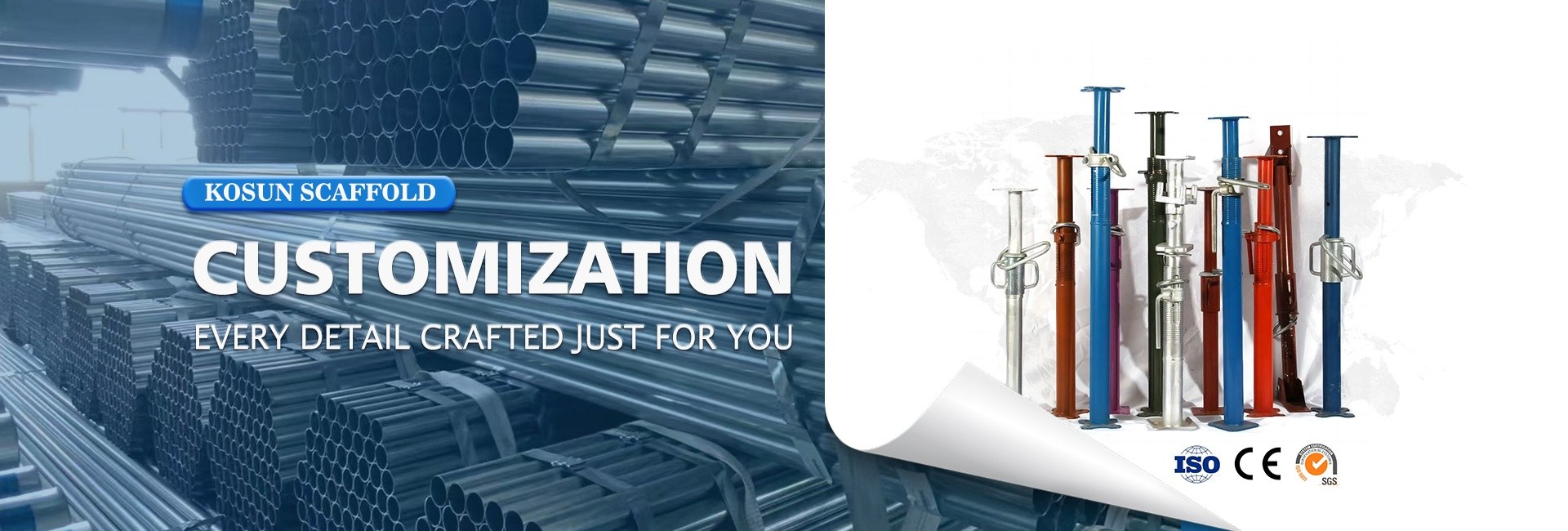
Your last tripod wobbled like jelly, your prop crashed mid-shot, and now you eye every stand like it’s out to ruin your photoshoot—welcome to the confusing, slightly hilarious world of prop tripod shopping.
This 2026 Prop Tripod Buying Guide breaks down stability, height, and weight limits in plain language, so you can choose the right model with confidence, backed by real testing data from the Consumer Reports lab.
📸 Key Prop Tripod Types and Which Users They Suit Best
In 2026, prop tripods support faster, safer formwork and scaffolding. Choose a model that matches your site size, slab height, and budget.
Below are the main tripod types, who they suit, and how they help you keep props stable on real jobs.
1. Fixed-Height Steel Prop Tripod
Best for repeat tasks where slab heights rarely change, such as mass housing or warehouses. It offers simple setup and strong lateral support.
- Ideal users: contractors with standard floor heights
- Pros: quick layout, fewer moving parts, low training need
- Watch for: uneven ground, which may need packing or leveling
2. Adjustable Prop Tripod for Variable Heights
This design fits mixed projects with changing levels, ramps, or beams. It allows you to fine-tune prop angle and spread on site.
- Ideal users: general builders, rental fleets
- Pros: flexible reach, better fit in tight zones
- Watch for: regular checks on pins and collars
3. Heavy-Duty Scaffolding Steel Prop Tripod
Use a heavy-duty Scaffolding Steel Prop Tripod when loads are higher, such as thick slabs, transfer beams, or bridge decks.
- Ideal users: civil works, industrial plants
- Pros: higher capacity, increased safety margin
- Watch for: strict inspection and bracing plans
4. Formwork Prop Tripod for Fast Cycling
A dedicated Formwork Prop Tripod supports rapid deck turnover on high-rise jobs, with smooth clamping to speed daily set-up and strike.
| User Type | Key Benefit |
|---|---|
| Formwork crews | Fast erection and removal |
| Rental companies | High utilization, easy training |
🎯 Essential Height, Load Capacity, and Stability Factors for 2026
Height, load, and stability stay central to safe prop tripod selection. In 2026, codes push for clearer markings and tested performance in real job conditions.
Use the following checks to match tripod rating with your prop layout and slab design.
1. Working Height Range
Confirm the minimum and maximum supported height with the prop fully braced. Allow spare range for uneven floors and shoring adjustments.
- Measure clear floor-to-slab height
- Add tolerance for decking and packing
- Avoid working at the very top extension
2. Load Capacity and Safety Margin
Always match tripod capacity to the prop load, including concrete, formwork, live load, and impact from pouring or vibration machines.
| Tripod Class | Typical Prop Load (kN) | Suggested Use |
|---|---|---|
| Light | 10–20 | Small slabs, minor repairs |
| Standard | 20–30 | Typical building floors |
| Heavy | 30–50 | Beams, bridges, transfer slabs |
3. Ground Contact and Anti-Slip Design
Stable base plates, anti-slip feet, and correct spacing reduce sway. On weak ground, spread the load with pads or suitable sole boards.
- Check feet for wear and sharp edges
- Use timber or steel pads on soft ground
- Keep the area clean from slurry and debris
4. Example Capacity Comparison (Bar Chart)
The chart below compares typical safe working loads of three common tripod classes under standard test conditions.
🛠️ Materials, Leg Locks, and Head Styles That Affect Daily Use
Material grade, locking method, and head style shape how fast your crews work and how long the tripod lasts on site.
Focus on corrosion resistance, smooth locking, and a head plate that matches your props and formwork systems.
1. Steel Grades and Surface Treatment
Most tripods use structural steel, with galvanizing or powder-coating to resist rust and reduce cleaning time between projects.
- Hot-dip galvanizing for coastal or wet sites
- Powder coat for general building work
- Regular checks for dents and cracks
2. Leg Locks, Pins, and Collars
Reliable leg locks keep the tripod rigid during pours. Choose systems with clear locking feedback and strong pins that resist bending.
- Spring pins for fast, single-operator work
- Safety clips to avoid accidental release
- Grease moving parts as per manual
3. Head Plates and Connection to Props
Head design should fit your preferred prop model and allow quick fixing, without wobble. Some heads include chains or clamps for safer handling.
| Head Type | Main Feature | Best For |
|---|---|---|
| Flat plate | Simple, wide contact | Standard steel props |
| Clamping head | Positive locking | High-rise floor cycles |
| Custom head | Matched to system formwork | Large contractors |
🌐 Indoor vs Outdoor Prop Setups and Matching the Right Tripod
Indoor and outdoor sites place very different demands on prop tripods, from weather and corrosion to ground quality and access limits.
Plan your tripod choice by the harshest conditions the system will face during the project.
1. Indoor Projects and Finished Floors
For malls, offices, or hospitals, choose tripods with smooth feet to protect finishes and compact designs to work around services.
- Use pads to avoid marking tiles
- Prefer powder-coated surfaces
- Focus on quiet, low-vibration work methods
2. Outdoor Jobs, Weather, and Wind
Outdoor projects need strong corrosion protection and careful bracing against wind and impact from moving equipment or site traffic.
- Galvanized steel for long life
- Extra ties in exposed zones
- Regular removal of mud and concrete
3. Matching Tripod to Prop and Formwork System
Always confirm the tripod is approved with your prop and slab formwork. Mixing unmatched brands can reduce rated capacity and safety.
| System | Recommended Tripod |
|---|---|
| Light deck panels | Standard adjustable tripod |
| Beam and slab | Heavy-duty tripod |
| High-rise cores | System-tested tripod set |
⭐ When Choosing a Tripod Model, Go Straight for Kosun
Kosun focuses on rugged, easy-to-use tripods that match modern formwork and scaffolding needs, backed by reliable testing and clear technical data.
Choosing a trusted brand helps you reduce risk, speed setup, and plan safer, more efficient pours in 2026 and beyond.
1. Complete Range for Different Loads
Kosun offers light, standard, and heavy-duty options, including the versatile Steel Prop Tripod for formwork and scaffolding tasks.
- Supports typical building floors
- Handles heavier civil and industrial work
- Compatible with common prop sizes
2. Tested Quality and Clear Markings
Each Kosun tripod follows strict testing, with visible markings for capacity and use limits, helping crews make safer choices on site.
- Clear ID and load labels
- Easy inspection points
- Documents ready for safety audits
3. Support, Spares, and Long-Term Value
Kosun backs its tripod line with technical support, spare parts, and guidance on layout, helping you extend service life and cut downtime.
| Benefit | How It Helps |
|---|---|
| Spare parts | Fast repair and less waste |
| Tech advice | Better layouts and safer work |
| Stable supply | On-time site schedules |
Conclusion
A well-chosen prop tripod boosts safety, speed, and quality on every slab pour. Focus on type, capacity, stability, and material to match your project.
By working with proven suppliers such as Kosun and using tested systems, your crews can build faster while keeping risk under control in 2026.
Frequently Asked Questions about prop tripod
1. How do I size a prop tripod for my project?
Measure floor-to-slab height, check slab and beam loads, then choose a tripod whose tested capacity and height range exceed those values with a safe margin.
2. Can I mix different tripod brands with my props?
It is safer to use tested combinations from one system supplier. Mixed brands may not share the same ratings, which can reduce overall stability and capacity.
3. How often should I inspect prop tripods?
Inspect before each use and after major pours. Look for bent legs, cracked welds, worn locks, corrosion, and missing pins, then tag and remove damaged units.
4. Are galvanized tripods worth the extra cost?
On outdoor or long-term jobs, galvanized tripods usually pay back through longer life, lower maintenance, and better performance in wet or aggressive conditions.
5. What makes Kosun tripods suitable for rental fleets?
Kosun designs for durability, easy cleaning, and fast setup. Clear markings and robust locks help rental users work safely with minimal training time.
Post time: 2026-02-04 14:05:02